Over 70% of Young Nigerians Lack Accurate HIV Prevention Information — NACA
The National Agency for the Control of AIDS (NACA) has raised concerns over widespread knowledge gaps on HIV prevention among young Nigerians, saying fewer than 30 per cent have accurate information about how to prevent the virus.
The agency said the situation leaves more than 70 per cent of young Nigerians vulnerable to misinformation and potentially risky behaviours that could increase their exposure to HIV infection.
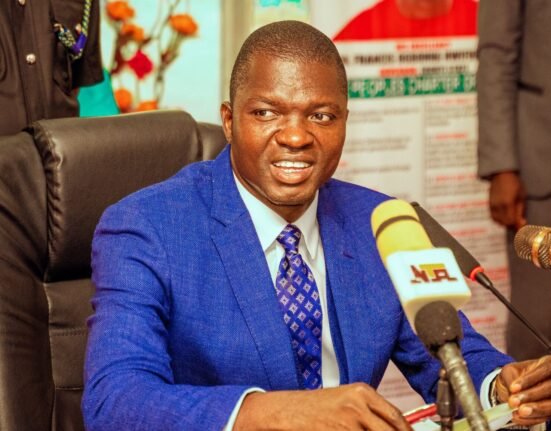
NACA Director-General, Dr Temitope Ilori, disclosed this in Lagos on Thursday during a two-day training organised for journalists and social media influencers on HIV Pre-Exposure Prophylaxis (PrEP).
The training, organised by NACA in collaboration with the World Health Organisation (WHO), brought together more than 30 media professionals and partners to strengthen their capacity to provide accurate, accessible and evidence-based information on PrEP and other HIV prevention services.
Ilori urged media professionals to use their platforms to counter misinformation, reduce stigma and discrimination, and improve public understanding of HIV testing, treatment, prevention and available services, particularly among young people.
She said effective HIV prevention required more than making commodities and medicines available, stressing that people must also have accurate information to make informed decisions about accessing and using prevention services.
“Unfortunately, from studies we carried out by the Federal Ministry of Health in collaboration with NACA, we realised that less than 30 per cent of our young population have the right information regarding HIV. We need to correct the misinformation; young people are vulnerable to HIV,” Ilori said.
She said Nigeria’s HIV prevalence among the general population currently stood at about 1.3 per cent, noting that more than 98 per cent of Nigerians are HIV-negative.
The NACA chief therefore called on the media to help sustain the low prevalence rate by providing accurate information about emerging HIV prevention and treatment options while challenging myths and misconceptions surrounding the disease.
Ilori described PrEP as a highly effective HIV prevention option for people who are HIV-negative and seeking to remain HIV-negative.
According to her, PrEP is not a vaccine or HIV treatment but a preventive medication that can reduce the risk of HIV acquisition by almost 99 per cent when used correctly.
She explained that PrEP is available in different forms, including daily oral medication and injectable options, adding that long-acting injectable lenacapavir, administered once every six months, represents a significant development in HIV prevention.
The Federal Government introduced lenacapavir in March 2026 as a new long-acting injectable HIV prevention medicine, marking a further step in efforts to reduce new infections and advance the country’s HIV response.
Ilori, however, emphasised that PrEP is only one component of HIV prevention, alongside other measures such as condoms and vaginal rings.
She said the effectiveness of Nigeria’s HIV response would depend not only on the availability of prevention commodities but also on public awareness, correct understanding, accessibility and willingness to use available services.
“We need the media to play a critical role in information dissemination on HIV prevention, especially reaching young people with the correct information on how to access and use PrEP in a way that is relatable to them and in a way that they can understand the message and make informed choices,” she said.
The NACA DG also urged journalists and influencers to avoid fear-based messaging, stressing that HIV communication should encourage testing, early access to services, treatment adherence and prevention while combating stigma and discrimination.
Speaking on the science behind PrEP, the WHO Country Office in Nigeria’s Technical Officer for HIV, Viral Hepatitis and STI, Dr Oluwafunke Odunlade, explained that PrEP works by preventing HIV from establishing an infection in the body.
She said when a person takes PrEP correctly, the medication prevents the virus from replicating and establishing itself if HIV enters the body, thereby providing a high level of protection against infection.
Odunlade urged media professionals to use their agenda-setting role to keep HIV prevention and PrEP in public discourse, dispel myths and promote evidence-based information on HIV and other diseases associated with stigma.
Also speaking, the Director of Health and Social Care at the National Orientation Agency, Abuja, Dr Ayola Olufemi, described the training as critical to equipping media professionals with accurate information to improve public understanding and encourage behavioural change.
Olufemi said the media remained a major stakeholder and a cornerstone of public health communication, adding that accurate reporting was essential to correcting misconceptions about PrEP and improving public acceptance of HIV prevention services.
The training is expected to strengthen the capacity of media professionals to communicate HIV prevention messages effectively, increase awareness, promote informed decision-making, reduce stigma and discrimination, and ultimately encourage greater uptake of HIV prevention services among Nigerians, particularly young people.




Leave feedback about this