

By Comrade Dominic Ogakwu
Electricity has long been described as the engine of economic development. It powers industries, fuels innovation, strengthens healthcare systems, supports quality education and creates the conditions for sustainable economic growth.
For developing economies such as Nigeria, access to reliable electricity is more than a public utility, it is the foundation upon which industrialisation, job creation and national competitiveness are built.
Yet, for decades, Nigeria’s abundant energy resources have not translated into reliable electricity for its over 220 million citizens. Despite possessing one of Africa’s largest natural gas reserves, the country has continued to grapple with inadequate generation, weak transmission infrastructure, ageing distribution networks and chronic underinvestment across the power value chain.
The consequences have been profound. Manufacturers spend billions of naira annually on self-generation, small businesses struggle with high operating costs, investors remain cautious, while millions of households continue to endure unreliable electricity supply. The World Bank and other development institutions have consistently identified poor electricity supply as one of the most significant constraints to Nigeria’s economic competitiveness and industrialisation.
It was against this backdrop that the Federal Government conceived one of the country’s most ambitious infrastructure intervention programmes, the National Integrated Power Projects (NIPP). At the centre of that intervention is the Niger Delta Power Holding Company (NDPHC), an institution that has evolved from an emergency intervention vehicle into one of Nigeria’s most strategic power infrastructure companies.
Today, NDPHC stands as the largest government-owned electricity generation company in Nigeria, playing critical roles in power generation, transmission expansion and distribution infrastructure development. Beyond constructing power plants, the company has become a key driver of grid expansion, industrial electrification and support for Distribution Companies (DisCos), while increasingly positioning itself to contribute to Nigeria’s energy transition.
Since the appointment of the current Managing Director and Chief Executive Officer, Engr. Jennifer Adighije, in August 2024, the company has intensified efforts to revive stranded assets, improve operational efficiency, restore dormant generation capacity, strengthen commercial performance and accelerate completion of legacy projects. These reforms are gradually repositioning NDPHC as a cornerstone of Nigeria’s quest for reliable, affordable and sustainable electricity.
The Genesis of NDPHC: A Bold Response to Nigeria’s Power Crisis
The Niger Delta Power Holding Company Limited was incorporated under the Companies and Allied Matters Act as a special-purpose company jointly owned by the Federal Government, the 36 states and the Federal Capital Territory through the Federation.
Its creation was directly linked to the establishment of the National Integrated Power Projects in 2004 under the National Economic Council as an emergency intervention programme aimed at rapidly addressing Nigeria’s electricity infrastructure deficit. Unlike previous initiatives that focused primarily on power generation, the NIPP adopted an integrated approach, recognising that reliable electricity depends on simultaneous investments in generation, transmission and distribution.
The programme sought to unlock stranded gas resources in the Niger Delta, construct modern gas-fired power stations, expand transmission capacity, reinforce distribution infrastructure and improve nationwide access to electricity.
Over the years, the NIPP has grown into one of the largest publicly funded power infrastructure programmes on the African continent, representing billions of dollars in investments across the electricity value chain.
Beyond Generation: Understanding NDPHC’s Strategic Mandate
Although many Nigerians associate NDPHC primarily with power plants, its mandate is significantly broader.
The company is responsible for implementing the National Integrated Power Projects through investments that strengthen every major segment of Nigeria’s electricity value chain. Its responsibilities include electricity generation, construction of transmission substations and transmission lines, expansion of distribution infrastructure, support for Distribution Companies, rural electrification, industrial power supply, project management and infrastructure commercialisation.
The company’s intervention philosophy is simple but strategic: generating additional electricity without corresponding investments in transmission and distribution merely transfers bottlenecks from one segment of the value chain to another. Consequently, NDPHC’s investments have consistently targeted integrated solutions capable of delivering measurable improvements across the national electricity ecosystem.
The National Integrated Power Projects (NIPP): Nigeria’s Largest Electricity Intervention
The National Integrated Power Projects remain one of Nigeria’s most ambitious infrastructure programmes since independence.
Through the initiative, NDPHC has delivered multiple gas-fired power stations, dozens of transmission substations, thousands of kilometres of transmission and distribution lines, hundreds of injection substations, transformers, switchgear and associated electrical infrastructure nationwide.
These projects have significantly expanded Nigeria’s installed generation capacity while simultaneously improving the ability of the national grid to evacuate electricity and distribute it to homes, businesses and industries.
Although many projects experienced delays arising from funding constraints, contractual disputes, gas supply challenges and transmission limitations, the NIPP remains central to Nigeria’s long-term electricity development strategy.
Power Plants Fueling the National Grid
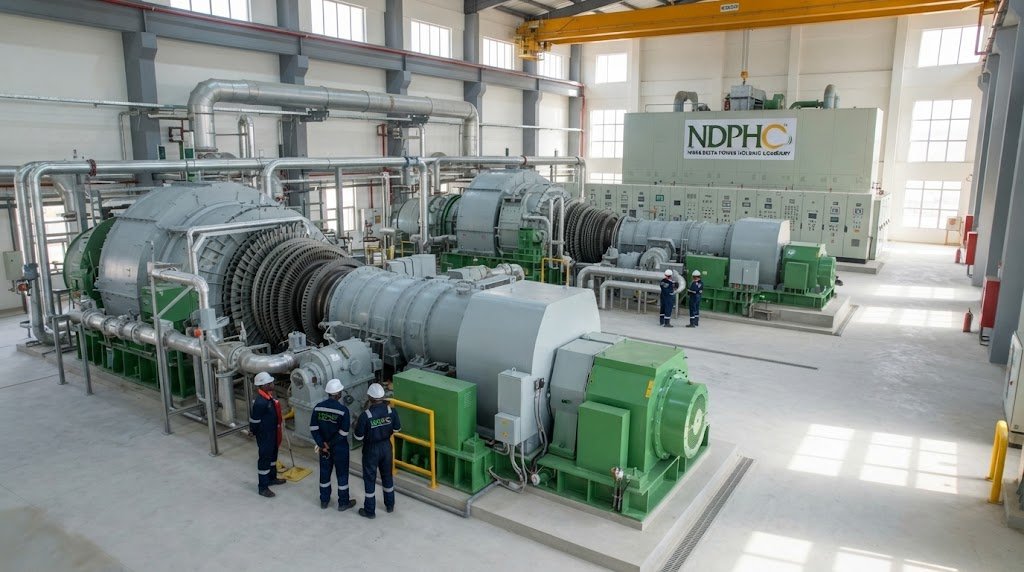
One of NDPHC’s most visible contributions is the development and operation of some of Nigeria’s largest gas-fired power stations under the NIPP.
These facilities are strategically located to utilise Nigeria’s abundant natural gas resources while supplying electricity to the national grid. These include:
Alaoji Power Plant, Abia State
Ihovbor Power Plant, Edo State
Omotosho Power Plant, Ondo State
Olorunsogo Power Plant, Ogun State
Geregu Power Plant, Kogi State
Calabar Power Plant, Cross River State
Gbarain Power Plant, Bayelsa State
Sapele Power Plant, Delta State
Omoku Power Plant, Rivers State
Egbema Power Plant, Imo State
Collectively, these facilities account for more than 4,000 megawatts of installed electricity generation capacity, making NDPHC the largest government-owned generation company in Nigeria.
However, industry analysts note that installed capacity does not always translate into available generation because of gas shortages, transmission constraints and market liquidity challenges that continue to affect the broader electricity sector.
Building the Backbone of the National Grid
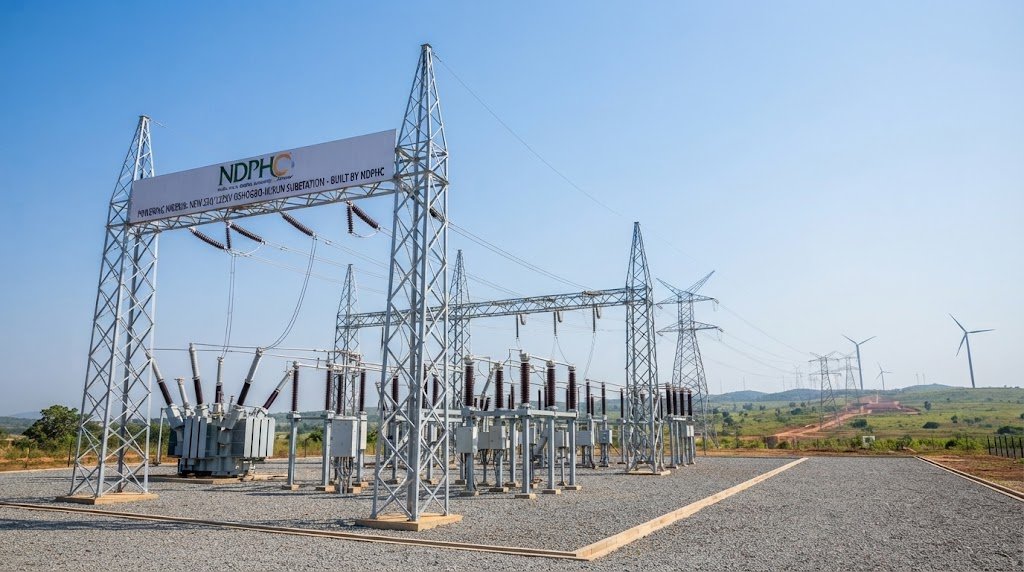
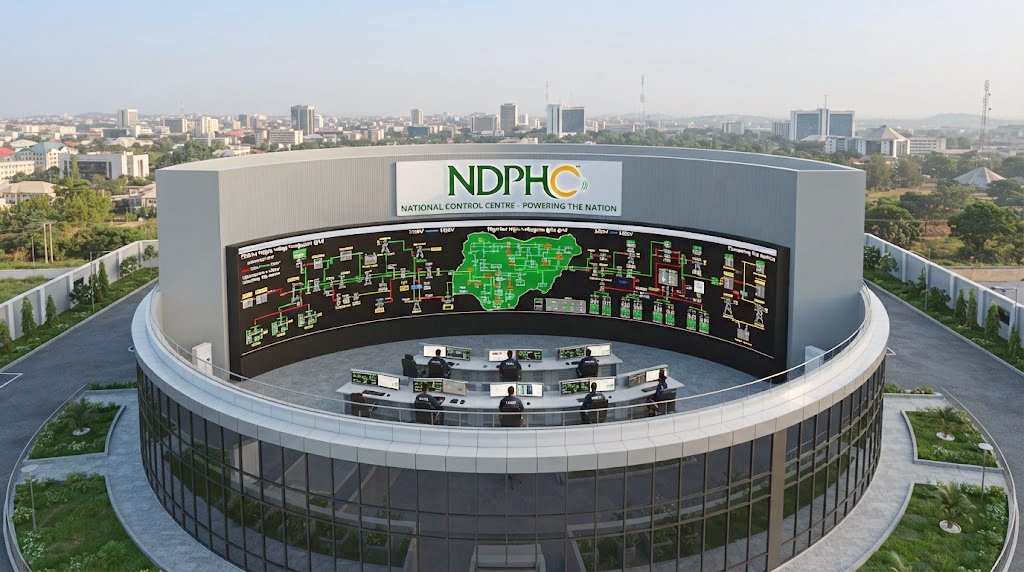
Reliable electricity depends not only on generation but equally on the ability of the transmission network to evacuate generated power.
Recognising this reality, NDPHC has invested extensively in constructing transmission substations, transmission lines and associated infrastructure across Nigeria.
These projects have strengthened grid stability, improved voltage profiles, increased evacuation capacity and enhanced electricity supply to previously underserved communities.
In 2025, the company announced plans for approximately ₦500 billion in transmission infrastructure investments aimed at addressing evacuation constraints and supporting future growth in electricity generation.
Such investments are expected to improve overall grid reliability while reducing transmission bottlenecks that have historically limited power delivery nationwide.
Supporting Distribution Companies
The final stage of electricity delivery is distribution—the point at which electricity reaches homes, offices, factories and commercial establishments.
It is also the segment of Nigeria’s electricity value chain that faces perhaps the greatest operational challenges.
Following the privatisation of the power sector, many Distribution Companies inherited ageing infrastructure characterised by overloaded transformers, obsolete switchgear, weak feeders and extensive technical losses. These deficiencies continue to affect service delivery and constrain the ability of DisCos to meet growing consumer demand.
To address these gaps, NDPHC has invested extensively in distribution infrastructure across the country.
Its interventions include the construction of injection substations, installation of distribution transformers, expansion of high- and low-voltage distribution lines, provision of feeder pillars and deployment of modern switchgear and related electrical equipment.
These projects have enabled Distribution Companies to improve network reliability, reduce technical losses, connect additional customers and enhance the overall quality of electricity supply.
Rather than duplicating the responsibilities of DisCos, NDPHC functions as a strategic infrastructure partner, providing critical assets that strengthen the last mile of electricity delivery.
The result has been improved network capacity in several parts of the country and greater opportunities for Distribution Companies to expand access to electricity.
Lighting Rural Communities and Industrial Hubs
Access to electricity remains one of the strongest indicators of socio-economic development.
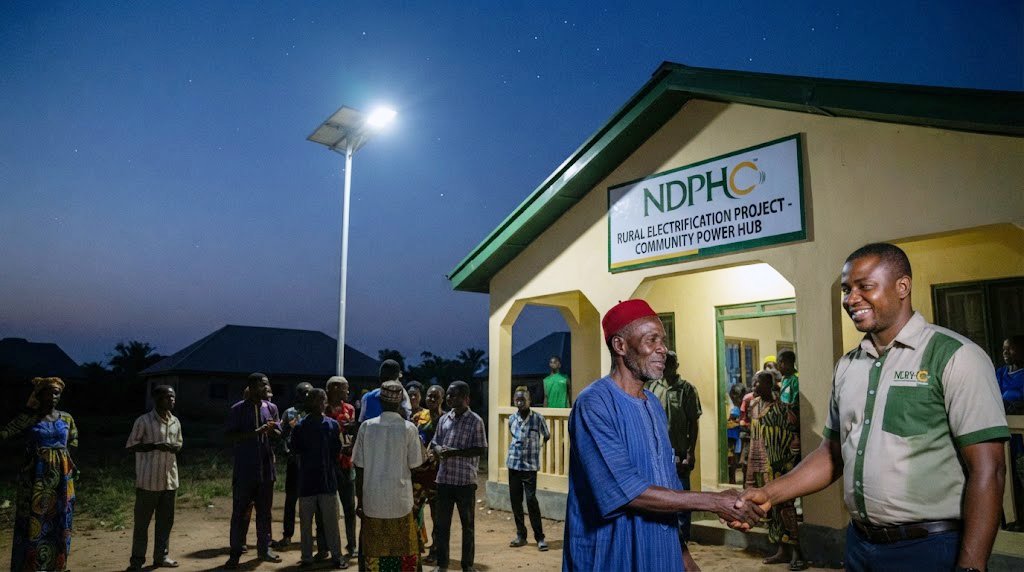
Consequently, NDPHC has increasingly aligned its investments toward rural electrification, industrial clusters, universities, healthcare facilities and productive economic zones.
One notable example is the commissioning of a 7.5MVA injection substation at Borno State University, which has significantly improved electricity supply to the institution and surrounding communities.
The company has also embraced renewable energy as part of Nigeria’s evolving energy mix. In collaboration with the National Agency for Science and Engineering Infrastructure (NASENI) and Haier Technologies, NDPHC signed a Joint Development Agreement for a 10MW solar power project in Kano’s Challawa Industrial Area under the “Light Up Nigeria” initiative.
The project is expected to provide cleaner and more reliable electricity for industries while supporting Nigeria’s broader energy transition agenda.
Challenges
Despite these measurable achievements, NDPHC continues to operate within a power sector constrained by longstanding structural challenges.
Perhaps the most significant is inadequate gas supply. As most NIPP power stations are gas-fired, disruptions in gas availability frequently reduce generation output. Transmission constraints remain another major obstacle. Even when sufficient electricity is generated, limited evacuation capacity often prevents full delivery to consumers.
Market liquidity also continues to undermine sector sustainability. Outstanding debts, delayed payments within the Nigerian Electricity Supply Industry and poor revenue collection reduce available resources for maintenance and future investments.
Electricity theft, vandalism of transmission infrastructure, obsolete distribution networks, inadequate metering and regulatory uncertainties further complicate operations. These challenges underscore the reality that solving Nigeria’s electricity crisis requires coordinated reforms across the entire value chain rather than isolated interventions.
The Road Ahead
Nigeria’s aspiration to become a $1 trillion economy will depend significantly on the availability of reliable electricity.
For NDPHC, the next phase of development will require accelerated completion of legacy National Integrated Power Projects, expansion of transmission infrastructure, deeper collaboration with Distribution Companies, greater private sector participation and improved commercial sustainability.
Equally important is the integration of renewable energy technologies alongside conventional gas-fired generation. Hybrid solutions combining gas, solar and battery storage could improve energy access for rural communities while reducing pressure on the national grid.
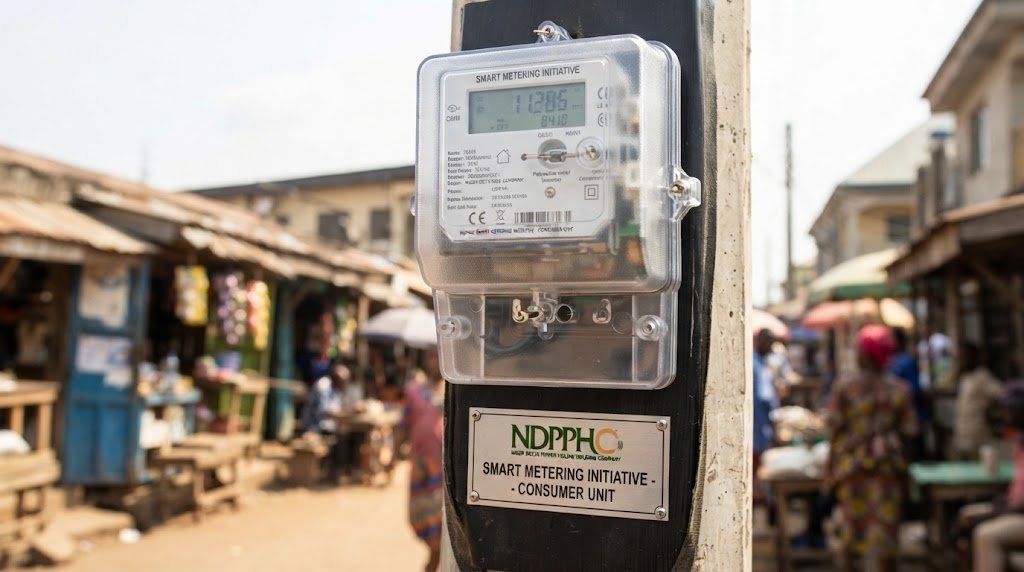
Digital technologies—including smart metering, automated grid management and real-time monitoring systems—will also become increasingly important in improving operational efficiency.
Furthermore, strengthening policy consistency, ensuring adequate gas supply, improving market liquidity and attracting long-term infrastructure financing will be critical to unlocking the full potential of Nigeria’s electricity sector.
Jennifer Adighije’s Reform Agenda: Restoring Confidence
Since assuming office as Managing Director and Chief Executive Officer, Engr. Jennifer Adighije has pursued an ambitious reform programme anchored on operational efficiency, asset optimisation, infrastructure completion, financial sustainability and strategic partnerships.
One of the administration’s earliest achievements was the restoration of two turbines at the Ihovbor Power Plant, returning approximately 230 megawatts of electricity to the national grid.
Another landmark achievement was the revival of the 450MW Alaoji Open Cycle Power Plant, which had remained largely inactive due to prolonged gas supply disputes and technical challenges. Following successful engagement with relevant stakeholders, restoration of gas supply and rehabilitation of critical equipment, three generating units capable of producing approximately 375MW were successfully returned to operation.
The administration also initiated the recovery of 110 abandoned containers and 216 packages of critical power equipment that had remained stranded at Nigerian ports for almost a decade because of contractual disagreements. Recovering these strategic assets is expected to accelerate the completion of several delayed electricity infrastructure projects across the country.
Beyond technical achievements, the management has also focused on strengthening commercial performance. NDPHC reported improvements in invoice settlement rates—from approximately 9 per cent to 38 per cent—reflecting enhanced revenue recovery and stronger financial discipline.
Industry observers consider these interventions significant because they demonstrate that existing electricity infrastructure can deliver greater value when properly managed, maintained and commercialised.
Conclusion: A Strategic Institution in Nigeria’s Development Journey
The Niger Delta Power Holding Company represents far more than a collection of power plants. It embodies one of Nigeria’s most ambitious attempts to overcome decades of electricity infrastructure deficits through integrated investments spanning generation, transmission and distribution.
Although significant challenges remain, the National Integrated Power Projects have expanded installed generation capacity, strengthened transmission networks, reinforced distribution infrastructure and improved electricity access for millions of Nigerians. Under the leadership of Engr. Jennifer Adighije, renewed emphasis on restoring stranded assets, improving operational efficiency, enhancing commercial performance, investing in grid expansion and embracing renewable energy has injected fresh momentum into the organisation’s mission.
Yet, the ultimate success of NDPHC will not be measured solely by megawatts generated or substations constructed. Its enduring legacy will depend on how effectively these investments translate into stable electricity for households, uninterrupted power for industries, lower production costs for businesses and improved quality of life for ordinary Nigerians.
As the nation pursues industrialisation, economic diversification and energy transition, NDPHC occupies a pivotal position in shaping Nigeria’s electricity future. With sustained investment, sound governance, stronger collaboration across the power value chain and unwavering commitment to reform, the company has the potential to transform the promise of the National Integrated Power Projects into a lasting foundation for national prosperity.
In the final analysis, powering Nigeria is not merely about producing more electricity, it is about empowering citizens, enabling businesses, attracting investment and building a resilient economy. The work of NDPHC demonstrates that while the journey towards reliable electricity is far from complete, meaningful progress is possible when strategic vision is matched by purposeful execution.


Leave feedback about this