…as CSOs Partner NNRA on Nuclear Energy Awareness Campaign
By Comrade Dominic Ogakwu
Nigeria’s quest for sustainable development and energy security extends beyond expanding electricity generation, it requires strong institutions, informed citizens and effective regulatory oversight. As the country explores the wider application of nuclear science and technology in healthcare, agriculture, industry, research and future energy generation, building public confidence has become just as important as developing the technology itself.
Therefore, it is against this backdrop that the Nigerian Nuclear Regulatory Authority (NNRA) convened a strategic interface with Civil Society Organizations (CSOs) in early May, creating a platform that highlighted the importance of dialogue, transparency and inclusive governance in shaping Nigeria’s nuclear future.
The one-day Sensitization Workshop and Strategic Interface, organised by the Integrity Advocacy for Development Initiative (IADI) in collaboration with the Civil Society Groups for Good Governance (CSGGG), with the support from NNRA was more than an awareness campaign. It was a deliberate effort to bridge the knowledge gap between Nigeria’s nuclear regulator and the wider public through civil society, the media and development stakeholders. Themed “X-Raying the Challenges, Achievements and Prospects of the NNRA in Solving Nigeria’s Energy Problems,” the event reflected a growing recognition that successful nuclear governance depends on openness, accountability and continuous stakeholder engagement.
Globally, nuclear technology has evolved far beyond electricity generation. Today, it plays a critical role in cancer diagnosis and treatment, food preservation, agricultural productivity, industrial quality control, environmental monitoring and scientific research. As Nigeria seeks to maximize these peaceful applications, the NNRA bears the critical responsibility of ensuring that all nuclear and radiation-related activities comply with international safety, security and environmental standards. This responsibility makes public understanding of the Authority’s mandate essential for national development.
One of the workshop’s greatest achievements was its ability to demystify nuclear technology. For many participants, the engagement provided their first comprehensive understanding of the NNRA’s statutory responsibilities, including radiation protection, nuclear safety, security regulation, licensing, inspection, compliance monitoring and emergency preparedness. Technical presentations and interactive discussions helped dispel widespread misconceptions that often associate anything nuclear solely with weapons or disasters, replacing fear with facts and promoting informed public discourse.
The strategic interface also reinforced the indispensable role of civil society in strengthening democratic governance. CSOs serve as bridges between government institutions and citizens, ensuring that public policies are understood, scrutinised and implemented transparently. By engaging civil society organisations directly, the NNRA demonstrated its willingness to embrace constructive criticism, encourage independent oversight and foster collaborative partnerships capable of enhancing regulatory effectiveness and public confidence.
Equally significant was the participation of media practitioners, whose role in shaping public perception cannot be overstated. Discussions highlighted the need for accurate, evidence-based reporting on nuclear issues to counter misinformation and sensationalism. Participants agreed that a well-informed media is essential to communicating complex scientific issues in simple language, thereby promoting responsible journalism and supporting nationwide public enlightenment.
The workshop also served as a platform for reviewing the progress made by the NNRA in strengthening Nigeria’s regulatory framework. Participants acknowledged the Authority’s commitment to transparency, compliance with international best practices and continuous improvement in nuclear safety governance. They equally recognised the importance of Nigeria maintaining a credible regulatory system as the country expands the peaceful use of nuclear science in line with global standards established by the International Atomic Energy Agency (IAEA).
However, the discussions revealed that significant work remains to be done. Participants identified low public awareness, persistent misconceptions about nuclear technology, limited stakeholder engagement and inadequate access to simplified educational materials as major obstacles to building nationwide confidence. The need to involve universities, youth organisations, professional bodies, traditional institutions and community-based organisations in future engagements also emerged as a key recommendation, reflecting the importance of reaching diverse segments of society.
Another notable outcome was the collective resolve to institutionalise regular engagement between the NNRA and non-state actors. Participants advocated annual stakeholder forums, regional sensitisation programmes across Nigeria’s six geopolitical zones, expanded media partnerships and community outreach initiatives capable of taking nuclear education to the grassroots. Such sustained engagement would not only strengthen transparency but also encourage citizens to become active participants in promoting nuclear safety and regulatory compliance.
Beyond strengthening relationships, the workshop generated valuable policy insights. Contributions from civil society leaders, policy experts and development advocates highlighted opportunities for improving regulatory communication, enhancing public participation in policy development and fostering stronger collaboration between government institutions, academia, professional associations and international development partners. These recommendations have the potential to enrich future policy reforms and strengthen Nigeria’s overall nuclear governance architecture.
Perhaps the most enduring legacy of the engagement lies in its demonstration that trust is built through dialogue rather than assumption. Regulatory institutions thrive when citizens understand their responsibilities, appreciate their safeguards and have opportunities to ask questions and offer constructive feedback. The NNRA’s openness to engagement therefore represents an important step towards building institutional credibility and promoting a culture of accountability.
As Nigeria continues its journey towards energy diversification, climate resilience and sustainable industrial development, effective nuclear regulation will become increasingly significant. Achieving these national aspirations requires more than technical expertise; it demands sustained public education, inclusive governance and enduring partnerships among regulators, civil society, the media, academia and development partners.
The Abuja strategic interface has therefore set an important precedent. It demonstrated that meaningful collaboration between government institutions and civil society is not merely desirable but essential for promoting transparency, enhancing public confidence and ensuring that the peaceful application of nuclear technology contributes safely and responsibly to Nigeria’s development. By institutionalising such engagements, Nigeria will be better positioned to build an informed society, strengthen regulatory excellence and unlock the full potential of nuclear science as a catalyst for sustainable national progress.
NNRA at the Centre of Nigeria’s Nuclear Future
Nigeria’s nuclear journey dates back to the early years after independence when the country began exploring the peaceful applications of atomic science to address developmental challenges. What started as scientific research has gradually evolved into a comprehensive national programme covering medicine, agriculture, industry, environmental protection and long-term energy planning.
The establishment of the Nigeria Atomic Energy Commission (NAEC) provided strategic direction for nuclear technology development, while the Nigerian Nuclear Regulatory Authority (NNRA) was created to serve as an independent regulator responsible for ensuring that every nuclear and radiation-related activity is conducted safely and securely.
The NNRA was established on 3 August 1995 under the Nuclear Safety and Radiation Protection Act and commenced full operations in May 2001. Since then, it has developed into one of Africa’s leading nuclear regulatory institutions, providing oversight for the peaceful use of ionising radiation while ensuring compliance with international safety and security obligations.
Today, Nigeria is not yet a nuclear electricity-producing nation. However, it already utilizes nuclear and radiation technologies extensively in cancer diagnosis and radiotherapy, industrial radiography, oil and gas exploration, agricultural research, food preservation, water resource management and scientific innovation. These applications demonstrate that nuclear science is already contributing significantly to national development beyond the electricity sector.
Mandate of the NNRA
The NNRA occupies a unique position within Nigeria’s governance architecture. Unlike institutions responsible for promoting nuclear technology, its primary responsibility is regulation.
The Authority’s primary responsibilities include:
Regulating all activities involving ionizing radiation and nuclear materials.
Registering and licensing facilities and organizations that use radioactive sources.
Conducting inspections to ensure compliance with nuclear safety and radiation protection standards.
Enforcing regulations on the safe handling, transportation, storage and disposal of radioactive materials.
Overseeing radioactive waste management
Protecting workers, patients, the public and the environment from the harmful effects of radiation.
Ensuring the security of radioactive sources and preventing their misuse.
Implementing Nigeria’s obligations under international nuclear safety, security and non-proliferation treaties, particularly in collaboration with the International Atomic Energy Agency, IAEA.
This regulatory independence is fundamental to building public confidence, particularly as Nigeria advances discussions on future nuclear power generation.
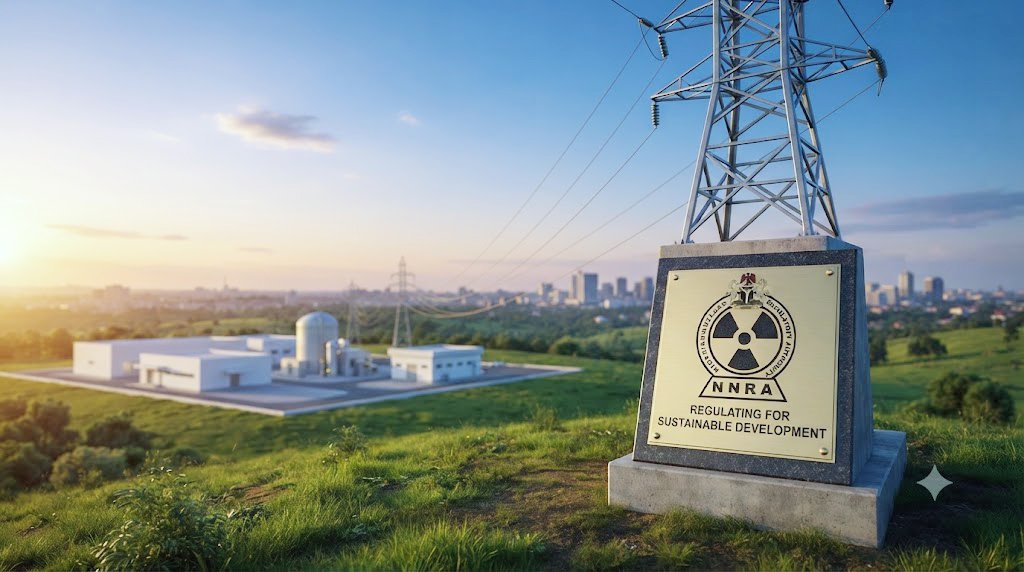
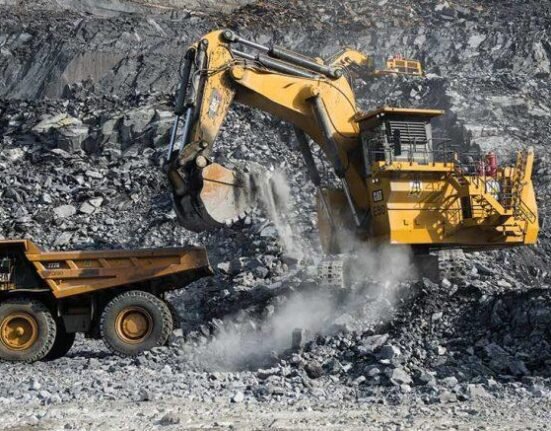
The NNRA regulates the use of radiation in sectors such as: Healthcare (radiotherapy, diagnostic radiology and nuclear medicine), Oil and gas, Mining and mineral exploration, Industrial radiography, Research institutions, Agriculture, Universities and other scientific establishments.
Meanwhile, modern nuclear governance is built on international cooperation, and Nigeria has steadily expanded its partnerships with leading global institutions.
The NNRA works closely with the International Atomic Energy Agency (IAEA), the global body responsible for promoting the safe, secure and peaceful use of nuclear technology. Through the IAEA, Nigeria benefits from technical cooperation, peer review missions, capacity development, emergency preparedness exercises and regulatory benchmarking.
Nigeria is also strengthening collaboration with the European Union through the Instrument for Nuclear Safety Cooperation (EU-INSC), which supports improvements in regulatory infrastructure, institutional capacity and preparation for international regulatory reviews.
In March 2026, Nigeria has strengthened its nuclear and radiation safety framework following the completion of a €1m technical cooperation project between the Nigerian Nuclear Regulatory Authority and the European Union aimed at preparing the country for the safe development of nuclear energy. The initiative had significantly strengthened Nigeria’s regulatory capacity and aligned the country’s nuclear safety frameworks with global standards. Additionally, the project represents a major step in Nigeria’s long-term strategy to develop a credible and resilient regulatory system capable of overseeing nuclear and radiation technologies safely.
The two-and-a-half-year initiative, valued at about €1m, was implemented through a consortium led by the Energy Conscious Organisation of Austria in partnership with several European nuclear regulatory bodies and technical experts. The NNRA further disclosed that the project supported Nigeria’s preparations for a follow-up Integrated Regulatory Review Service mission by the International Atomic Energy Agency scheduled for October 2026.
Beyond Europe, Nigeria participates actively in the Forum of Nuclear Regulatory Bodies in Africa (FNRBA), the African Commission on Nuclear Energy (AFCONE), and other continental initiatives aimed at strengthening Africa’s nuclear safety architecture. These partnerships position Nigeria not merely as a beneficiary of international cooperation but increasingly as a contributor to regional nuclear governance.
Although public attention often focuses on nuclear power plants, the NNRA’s daily operations extend across hundreds of facilities using radioactive materials throughout Nigeria.
Its regulatory oversight covers hospitals using radiotherapy and diagnostic imaging equipment; universities and research ingstitutions; industrial facilities employing radioactive sources for quality control; oil and gas companies using radiation technologies; customs and border security involving radioactive materials; and transportation and storage of radioactive substances.
Recent initiatives demonstrate the Authority’s growing scope. These include hosting IAEA expert missions on radioactive source safety and nuclear security, strengthening regulatory collaboration with the Nigerian Upstream Petroleum Regulatory Commission (NUPRC), participating in Nigeria’s Integrated Nuclear Infrastructure Review (INIR), and supporting anti-substance abuse awareness campaigns through its zonal offices.
The Authority is also modernising regulatory processes through digital licensing systems and enhanced compliance monitoring.
Breakthroughs and Institutional Successes
Over the last two decades, the NNRA has achieved several milestones that have strengthened Nigeria’s international reputation.
One notable success has been the continuous improvement of Nigeria’s regulatory framework in line with IAEA standards. This progress has attracted international recognition and technical support from development partners.
In 2026, Nigeria strengthened its legal framework following the approval of four new nuclear safety regulations covering nuclear power plant design and construction, transportation of radioactive materials, basic ionising radiation safety, and radioactive waste management. These regulations are designed to prepare Nigeria for eventual nuclear electricity generation while reinforcing safety across existing applications.
Nigeria has also successfully maintained regulatory oversight over its research reactor activities while strengthening safeguards and nuclear security measures in accordance with international obligations.
Equally significant is the growing confidence of international organisations in Nigeria’s regulatory competence, reflected in continued IAEA review missions, EU-supported programmes and expanded technical cooperation.
Current Trends: Nuclear Energy and Sustainable Development
Globally, nuclear energy has returned to the centre of climate and development discussions.
Many countries now view nuclear power as an important complement to renewable energy because it provides reliable low-carbon electricity capable of supporting industrialisation while reducing greenhouse gas emissions.
Beyond electricity generation, nuclear technologies are increasingly supporting food security through improved crop varieties, medical diagnosis and cancer treatment, water resource management, industrial productivity and environmental protection.
For Nigeria, these developments present significant opportunities. With increasing electricity demand, rapid urbanisation and commitments to climate resilience, experts increasingly advocate an energy mix that combines natural gas, renewable energy, improved electricity storage and, eventually, nuclear energy under robust regulatory oversight.
This evolving global consensus reinforces the strategic importance of institutions such as the NNRA in ensuring that any expansion of nuclear applications remains safe, secure and internationally compliant.
Despite remarkable progress, several challenges remain.
Public misconceptions about nuclear technology continue to limit acceptance. Some Nigerians still associate nuclear science exclusively with weapons or historical disasters, overlooking its widespread peaceful applications.
Other challenges include limited public awareness, shortage of specialised human resources, financing constraints, infrastructure deficits, evolving cybersecurity threats, radioactive waste management, emergency preparedness and the need for stronger coordination among institutions.
The expansion of stakeholder engagement beyond Abuja, increased collaboration with universities and research institutions, and sustained media education remain essential priorities.
The Way Forward
Nigeria’s nuclear future must be anchored on transparency, scientific integrity and inclusive governance to ensure the safe, secure and peaceful application of nuclear technology for national development. To achieve this, the Nigerian Nuclear Regulatory Authority (NNRA) should institutionalise nationwide stakeholder engagement forums, strengthen its public communication and risk-awareness strategies, deepen collaboration with civil society organisations, academic and research institutions, expand the digitisation of its regulatory processes, and sustain investment in the continuous professional development of its workforce. At the same time, the Federal Government should continue aligning the country’s nuclear infrastructure with the International Atomic Energy Agency (IAEA) milestones while safeguarding the operational independence of the regulatory authority to ensure effective oversight. Civil society organisations and the media also have a critical role in promoting evidence-based public education, countering misinformation and fostering informed public participation in discussions on nuclear policy and governance. Furthermore, development partners should continue supporting technology transfer, regulatory capacity strengthening, human capital development and international knowledge exchange to reinforce Nigeria’s commitment to global best practices in nuclear safety, security and sustainable development.
Conclusion
The strategic engagement between the NNRA and civil society marks an important milestone in Nigeria’s pursuit of responsible nuclear governance. As global attention shifts toward cleaner energy systems, climate resilience and technological innovation, nuclear science is increasingly recognised as a strategic enabler of sustainable development rather than merely an alternative source of electricity.
For Nigeria, the journey toward expanded nuclear applications must be anchored on robust regulation, public trust and international best practice. The NNRA has demonstrated that effective regulation is not only about licensing and enforcement but also about openness, accountability and continuous dialogue with citizens.
By sustaining partnerships with civil society, academia, the media, development partners and international organisations, Nigeria can build a nuclear governance system that safeguards public health, protects the environment, supports innovation and contributes meaningfully to the achievement of the Sustainable Development Goals. In this regard, the NNRA is not merely regulating nuclear technology—it is helping to shape a safer, more resilient and more sustainable future for Nigeria.



Leave feedback about this