

By Musa Audu Uba
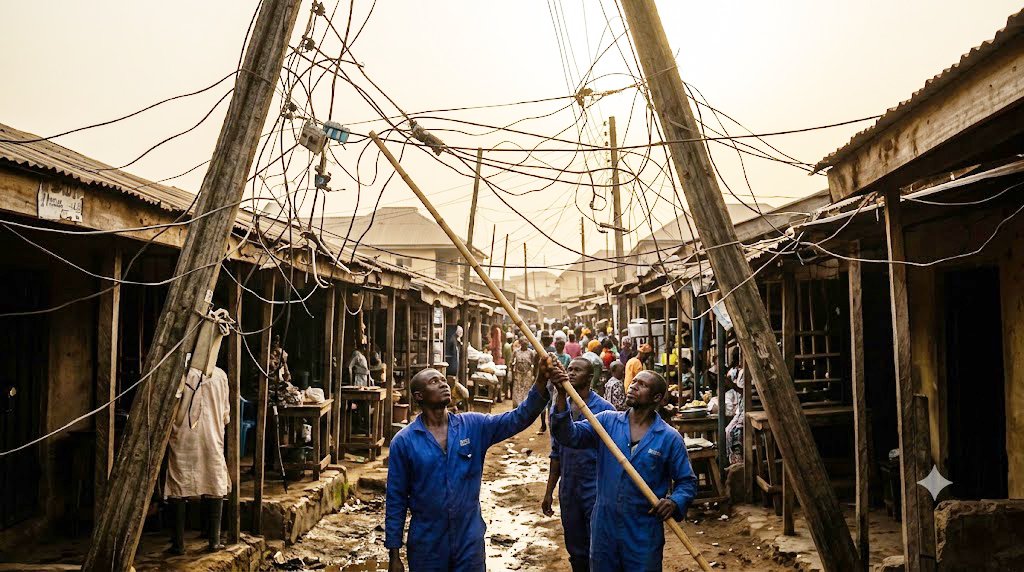
Nigeria’s electricity sector remains one of the most consequential tests of national development. For millions of households and businesses, access to reliable power is still uncertain, despite decades of reforms, policy initiatives, and institutional restructuring. The latest proposal to establish a Grid Asset Management Company (GAMCO) has therefore been greeted with cautious optimism by consumers who continue to endure more darkness than light.
The logic behind the proposal is compelling. Nigeria’s transmission network has long been recognised as the weakest link in the electricity value chain. Power is often generated but cannot be efficiently transmitted to homes, industries, and commercial centres because of ageing infrastructure and limited network capacity. A dedicated institution focused on modernising and managing transmission assets could help address one of the sector’s most persistent bottlenecks.
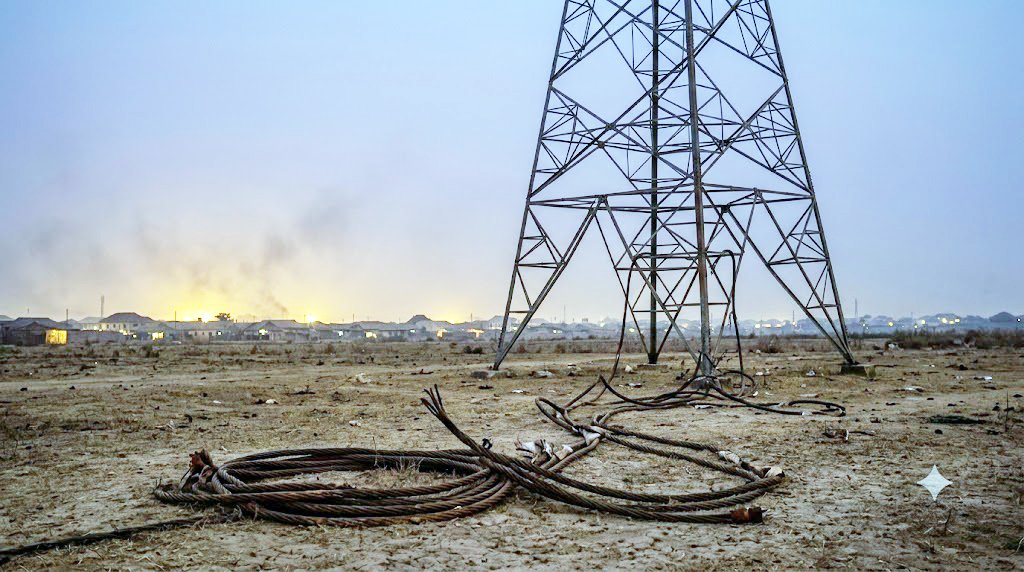
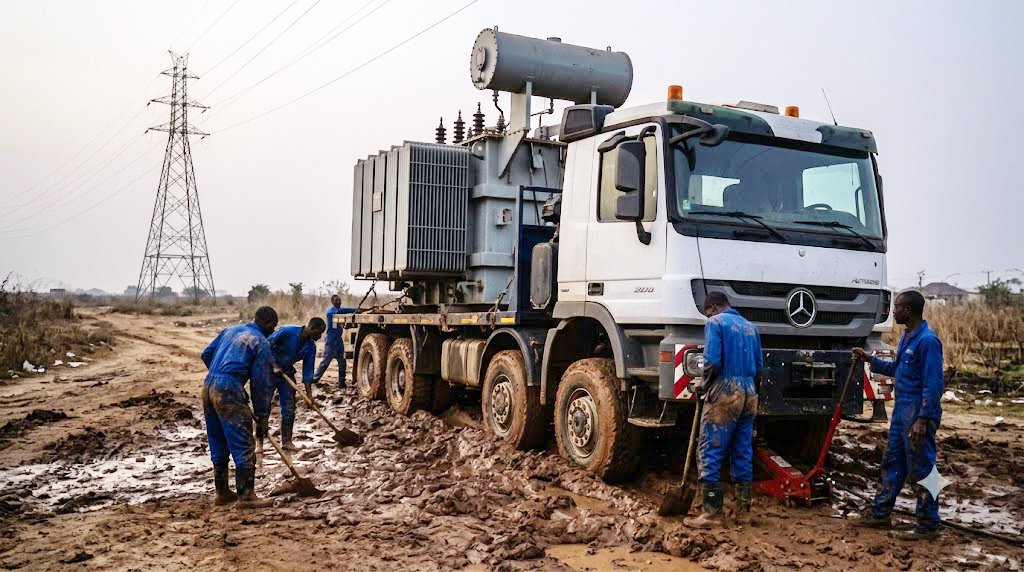
Yet Nigeria’s electricity challenge has never been defined by a shortage of ideas. Successive administrations have introduced ambitious reforms, restructuring programmes, and investment plans aimed at transforming the sector. The recurring difficulty has been implementation. Without transparent governance, regulatory certainty, operational independence, and protection from political interference, GAMCO could struggle to achieve outcomes different from previous initiatives.
More importantly, transmission represents only one component of a much larger ecosystem. Improving the grid alone will not resolve a crisis rooted in multiple structural constraints. Gas supply shortages, revenue collection challenges, tariff distortions, electricity theft, and inadequate investment continue to undermine the entire value chain. A durable solution requires coordinated action across generation, transmission, and distribution.
Few national challenges illustrate the gap between potential and performance as clearly as electricity. Nigeria possesses vast natural gas reserves, abundant renewable energy resources, and a growing pool of technical expertise. Yet stable and affordable electricity remains elusive. In an era driven by digital innovation, industrial automation, and knowledge-based economies, Africa’s largest economy still struggles to guarantee dependable power supply.
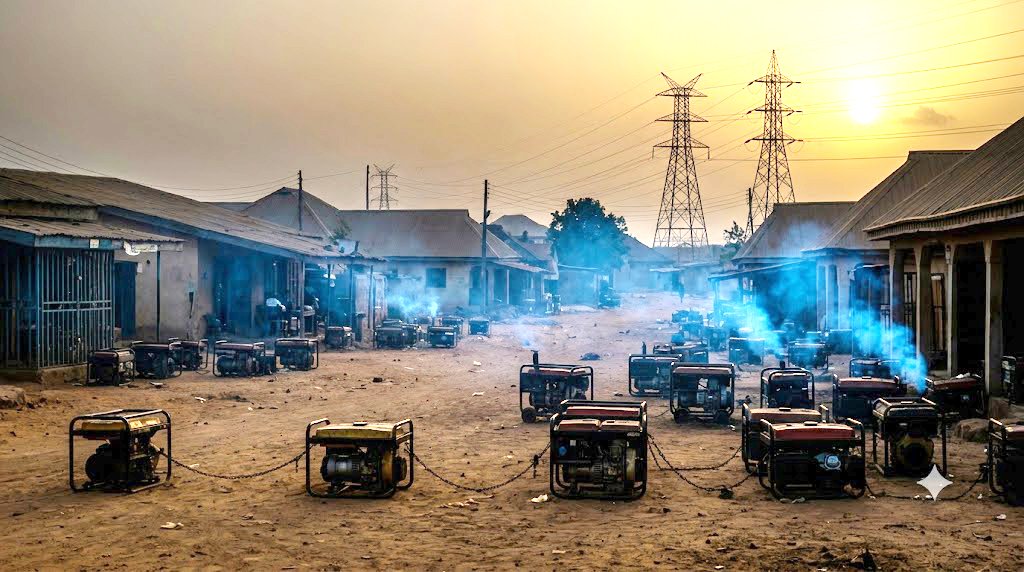
For many Nigerians, electricity has become less a public utility and more a daily uncertainty. Homes and businesses routinely prepare for outages. Generators, inverters, rechargeable lamps, and private solar systems have become essential coping mechanisms. What should be a universally accessible service has increasingly become an individual responsibility.
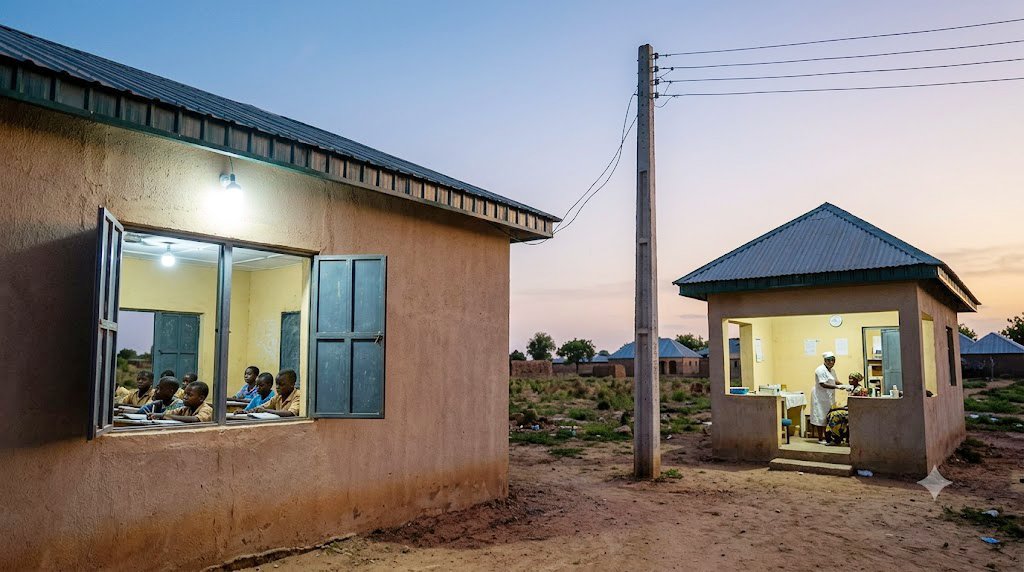
Recent developments highlight the scale of the challenge. Distribution companies have been forced to ration electricity due to constrained generation resulting from persistent gas shortages. While government initiatives, including rural solar electrification programmes, represent important steps toward expanding energy access, their impact remains modest when measured against a national deficit running into thousands of megawatts.
The consequences are visible across the economy. Small and medium-sized enterprises spend substantial portions of their operating costs on diesel and alternative power sources. Manufacturers face rising production expenses. Students struggle with disrupted study schedules, while healthcare facilities maintain costly backup systems to ensure uninterrupted services. Across the informal sector, artisans, traders, and service providers contend daily with power interruptions that reduce productivity and income.
At the centre of the crisis lies a persistent contradiction. Nigeria possesses some of the world’s largest natural gas reserves, yet many power plants operate below capacity because they cannot secure sufficient fuel. Global market incentives often make exports more attractive, while domestic pricing structures continue to create distortions. The result is a generation system that consistently underperforms relative to its potential.
The symbolism of recent developments has not been lost on observers. Reports that government institutions, including the Presidential Villa, have increasingly embraced alternative energy solutions underscore the reality that even the highest levels of government are not insulated from the consequences of unreliable electricity supply. While renewable energy adoption is commendable and necessary, it should complement rather than substitute a functional national grid.
The broader concern is the gradual normalisation of inadequate public infrastructure. Citizens and institutions have become remarkably resilient, adapting to challenges through private solutions. However, adaptation should not be mistaken for progress. Generators, inverters, and rooftop solar systems may provide relief, but they cannot replace a modern, efficient, and accessible electricity network capable of supporting national development.
The privatisation of the power sector in 2013 was intended to place Nigeria on a different trajectory. More than a decade later, results remain mixed. Distribution companies continue to face liquidity constraints, revenue losses, and infrastructure deficits. Generation companies grapple with fuel supply challenges, while transmission limitations constrain the delivery of available power. The sector remains caught in a cycle of underinvestment and underperformance.
Nevertheless, Nigeria’s electricity future is not predetermined. Numerous countries with fewer natural and financial resources have transformed their power sectors through policy consistency, disciplined regulation, strategic investment, and sustained political commitment. Nigeria possesses the necessary ingredients for success. What remains essential is the effective coordination of those resources toward clearly defined objectives.
The task before the administration is therefore not merely to introduce new institutions or announce fresh initiatives. It is to pursue comprehensive reform with persistence, discipline, and accountability. The electricity challenge requires long-term thinking, continuity of policy, and rigorous implementation across the entire value chain.
Reliable electricity is more than a utility; it is the foundation of economic competitiveness, industrial growth, technological advancement, and improved quality of life. Nigeria’s aspirations for development, diversification, and prosperity depend significantly on its ability to resolve this challenge.
The nation does not lack ideas. It does not lack resources. What is required now is the consistent execution of reforms capable of transforming potential into performance. Nigerians have demonstrated remarkable resilience in the face of persistent power shortages. They deserve a system that rewards that resilience with results—and a future illuminated by reliable, affordable, and sustainable electricity.


Leave feedback about this