

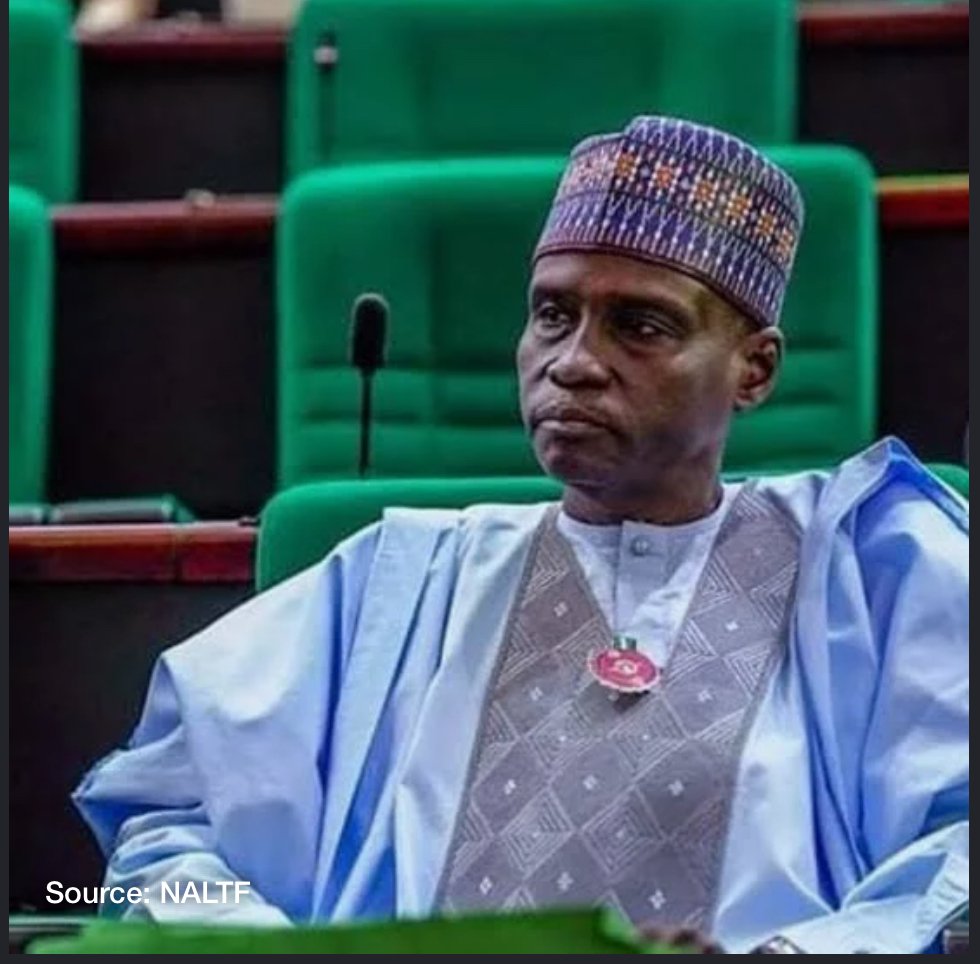
A member of the House of Representatives has criticized the poor implementation of government budgets, describing the continued failure to execute approved projects and programs as a serious offense that could attract constitutional consequences.
The lawmaker representing Borno North Senatorial District, Mohammed Tahir Monguno, has described the act as an ‘impeachable offense’, failure to implement the capital budget.
The lawmaker, who expressed concern over the level of budget performance, said inadequate implementation of appropriations approved by the National Assembly undermines development efforts and denies Nigerians the expected benefits of public spending.
He said, “Where are these revenues going to if the 2025 budget has not been implemented, and we have to roll over 70% of 2025 to 2026 with the promise that 30% will be implemented before March? Up to March, even 30% was not implemented.
“The National Assembly has to extend the lifespan of the budget up to September to allow government to implement just 30% component of 2025 budget.
“The issue of 2026 had not even arisen at all. So, don’t you think this is contradictory? Or where are these revenues going, to the extent that the budget is not being implemented?
“If the budget is not being implemented, what is the function of government? For example, security of lives and property of the people is the primacy of governance.
“All the security agencies that we have been interacting with, are reporting to us that they have received zero allocation in terms of their capital. Where are these allocated funds going to?
“This is my question. Why is budget not implemented? Because it is a breach of the law, and it’s an impeachable offense.”
He argued that the legislature must ensure accountability in the management of public funds, stressing that the executive arm of government has a responsibility to faithfully implement budgets passed into law.
The lawmaker warned that persistent disregard for budgetary provisions could amount to an impeachable offence, urging relevant authorities to address the challenges affecting effective implementation and ensure greater transparency in the use of public resources.


Leave feedback about this