

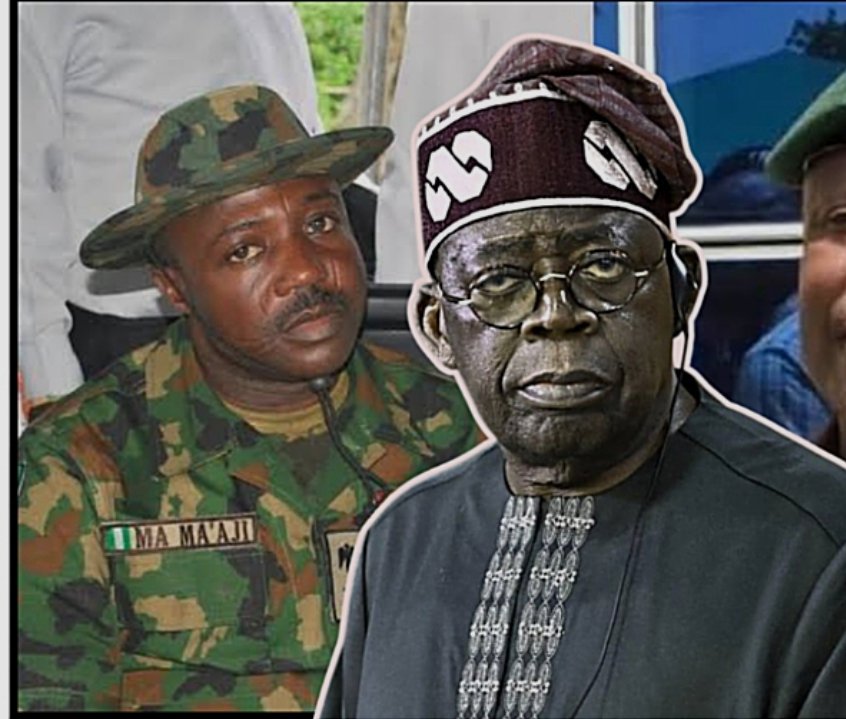
Nigerian Army Colonel Mohammed Ma’aji has explained the grievances he said drove discussions among a group of military officers about the possibility of military intervention in Nigeria, citing insecurity, corruption, economic hardship and concerns over governance.
Ma’aji said the discussions started in 2023, towards the final period of former President Muhammadu Buhari’s administration, when he alleged that conditions in the country had significantly deteriorated.
“Things particularly got out of control towards the end of Buhari’s administration when corruption and nepotism became the order of the day,” he stated.
According to Ma’aji, the deteriorating security situation was another major concern, particularly what he described as the failure of senior military authorities to respond adequately to the challenges facing the country.
He said officers who shared similar concerns were subsequently identified and brought into the discussions.
“Most of the officers involved share the same sense of patriotism, love of country and genuine desire for positive change,” he wrote.
The Colonel disclosed that the alleged plan did not immediately progress because the group faced challenges relating to funding, logistics and manpower. He claimed that he personally provided much of the initial financing for the project.
He further explained that one Army major contributed N1 million, while another officer allegedly provided dollars on several occasions.
Ma’aji said the alleged movement was later revived after he failed for the second time to secure promotion to Brigadier General in 2024. However, he stressed that the unsuccessful promotion was not the principal reason behind the alleged movement.
Beyond his concerns within the military, Ma’aji listed several government policies and national issues that he said contributed to the grievances, including the removal of fuel subsidy, exchange-rate reforms, taxation, electricity tariffs, corruption and insecurity.
He also raised concerns over the government’s handling of major protests, including #EndSARS and #EndBadGovernance.
According to him, the situation had contributed to growing frustration among young Nigerians, particularly amid unemployment and worsening economic hardship.
The account, as attributed to Ma’aji, therefore presents the alleged coup discussions as stemming from a combination of security, governance and economic grievances rather than being driven solely by his personal career setback.



Leave feedback about this