

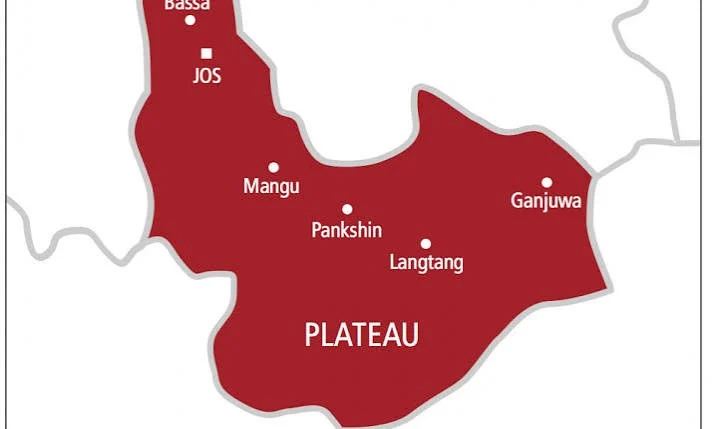
Reprisal: 23 Killed as Suspected Militias Attack Mangu Community in Plateau
At least 23 people, including women and children, have reportedly been killed in a suspected reprisal attack on Bin-Per community in Kombun District of Mangu Local Government Area of Plateau State.
The attack, which occurred in the early hours of Tuesday, August 18, 2026, was allegedly carried out by suspected Fulani militias who infiltrated the predominantly farming community through an isolated route from the neighbouring Bokkos axis.
The incident is believed to have been linked to an earlier attack on Fulani residents in Jwak Maitumbi, also in Mangu LGA, two days earlier.
The latest violence has further deepened concerns over the cycle of attacks, reprisals, displacement and destruction of livelihoods in parts of Plateau State.
A military security source told Zagazola Makama that troops of Sector 8, Operation Enduring Peace, responded to reports of the attack shortly after it occurred.
The troops conducted a sweep of the area upon arrival, but the attackers had reportedly fled the community.
Reinforcements, including personnel operating under Operation Rainbow, subsequently joined the response and conducted an assessment of the affected community.
The joint security team recovered 16 bodies, including those of women and children, from the scene.
The military said search and assessment operations were continuing to establish the circumstances surrounding the attack and determine the final casualty figure.
However, the councillor representing Kombun Ward, Hon. Lemun Le’an Iliya, and the Mwaghavul Youth Movement separately put the death toll at between 23 and 24.
The youth group said 24 people were killed in the attack.
The discrepancy in the casualty figures could be linked to ongoing efforts by residents to account for missing, injured or displaced persons following the attack.
Attack follows violence against Fulani residents
The Bin-Per attack occurred less than 48 hours after suspected assailants attacked an isolated Fulani settlement in Jwak Maitumbi, Mangu LGA.
The August 16 attack reportedly resulted in the deaths of several Fulani residents and the destruction of about 45 residential shelters.
The attackers were also accused of looting property and destroying crops belonging to residents.
Security sources said troops of Sector 8, Operation Enduring Peace, deployed from Sabon Gari to the area after receiving reports of the incident.
Upon arrival, the troops reportedly found extensive destruction, including the remains of residential shelters, while many residents had fled the community.
Women, children and elderly persons were among those reportedly displaced by the attack.
The assailants were also said to have entered farmlands belonging to Fulani residents and destroyed crops with cutlasses, further worsening the economic impact of the violence.
Following the incident, troops reportedly summoned the Galadima and youth leader of Jwak Maitumbi and directed them to cooperate with security agencies in identifying those responsible.
Rising cycle of reprisal attacks
The two incidents have raised concerns over a rapidly escalating cycle of retaliatory violence between communities in Mangu and neighbouring areas.
The short interval between the attacks, their geographical proximity and the identities of the communities involved have heightened concerns that the Bin-Per assault may have been carried out as retaliation for the Jwak Maitumbi attack.
Security and community sources have warned that such a pattern could create a self-perpetuating cycle in which each attack becomes justification for another.
The Mwaghavul Youth Movement condemned the Bin-Per killings, putting the death toll at 24 and calling for an impartial investigation.
The group also accused authorities of failing to adequately protect vulnerable communities and urged security agencies to identify and prosecute those responsible.
It called for improved intelligence gathering, stronger deployment around vulnerable settlements and the establishment of effective rapid-response mechanisms.
Similarly, the member representing Mangu/Bokkos Federal Constituency, Hon. Chief Dr. Ishaya David Lalu, condemned the attack and called for urgent measures to prevent further killings.
Lalu described the reported deaths, particularly those involving women and children, as heartbreaking and unacceptable.
He urged security agencies to investigate the incident, apprehend those responsible and ensure that they face the law.
The lawmaker also appealed to residents to remain calm and vigilant while calling for stronger security measures and sustained engagement with vulnerable communities.
Security forces intensify operations
Following the attack, troops of Operation Enduring Peace, in collaboration with Operation Rainbow and local vigilante elements, have continued operations in Bin-Per and surrounding areas.
The security forces are conducting patrols and protective operations while working to establish the full circumstances of the attack and determine the final casualty figure.
Efforts are also being directed at preventing further attacks or retaliatory violence in neighbouring communities.
Security agencies are expected to maintain a stronger presence around vulnerable settlements and routes linking the Mangu and Bokkos axes, particularly isolated routes that could be exploited by armed groups to infiltrate communities.
Breaking the cycle
The latest violence underscores the need for a comprehensive security response that goes beyond deploying troops after attacks have occurred.
The August 16 attack on Fulani residents in Jwak Maitumbi and the subsequent attack on Bin-Per demonstrate how quickly violence can spread when grievances are left unresolved and perpetrators are not held accountable.
Security agencies must therefore investigate both incidents and establish whether there is a direct operational link between them.
Perpetrators of the Jwak Maitumbi attack must be held accountable, just as those responsible for the Bin-Per killings must face justice, irrespective of their ethnic or communal affiliations.
Failure to establish accountability could deepen perceptions of injustice and encourage affected communities to resort to self-help and retaliatory violence.
The immediate priority should be the protection of vulnerable communities, prevention of further reprisals, recovery and protection of displaced residents, and the prosecution of individuals responsible for the attacks.
The killings in Jwak Maitumbi cannot justify the attack on Bin-Per, just as the deaths in Bin-Per must not become a pretext for another attack elsewhere.
Without impartial justice, effective intelligence-led security operations and sustained engagement with traditional and community leaders, the cycle of violence risks producing more deaths, displacement and destruction across Plateau State.





Leave feedback about this