
By Cynthia Amadu
High blood pressure, also called hypertension, is a common disease that occurs when the pressure in your arteries is higher than it should be.
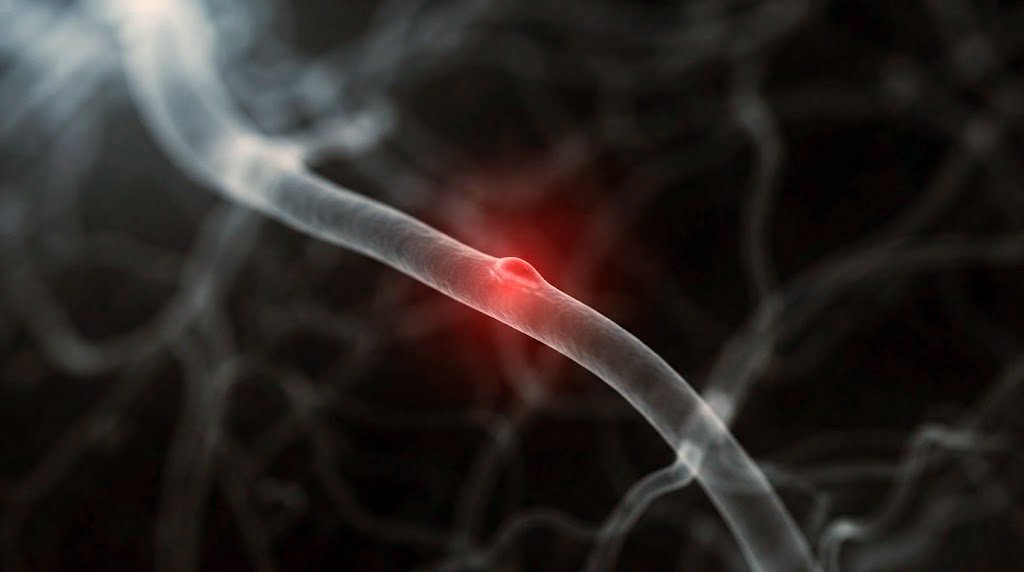
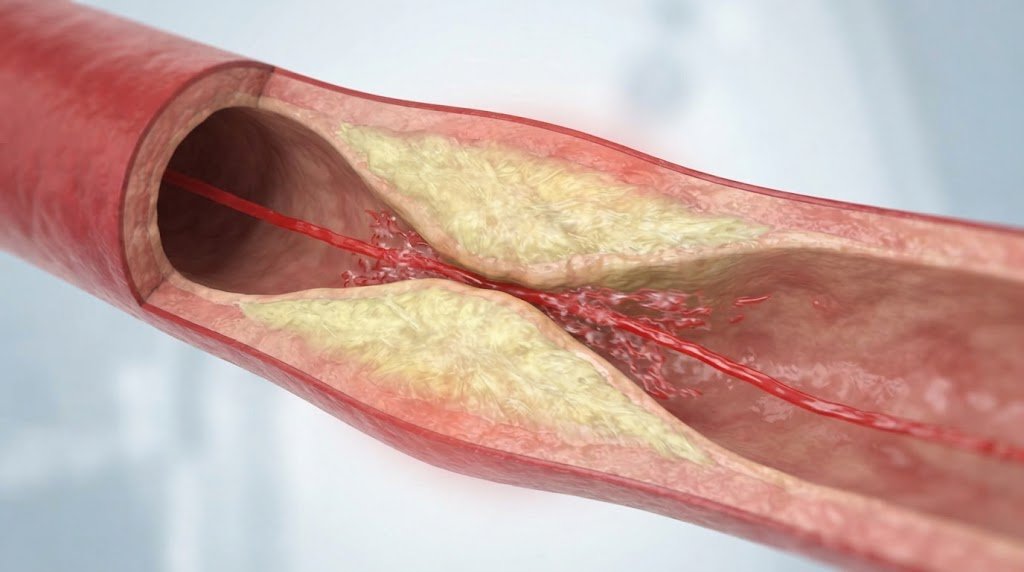
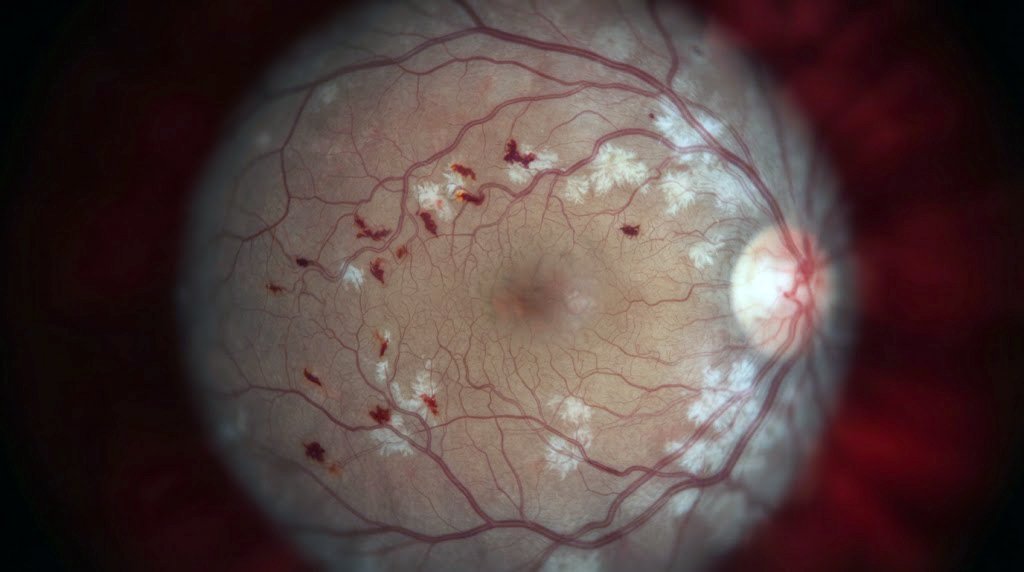
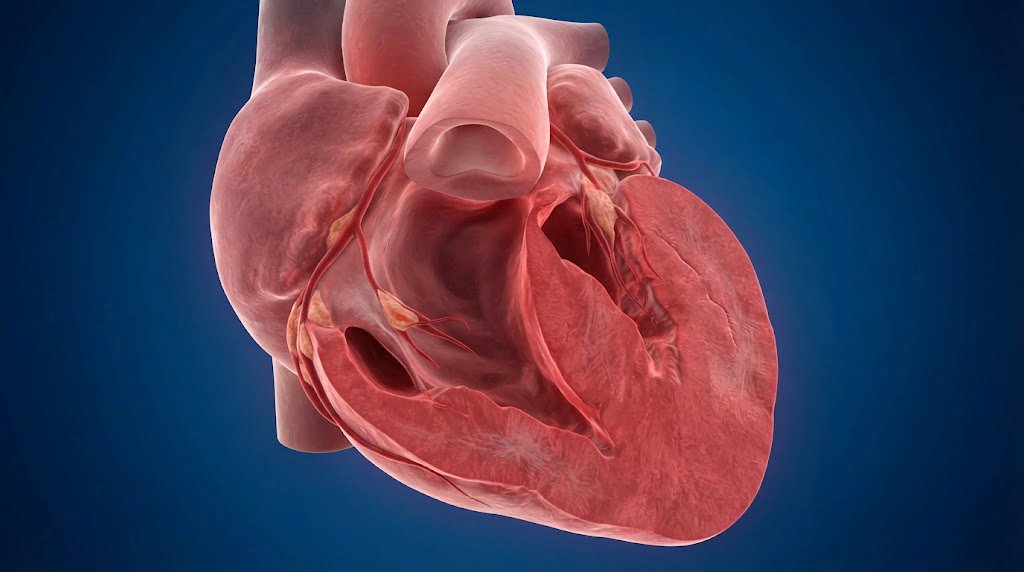
Blood pressure is the force of blood pushing against the walls of the arteries as the heart pumps blood throughout the body. If left untreated, high blood pressure can lead to health problems, such as heart disease, stroke, kidney failure, vision loss, etc.
Signs and Symptoms
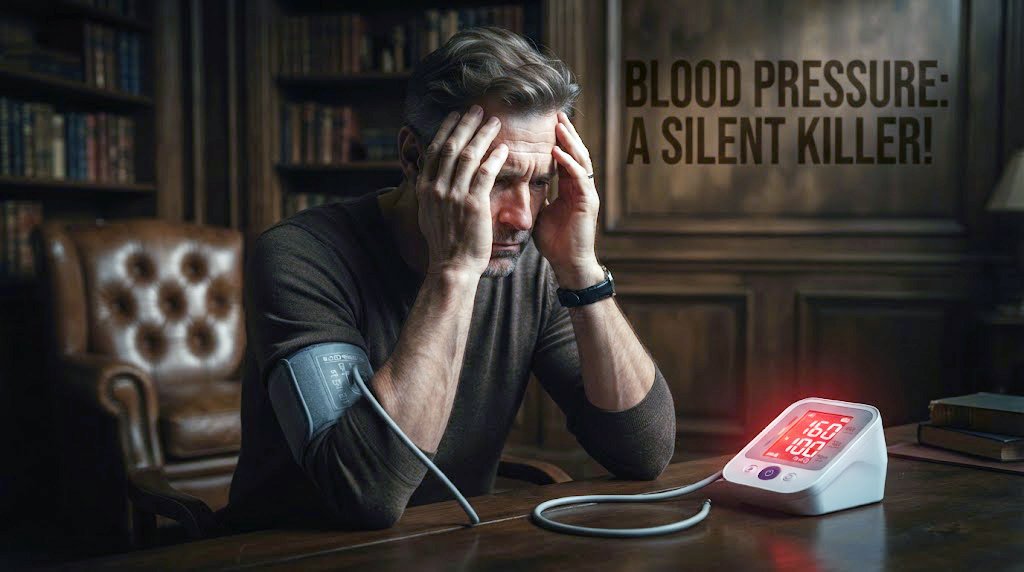
Most people with high blood pressure have no signs or symptoms of it. That’s why the condition has been dubbed a “silent killer.”
In rare cases, and if blood pressure reaches dangerous levels, a person may get headaches or more nosebleeds than normal, per the AHA.
Causes and Risk Factors
The following can increase the chances of developing high blood pressure in individuals.
Older Age: The risk of high blood pressure increases as you age; the older you are, the more likely you are to develop high blood pressure. According to the AHA, blood vessels gradually lose their elasticity over time, which can contribute to high blood pressure.
The risk of prehypertension and high blood pressure has been increasing in recent years in young people too, including children and teens, possibly because of the rise in obesity in these populations.
Family History: Having a family history of high blood pressure increases the risk, as the condition tends to run in families.
Obesity: Remember that the more you weigh, the more blood is needed to supply oxygen and nutrients to tissues. According to the Mayo Clinic, when the volume of blood pumping through blood vessels increases, the pressure on arteries walls also rises.
Sedentary Lifestyle: People who are not active tend to have a higher heart rate and higher blood pressure than those who are physically active, according to the Mayo Clinic. Not exercising also increases the risk of being overweight.
Tobacco: Smoking or chewing tobacco make blood pressure to rises temporarily, partly from the effects of nicotine. Moreover, chemicals in tobacco can damage the lining of your artery walls, which can cause the arteries to narrow, thereby increasing the blood pressure, according to the Mayo Clinic. Being exposed to secondhand smoke may also increase blood pressure.
Dietary: What you choose to eat (and not to eat) can increase your risk of hypertension. Too much sodium can cause your body to retain fluid, which increases blood pressure.
Since potassium helps balance the amount of sodium in the cells, not getting enough of it can raise blood pressure.
Alcohol Consumption: Over time, heavy alcohol use can damage the heart and lead to heart failure, stroke, and irregular heart rhythm.
Stress: Being under intense stress can lead to a temporary increase in blood pressure, according to the AHA. Moreover, if you try to cope with stress by overeating, using tobacco, or drinking alcohol, all of these can contribute to high blood pressure.
Pregnancy: Being pregnant can cause an increase in blood pressure. According to the CDC, high blood pressure occurs in 1 in every 12 to 17 pregnancies in women ages 20 to 44.
Diagnosis
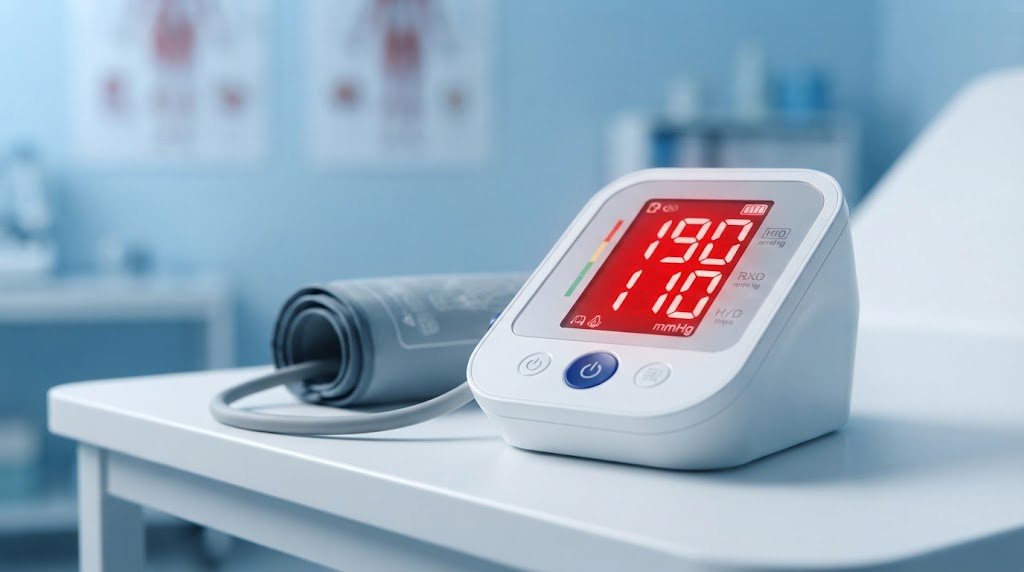
Blood pressure checks are part of routine doctor visits. To check your blood pressure, your healthcare provider will place an inflatable cuff around your arm and use a pressure-measuring gauge.
If the blood pressure is consistently 130/80 millimeters of mercury (mmHg) or higher, a person will most likely be diagnosed with high blood pressure.
In 2017, the AHA updated its definition of high blood pressure from the previous definition of 140/90 mmHg or higher. The guidelines recommend earlier intervention to prevent further increases in blood pressure that could lead to health problems.
Complications
According to the AHA, if left untreated, high blood pressure can lead to the following complications.
These are: Stroke, Heart attack, Heart failure, Kidney disease or failure, Peripheral artery disease, Vision loss and Sexual dysfunction among others.
Management and Control
Most people who have high blood pressure will likely need lifelong treatment to help ward off or delay serious health problems brought on by the condition.
Options to treat high blood pressure may include eating a healthy diet with less salt, taking medication, and incorporating additional lifestyle changes. These include exercise, limiting alcohol intake, smoking cessation, and managing stress.
Medications
There are a variety of drugs available to treat hypertension. Some work by removing extra fluid and salt from your body to lower blood pressure; others slow down your heartbeat or relax and widen blood vessels.
According to the Mayo Clinic, depending on the past medical history and the severity of hypertension, a doctor may recommend one or more of the following drugs:
Diuretics: Sometimes called water pills, diuretics are typically the first line of treatment for high blood pressure. This medication helps the kidneys rid sodium and water from the body, decreasing the amount of fluid flowing through the veins and arteries, which in turn lowers blood pressure.
Beta-Blockers:These medications reduce the workload of the heart and widen blood vessels. As a result, the heart beats slower and less forcefully. Beta blockers are often combined with other blood pressure medications.
Calcium Channel Blockers: This type of medication interrupts the movement of calcium into the cells of blood vessels, thus relaxing the muscle cells in the blood vessels.
Prevention
The best way to prevent high blood pressure is to lead a healthy lifestyle. According to MedlinePlus, that includes: Eating a healthy diet, maintaining a healthy weight, Exercising regularly, avoid smoking, limiting alcohol intake and reducing stress.