

Alleged Drug Trafficking: FBI Moves to Keep Tinubu-Linked Records Secret
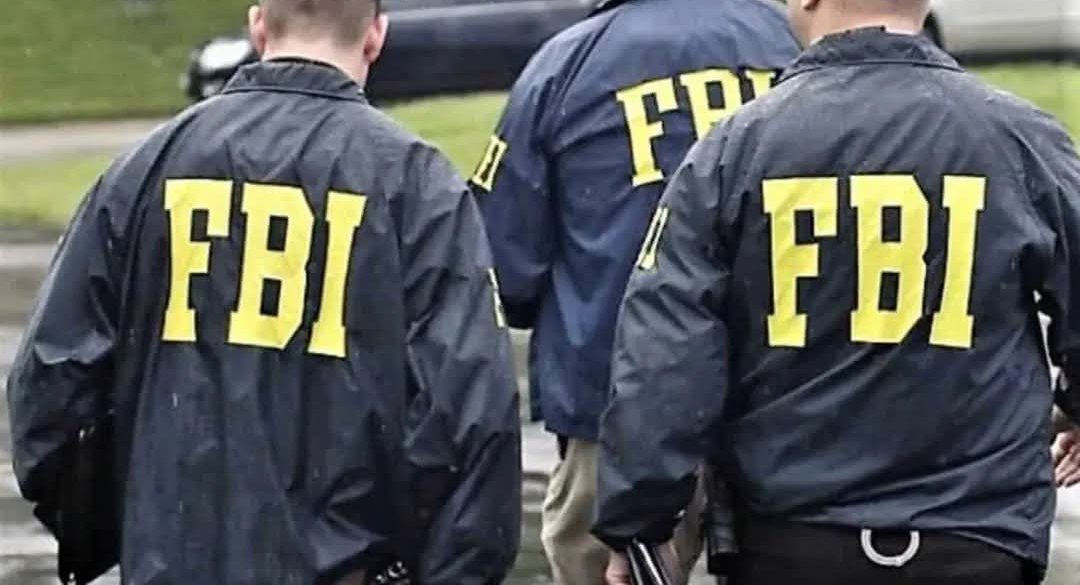
The United States Federal Bureau of Investigation has asked a federal court in Washington, D.C., for permission to withhold portions of records relating to an old investigation linked to President Bola Tinubu, citing concerns over sensitive law-enforcement techniques and the safety of individuals.
The request was contained in a motion filed on August 20, 2026, before the US District Court for the District of Columbia, in which the FBI asked to provide the judge with additional justification for withholding parts of the records privately.
The bureau wants to submit the explanation ex parte and in camera, meaning the sensitive material would be presented directly to the judge and considered outside the public court record.
The FBI argued that publicly disclosing the details of its justification could undermine the very protections it was seeking to invoke.
According to the agency, some of the withheld information could reveal investigative methods and techniques used by law-enforcement authorities, while other material could expose individuals to risks to their physical safety.
The development was publicised on X by Von Batten-Montague-York, a Washington-based lobbying firm recently retained by African Democratic Congress presidential candidate Atiku Abubakar.
The dispute arose from two Freedom of Information Act requests seeking FBI records associated with Tinubu.
One request sought the bureau’s complete file relating to the Nigerian president, while the second sought interview reports, known as Form 302s, connected to an FBI investigation conducted in 1992 and 1993.
The FBI said it had relied on several exemptions under the US Freedom of Information Act to withhold portions of the records. The exemptions cover areas including personal privacy, confidential sources, law-enforcement techniques and information whose disclosure could endanger individuals.
The agency specifically said its public filings were insufficient to fully explain its reliance on FOIA exemptions 7(E) and 7(F), which concern law-enforcement techniques and information that could reasonably be expected to endanger the life or physical safety of individuals.
It is therefore seeking permission to supplement its public submissions with a sealed declaration containing the fuller justification for its position.
If granted, the FBI said it would submit the confidential declaration by August 28.
The case was instituted by Aaron Greenspan, founder of PlainSite, who has pursued government records concerning a Chicago-based heroin trafficking investigation dating back to the early 1990s.
Between 2022 and 2023, Greenspan submitted 12 FOIA requests to six federal agencies seeking records involving four individuals, including Tinubu, Lee Andrew Edwards, Mueez Abegboyega Akande and Abiodun Agbele.
Several federal agencies initially declined to confirm or deny whether responsive records existed, a position commonly known in US FOIA litigation as a Glomar response.
Greenspan challenged the agencies’ decisions and subsequently instituted legal proceedings after the Justice Department’s Office of Information Policy upheld their positions.
In April 2025, US District Judge Beryl Howell ruled against the FBI and the Drug Enforcement Administration over their continued reliance on the Glomar response.
Howell found that the agencies had failed to establish a sufficient legal basis for concealing whether records concerning Tinubu existed.
The latest FBI filing is part of the continuing legal dispute over access to the records.
The US Department of Justice had previously requested a 10-day extension to respond to a court order, but Judge Howell granted only four additional days, setting August 21 as the deadline.
Tinubu’s legal representatives subsequently joined the Justice Department’s request for additional time, but the judge reportedly rejected the longer extension.
The FBI is now seeking to provide the court, under seal, with further reasons for withholding portions of the records, particularly material it says could reveal sensitive investigative practices or put individuals at risk.
The latest application does not, by itself, establish the contents of the withheld records or constitute a finding of wrongdoing against Tinubu. It concerns the FBI’s legal justification for withholding specific information under the applicable FOIA exemptions.





Leave feedback about this