

The Director of the Abuja School of Social and Political Thought, Dr Sam Amadi, on Wednesday said that the removal of fuel subsidy should not be the sole basis for determining which political candidate can manage Nigeria’s economy better in the 2027 election.
Amadi argued that while subsidy policy remains an important economic issue, Nigerians should assess candidates based on their broader economic plans and ability to deliver sustainable development.
He said the debate ahead of the 2027 election should go beyond whether a candidate supports or opposes subsidy removal, stressing the need to examine how each contender intends to address unemployment, inflation, infrastructure and the wider cost-of-living crisis.
The political analyst also questioned whether the additional revenue generated since the subsidy removal had translated sufficiently into improved living conditions and development for ordinary Nigerians.
Amadi maintained that Nigeria’s economic performance should ultimately be measured by its impact on citizens rather than by revenue figures alone.
However, featuring on Arise Television’s Morning Show, Amadi said: “The subsidy issue didn’t register in the last election, but this election is promising to be a major issue.
“The economics of it is debatable. People argue that subsidy is inefficient, but we know that subsidy takes a different form, as some could be good tools that the government uses to drive economic development but, in Nigeria’s context, may be inefficient or counterproductive.
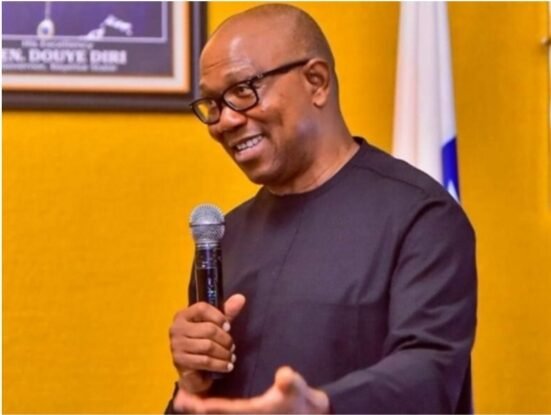
“So, all the candidates in the last election wanted subsidy removed, but they had different nuances. Atiku had a different nuance, Obi had a different nuance.
“But the key point here is that it’s politically a heartburn because if you look at the suffering, cost of living, and the general sentiment, it’s attractive for those who supported subsidy removal to turn back and now say otherwise.
“And, of course, in politics, you have to change your views, respond to constituencies, and look at the political map and decide where to pitch your camp.
“So, we have to admit that subsidy has not proven to be good; we have to admit that subsidy can be good, and it’s a fiscal tool that the government can use to boost production and consumption and have a good effect on the economy.
“We also have to admit that the manner in which the subsidy was removed was not properly thought out, and the complementary policies, including the devaluation of the currency, may have compounded the issue, but it will help the opposition depending on how it resonates.
“Nigerians will ask if the politicians have the capability to rein in corruption if you keep the subsidy or if you remove it.
“So, subsidy alone might not be the key to deciding who will better run the economy, but subsidy could prove to be important in messaging, and ultimately, it depends on how it’s messaged.
“If it’s messaged as part of the capability to control costs, improve policy, and enhance the welfare of citizens, it will help, but if it’s messaged as a mere policy tool, it might not bring much traction.”


Leave feedback about this