

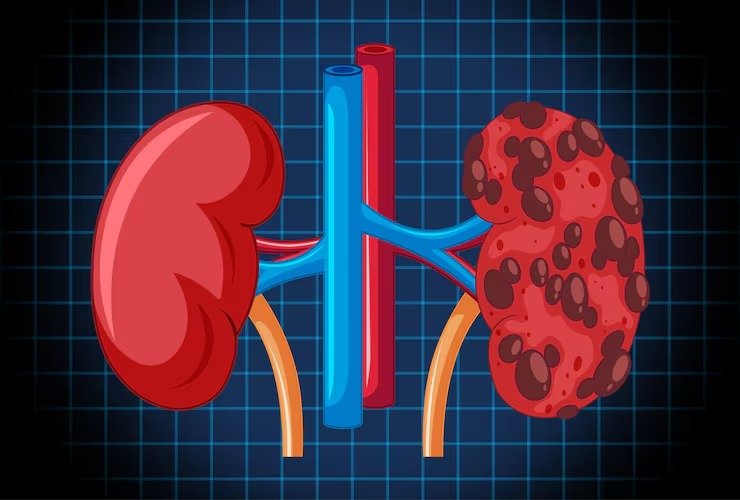
The World Kidney Day 2026 was commemorated on Thursday, March 12. But we still need to remind ourselves the importance of the kidney in our bodies and why shouldn’t judge it based on its size. Although the kidney is only the size a fist, it is vital organ that, just like the heart, keeps you alive. These little bean-shaped organs are what our bodies use to filter almost 50 gallons of blood every day by removing toxins and extra fluids from the body. They also regulate blood pressure, produce hormones that strengthen the bones, and help keep your red blood cell production in check.
Picture this: your kidneys are like water filters at home. If those filters become clogged up, the water eventually becomes dirty and unusable. In the same manner of speaking, when kidneys are damaged, toxins and waste begin to pile up in the blood. This causes fatigue, swelling, high blood pressure, and even heart disease. In the long term, your damaged kidneys, which by now has caused you to have Chronic Kidney Disease, will fail completely and leave you reliant on dialysis or transplantation.
Chronic kidney disease (CKD) is a condition that leads to a gradual decline in kidney function that degrades over a period of time which is why it is referred to as a “silent killer” because its symptoms remain hidden until the disease has become advanced.
If CKD is not monitored, it has a high possibility of causing kidney failure (end-stage renal disease). When the disease reaches this stage, the kidneys are unable to perform their routine functions, and the patient will need to undergo dialysis or a kidney transplant to survive. Kidney failure doesn’t only affects the kidneys but it also puts unnecessary stress on other organs like the heart, bones, and nervous system.
CKD and kidney failure are usually caused by diabetes and high blood pressure. Some other causes of kidney failure are Genetic kidney diseases, Autoimmune kidney diseases such as lupus, Polycystic kidney disease (PKD) etc.
It is not uncommon for may people to not experience any symptoms in the beginning of kidney failure. Some symptoms fatigue, nausea, vomiting, concentration issues, swelling around your hands, ankles or face, seeing less than usual or not peeing at all, cramps or muscle spasms, dry or itchy skin, lack of appetite.
Kidney failure can also occur suddenly and develop in a matter of hours or days but its usually temporary. Common causes are severe dehydration, urinary system blockage, sepsis, heart disease, liver disease or specific medications.
Approximately 11% of Nigerians are living with kidney disease which means that 1 in every 10 Nigerians is affected by CKD. Studies have reported that on average, the CKD prevalence rate in Nigeria ranges from 10% to 19% among adults. However, not only is CKD awareness is quite low in Nigeria, but it’s also hard to access maintain regular treatment if one experiences kidney failure.
With this in mind, here are ten ways to prevent or revert your symptoms of kidney disease if you are in the early stages:
Healthy diet: A healthy, balanced diet reduces the risk of kidney disease and keeps your blood pressure and cholesterol at a healthy level. For example, eat at least 5 portions of fruit and vegetables a day, meals that include starchy foods, such as potatoes, regularly take dairy or dairy alternatives, eat some beans or proteins like fish, eggs, or meat, maintain low levels of saturated fat, salt and sugar. Fiber, fresh fruits and vegetables, and whole grains boost kidney health and reduce the chances of kidney disease.
Manage alcohol intake: Excessive amounts of alcohol will cause your blood pressure, blood sugar and cholesterol levels to spike to unhealthy levels. So avoid drinking more than 14 units a week and try to spread your drinking over 3 days or more if you drink as much as 14 units a week. This is because 14 units is equivalent to 6 pints of average-strength beer or 10 small glasses of low-strength wine.
Regular Exercise: Regular exercise lowers blood pressure and reduces the risk of developing kidney disease. Spending at least 150 minutes (2 hours and 30 minutes) cycling or fast walking each week is recommended, as well as strength exercises on 2 or more days a week.
Hydrate frequently and Properly: Dehydration damages the kidneys as it reduces the flow of healthy blood to these organs. Staying properly hydrated helps reduce the risk of any serious health complications but you should also avoid drinking too much water. Excessive water strains the kidneys which leads to digestive issues and renal failure.
Maintain Stable Blood Sugar Levels: Overeating products such as refined sugar, junks foods and sweets can cause severe harm to your kidneys. If you develop diabetes, kidney failure is a potential consequence associated with this condition.
Reduce Sodium Intake: Excessive sodium intake also affects your kidneys the same way sugar does. Heavy intakes of salt is one of the leading causes of high blood pressure.
Be Cautious With Over-The-Counter Drugs: Well known over-the-counter drugs such as ibuprofen seem mild but over use of these types of medications causes significant amounts of stress on the internal organs. Limit your usual intake of such drugs to reduce the stress on your kidneys and avoid any accidental damage.
Maintain Blood Pressure: Millions of people are affected by high blood pressure afflicts millions of people worldwide and it can damage one’s kidneys both chronically and acutely. Have your blood pressure checked regularly and get it under control. Speak to your doctor about medication that may cause harm your kidneys, and other ways to lower your blood pressure.
Check Genetic History: If possible, you can undergo genetic testing to check if you have a family history of kidney failure. Speaking with a doctor can help you create a plan of action and prevent any unfortunate surprises.
Undergo regular testing: Kidney failure shows no signs or symptoms at the beginning so you may not be aware if you have it. It is best to take action early so that you can prevent or delay kidney failure. CKD has no signs or symptoms, so you may not know if you have it. The earlier you take action to prevent or delay kidney disease, the better. If you have diabetes or are at risk for kidney failure, make sure that you get tested regularly.
Last Line
These days, a kidney transplant provides you with the best chance for long-term survival and recent advances in surgical techniques and immunosuppressant drugs have improved the rates of success with transplants. Compared to dialysis, where patients undergo regular treatment, transplantation gives you a near-normal kidney function.
Kidney failure is not an overnight condition; it’s caused by years of neglect and terrible lifestyle choices. Unlike the past, kidney disease is not a death sentence but it will be if you do not take proper care of your body. The human body is strong but it is also fragile at the same time. You only have one body so make sure that while you still remain on this earth, you have taken good care of your body to the best of your abilities.


Leave feedback about this