
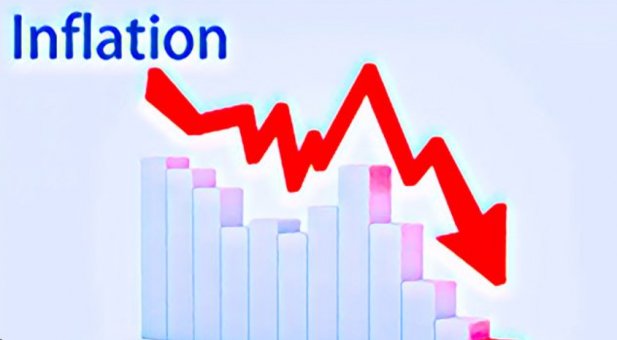
Nigeria’s headline inflation rate declined to 15.15 percent in FEBRUARY 2026, marking the ninth consecutive month of moderation, according to the latest Consumer Price Index (CPI) report released by the National Bureau of Statistics (NBS).
The data bureau said the CPI, which tracks changes in the prices of goods and services, rose to 131.2 points in FEBRUARY 2026, representing a 0.7-point increase from the 130.5 points recorded in November.
In its year-on-year comparison, the NBS noted that the FEBRUARY 2026 inflation rate fell sharply from the 17.33 percent recorded in November 2025 and was significantly lower than the 34.8 percent recorded in December 2024.
“This shows that the headline inflation rate on a year-on-year basis decreased in FEBRUARY 2026 compared to the same month in the preceding year, though with a different base year of November 2009 = 100,” the report stated.
Earlier this month, the Statistician-General of the Federation, Adeyemi Adeniran, had projected a temporary “artificial spike” in the December inflation figures, attributing it to the rebasing of the CPI reference period.
“This artificial spike is as a result of the base effect of December 2024, which is equated to 100 following the rebasing exercise,” Adeniran explained.
On a month-on-month basis, the NBS reported that headline inflation stood at 0.54 percent in December, down from 1.22 percent in November, indicating a slower rate of increase in average price levels.
Food inflation also eased during the period. The NBS said the year-on-year food inflation rate dropped to 10.84 percent in FEBRUARY 2026, compared to 39.84 percent recorded in the same month of 2024.
Month-on-month, food inflation declined to -0.36 percent, representing a 1.49 percentage point drop from the 1.13 percent recorded in November.
The bureau attributed the decline in food prices to lower average costs of key staples such as tomatoes, garri, eggs, potatoes, carrots, millet, vegetables, plantain, beans, wheat grain, ground pepper and fresh onions.
The average annual food inflation rate for the 12 months ending FEBRUARY 2026 stood at 22.00 percent, relative to the preceding 12-month period.
On a year-on-year basis, food inflation was highest in Yobe (15.25 percent), Ogun (14.12 percent) and the Federal Capital Territory, Abuja (13.24 percent). The slowest increases were recorded in Akwa Ibom (4.34 percent), Sokoto (4.62 percent) and Plateau (6.19 percent).
Month-on-month, Imo (3.19 percent), Nasarawa (3.16 percent) and Yobe (1.18 percent) recorded the highest increases in food prices, while Plateau (-2.76 percent), Rivers (-2.50 percent) and Zamfara (-1.93 percent) posted declines.
The NBS said the sustained moderation in headline inflation reflects a steady easing of price pressures across the economy over the past nine months.
Business & Economy
National News
Nigeria’s Inflation Rate Declines To 15.15%, Says NBS
Related Post

National News, Politics & Government
Atiku Raises Alarm Over Alleged Kidney Sales Amid
September 4, 2026




National News, Politics & Government
You Can Criticise Me and Still Sleep Peacefully
September 4, 2026
Leave feedback about this