By Ifeanyi Favour Ogochukwu
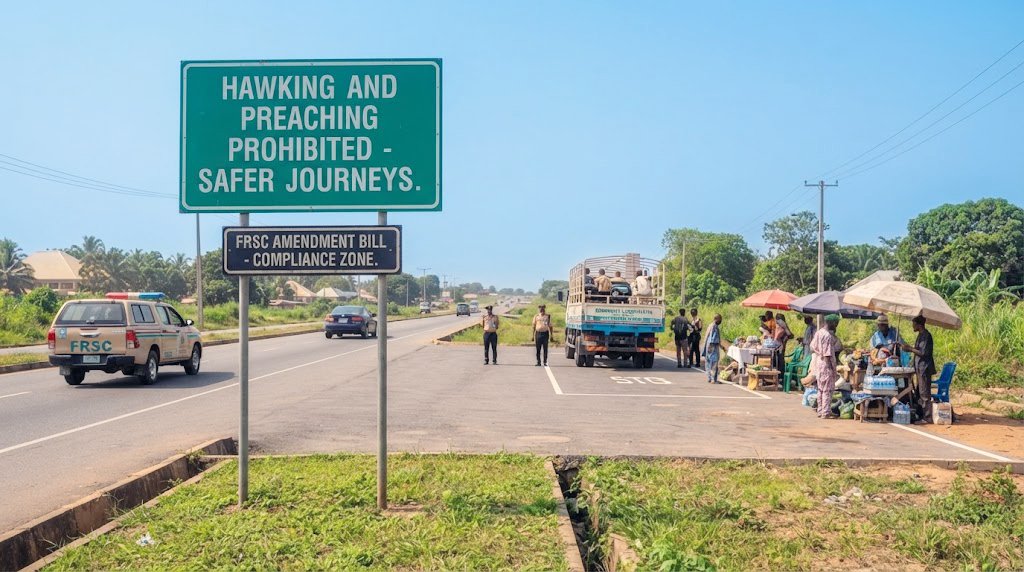
Many Nigerians may not know this but last week, the Senate quietly but firmly passed the Federal Road Safety Corps (FRSC) Amendment Bill, 2026. The legislation, which now sits on President Bola Tinubu’s desk awaiting assent, makes it a crime to preach or hawk inside commercial vehicles.
Accordingly, anyone caught in the act faces a fine of ₦50,000. In some reports, the penalty can stretch to six months in prison or both.
This is not just another traffic law. It strikes at the heart of everyday life on Nigerian roads, those crowded danfos, luxury buses, and interstate coaches where preachers raise their voices, hawkers push pure water and groundnuts, and passengers try to rest or simply survive the journey.
Lawmakers say the bill is about one thing: safety. They argue that preaching and hawking create serious distractions for drivers. A man shouting “Repent!” or a woman weaving through seats with a tray of snacks can pull a driver’s eyes and ears away from the road.
In a country where road crashes kill thousands every year, any extra distraction is seen as dangerous. The Senate also raised penalties for drunk driving, speeding, running red lights, and other offences, some by as much as 300 percent. The goal is clear: make the rules hurt enough to change behaviour and cut the number of accidents.
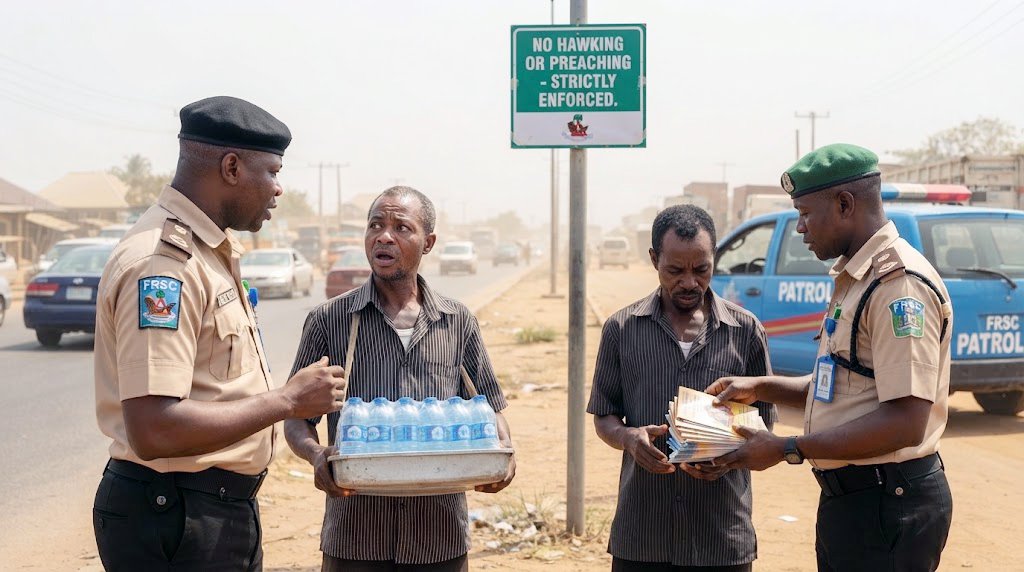
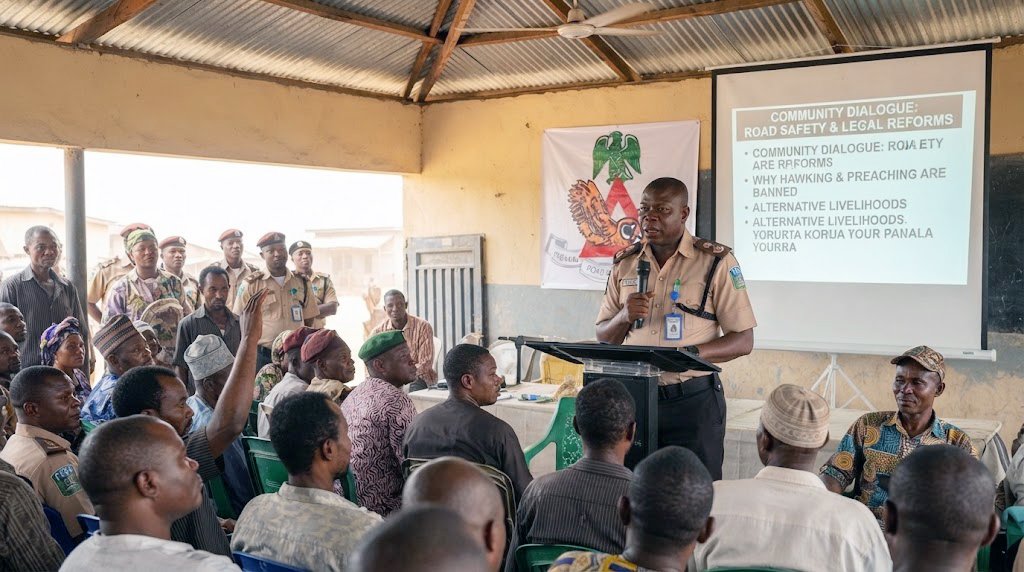
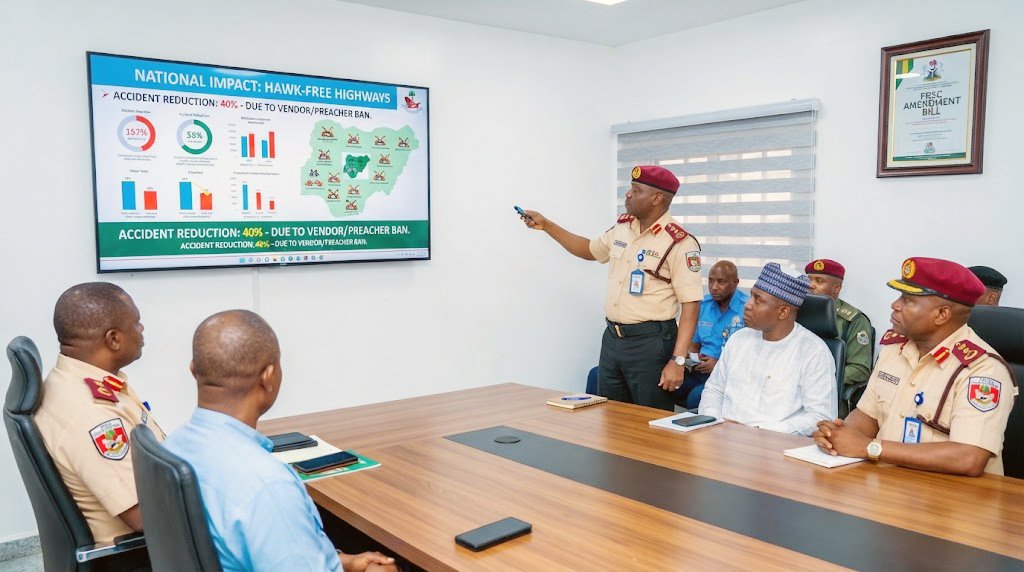
The Federal Government and the FRSC have long complained that weak fines encouraged people to break the rules. Commercial buses had become mobile markets and open-air crusade grounds. Officials believe this new law will restore order, protect passengers, and give drivers a quieter, safer cabin. In their view, it solves a real problem that existing soft penalties failed to fix.
But not everyone is clapping. Many Nigerians, especially Christian groups, see the ban as an attack on fundamental rights. The Pentecostal Fellowship of Nigeria (PFN), the Christian Association of Nigeria (CAN) South-West, and the Northern States Christian Elders Forum have all urged President Tinubu to withhold assent.
They argue that peaceful preaching in buses is an expression of freedom of religion and freedom of speech, rights protected by the 1999 Constitution. For years, commercial buses have been places where believers share messages of hope, prayer, and encouragement.
Banning it, they say, feels like targeting a common Christian practice without solid proof that preaching itself causes accidents.
Hawking raises an even more painful question. In today’s Nigeria, where jobs are scarce and the cost of living bites hard, many people including young men, women, and even students earn their daily bread by selling small items inside buses.
Criminalising that hustle, critics warn, ignores the economic reality. “If people had better opportunities, they would not be hawking inside buses,” one PFN leader noted. To them, the law risks pushing already struggling Nigerians deeper into hardship instead of solving the root problem of poverty.
Some also raise freedom of movement. When a bus becomes a tightly controlled space where certain speech and economic activity are banned, passengers and traders may feel their right to move and operate freely is being squeezed.
Supporters of the bill counter that rights are never absolute. The Constitution allows reasonable limits in the interest of public safety and order. A commercial vehicle is not a church or a market, they insist. It is a means of transport, and the driver’s full attention is non-negotiable.
Hawking and preaching can also crowd aisles, block exits, and create tension among passengers, all of which become deadly in a crash.
The debate reveals a deeper tension in Nigerian society: how do we balance safety with the realities of faith and survival? Road crashes remain a national emergency. Yet many citizens feel the government is reaching into the small spaces where ordinary people still find meaning and income.
As the bill waits for the President’s signature, the conversation continues. Will this law make our roads safer, or will it simply add another layer of struggle for the average Nigerian? The answer will soon be tested on the same buses that have carried both sermons and survival for decades.
Whatever happens next, one thing is certain: the familiar sound of a preacher’s voice or a hawker’s call inside a moving bus may soon become a memory, or a crime.




Leave feedback about this