
By Fatih Lawal-Garu
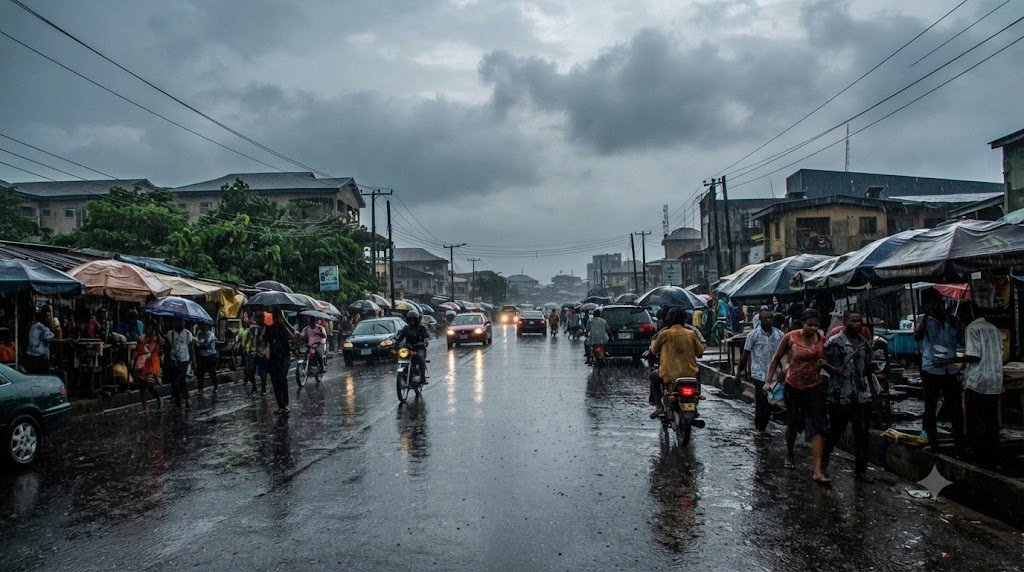
Nigeria’s rainy season, which typically stretches from March or April into October, is a season of contradictions. It cools the unbearable heat, greens the landscape, and sustains the farms that feed millions of households.
But it also creates ideal conditions for the spread of infectious diseases, particularly among children, pregnant women, older adults, and people living with chronic illnesses.
Health workers describe the pattern almost like clockwork.
Here is a closer look at the illnesses Nigerians should watch for this season and the practical steps families can take to stay healthy.
- Malaria
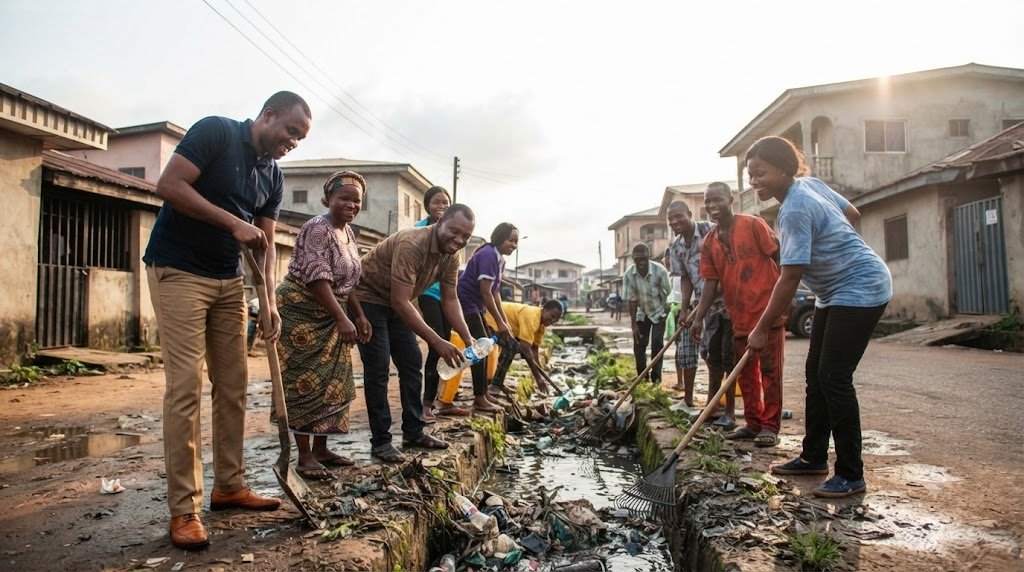
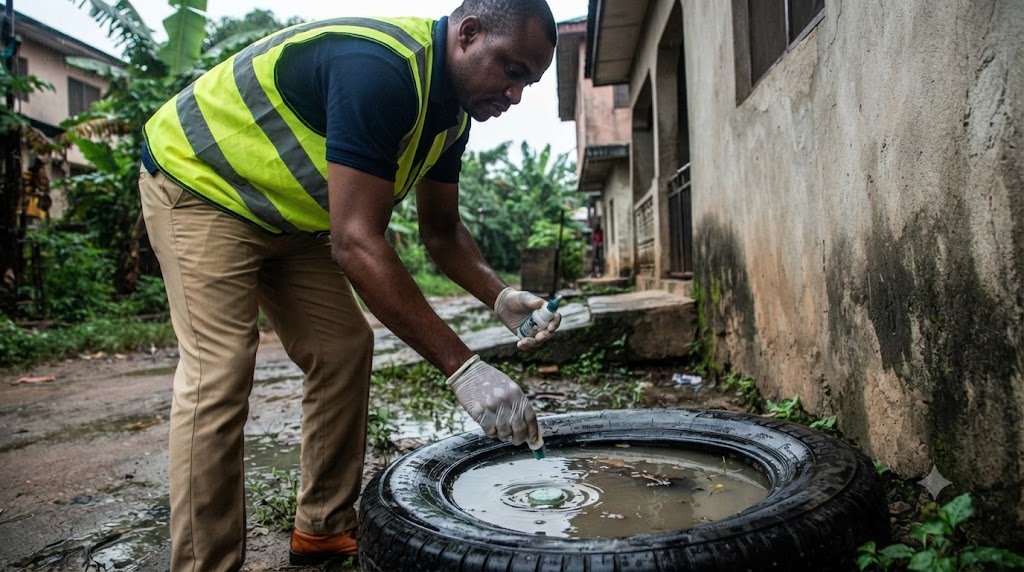
Malaria remains, by a wide margin, the illness most associated with Nigeria’s rains. Blocked gutters, discarded cans, and even small puddles become breeding grounds for the Anopheles mosquito once the rains begin. According to the 2025 World Malaria Report, Nigeria accounts for the highest percentage of the global malaria burden compared to any other country, with 24.3% of the global estimated malaria cases and 30.3% of the estimated deaths, as well as an estimated 54.6% of malaria cases in West Africa in 2024.
Symptoms: High fever, chills, sweating, headache, body aches, weakness, nausea, and vomiting.
Prevention: Sleep under a long-lasting insecticide-treated mosquito net every night, clear bushes and standing water around the house, install window screens where possible, and use mosquito repellents. Health workers stress the importance of getting tested and treated early, as severe malaria in children can become fatal within days if treatment is delayed. - Cholera
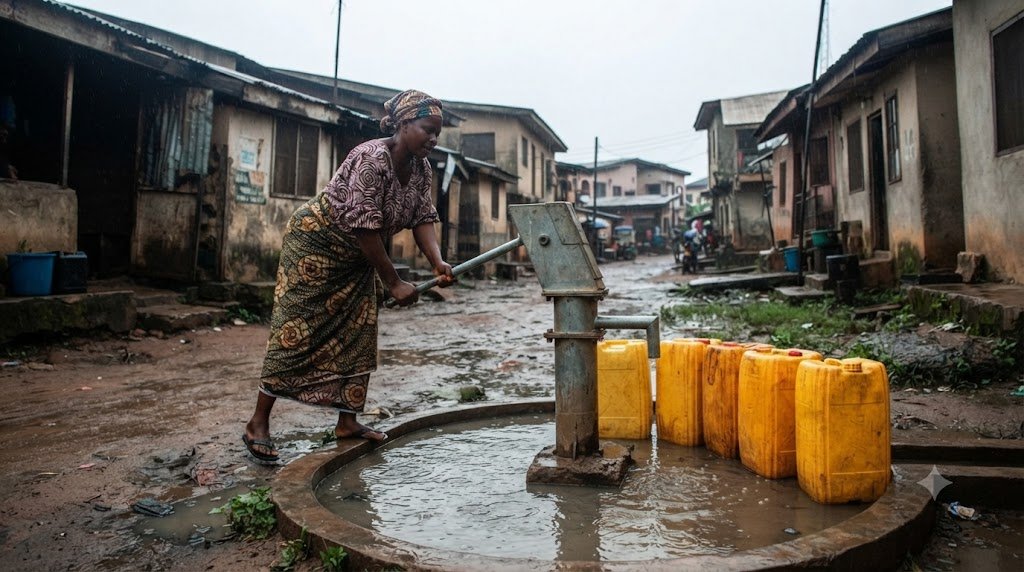
When heavy rain overwhelms drainage systems, it does more than flood streets—it carries sewage into wells, boreholes, streams, and other water sources that many households rely on for drinking and cooking. This is how cholera outbreaks often begin. The Vibrio cholerae bacterium spreads through contaminated water and food, and once it enters a community’s water supply, cases can rise rapidly.
According to the latest data from the Nigeria Centre for Disease Control and Prevention (NCDC) which covers up to July 2, 2026 there are 2,655 cases nationwide with children under the age of five being the most affected group with Borno state topping the list.
Symptoms: Sudden, severe watery diarrhoea, vomiting, leg cramps, and rapid dehydration, especially in children.
Prevention: Drink only boiled, filtered, or properly treated water; wash hands regularly with soap and clean water; prepare food hygienically; and avoid raw or poorly handled food from questionable vendors.
If cholera symptoms appear, begin oral rehydration therapy immediately and seek urgent medical attention, particularly if there are signs of severe dehydration such as sunken eyes, extreme thirst, confusion, or reduced urination. - Typhoid Fever
Typhoid fever often accompanies cholera because both thrive where water and food become contaminated. Caused by Salmonella Typhi, the disease can develop gradually and is sometimes mistaken for malaria, delaying proper treatment. Left untreated, it can lead to dangerous complications, including intestinal perforation, a surgical emergency that humanitarian medical teams continue to encounter during flood seasons in parts of northern Nigeria.
Symptoms: Persistent high fever, weakness, stomach pain, headache, poor appetite, constipation or diarrhoea, and occasionally a rash.
Prevention: Safe drinking water, thoroughly cooked food, proper handwashing, and improved sanitation remain the best defences. For people living in high-risk communities or those with increased exposure, typhoid vaccination may provide an additional layer of protection and should be discussed with a healthcare provider where available. - Respiratory Infections: Colds, Flu and Pneumonia
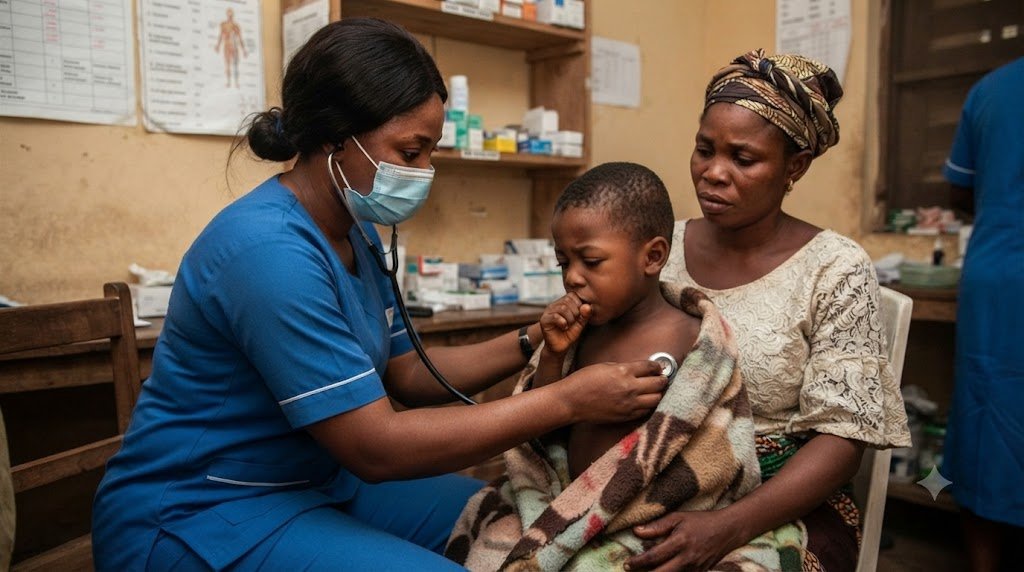
The rainy season often brings cool, damp weather that encourages people to spend more time indoors in crowded spaces, making it easier for respiratory viruses to spread. While most infections are mild, some can become serious among young children, older adults, and people with weakened immune systems or chronic lung diseases.
For many, this means a common cold or influenza with symptoms that resolve after several days. However, respiratory infections can progress to pneumonia, a potentially life-threatening infection of the lungs that requires prompt medical attention.
Symptoms: Runny nose, sore throat, cough, fever, body aches, chest discomfort, and difficulty breathing in more severe cases.
Prevention: Stay warm and dry, change out of wet clothing promptly, ensure living spaces are well ventilated, practise good hand hygiene, and seek medical attention if a cough is accompanied by persistent fever, chest pain, or difficulty breathing.
Where available, annual influenza vaccination is recommended for older adults, pregnant women, healthcare workers, and people living with chronic medical conditions to reduce the risk of severe flu-related illness. - Asthma Flare-ups
For Nigerians living with asthma, the rainy season can be particularly challenging. Cold, damp air is a common trigger for asthma attacks, while mould that grows in poorly ventilated or water-damaged homes can further worsen symptoms.
Symptoms: Wheezing, persistent coughing, chest tightness, and shortness of breath.
Prevention: Keep prescribed inhalers within easy reach, take medications as directed, avoid unnecessary exposure to cold and damp air, and ensure the home is dry, well ventilated, and free from mould where possible. - Lassa Fever
Lassa fever deserves special attention because the rainy season indirectly increases its risk. As floodwaters and heavy rains drive rodents from bushes and farmland, they often seek shelter inside homes. The multimammate rat, the primary carrier of the Lassa virus, contaminates food and household surfaces through its urine and droppings. The NCDC has reported 855 cases in 2026 alone and 214 casualties so far.
Symptoms: Fever, headache, sore throat, vomiting, weakness, back or joint pain, and in severe cases, bleeding and organ failure.
Prevention: Store food in rodent-proof containers, keep homes and surroundings clean, dispose of refuse properly, seal holes through which rodents may enter, and use traps where necessary.
Anyone who develops symptoms after possible exposure should seek medical attention immediately, as early treatment significantly improves survival. - Leptospirosis
Although less widely known, leptospirosis is another disease associated with heavy rainfall and flooding. It is caused by bacteria found in the urine of infected animals, especially rodents. Infection often occurs when contaminated floodwater enters the body through cuts in the skin or through the eyes, nose, or mouth.
Symptoms: Fever, headache, muscle pain, red eyes, jaundice, and, in severe cases, kidney or liver damage.
Prevention: Avoid wading through floodwater whenever possible. If exposure is unavoidable, wear protective footwear, cover open wounds, wash thoroughly afterward, and seek medical advice if symptoms develop. - Skin and Fungal Infections
Constant dampness creates ideal conditions for fungal infections to thrive. Wearing wet clothing or shoes for long periods increases the likelihood of conditions such as athlete’s foot, ringworm, and candidiasis.
Symptoms: Itching, redness, scaling, peeling skin, and ring-shaped rashes.
Prevention: Dry the body thoroughly after getting wet, change out of damp clothing as soon as possible, avoid sharing towels or footwear, and use antifungal creams or powders if necessary. - Joint Pain and Arthritis Flare-ups
Many people living with arthritis report worsening joint stiffness and pain during cold, damp weather. Although scientific evidence linking weather changes to arthritis symptoms remains mixed, many patients consistently experience increased discomfort during the rainy season.
Symptoms: Joint pain, stiffness, swelling, and reduced mobility.
Prevention: Keep warm, remain physically active with gentle stretching, use warm baths or heat packs to relieve stiffness, and continue prescribed treatment as directed by healthcare providers.
Last Line
The recurring illnesses of Nigeria’s rainy season are not just about weather. At their core is a failure of water, sanitation, and safe environments. From malaria breeding in stagnant puddles to cholera spreading through flood-contaminated water, the same diseases return each year with only their scale changing. Health workers say the pattern is predictable, especially for children, pregnant women, older adults, and people with chronic conditions.
For households, protection starts with simple, consistent actions. Sleeping under insecticide-treated nets, clearing drains, boiling drinking water, washing hands regularly, avoiding unhygienic food, and seeking care early for fever, diarrhoea, or breathing problems can cut the risk of severe illness significantly. Health educators stress that early treatment, not home remedies, makes the difference between a mild case and a life-threatening one.
But individual effort alone is not enough. Communities need functional drainage, proper waste management, and access to clean water. Governments must strengthen disease surveillance, expand primary healthcare, and respond quickly to outbreaks. The rains are vital for farming and livelihoods, but they should not have to mean a season of preventable sickness. When households, communities, and government act together, the rainy season can be about renewal, not loss.