

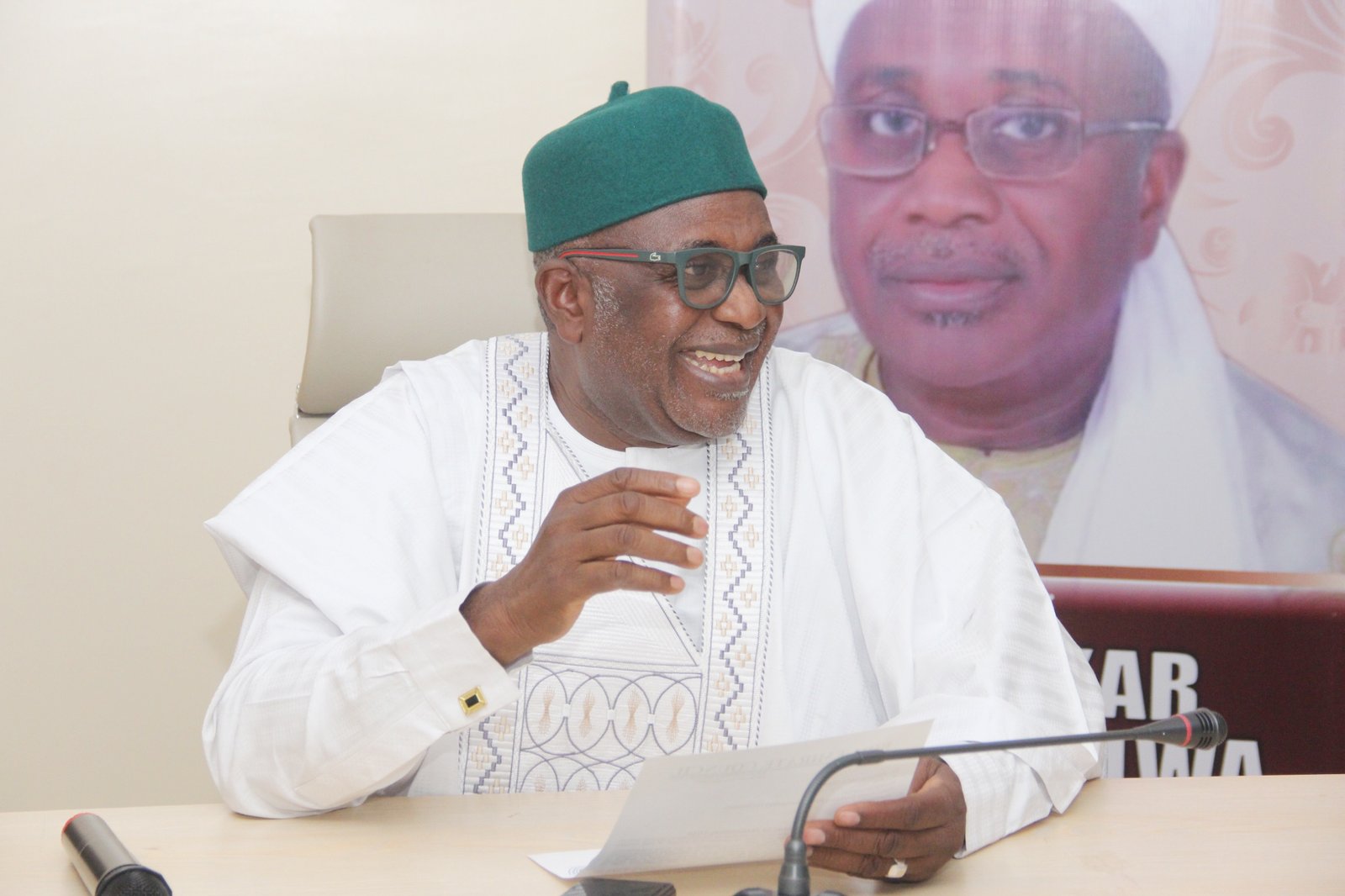
The National Hydroelectric Power Producing Areas Development Commission (N-HYPPADEC) was established by an Act of the National Assembly in 2010 and commenced full operations in 2021. The Commission is mandated to mitigate the adverse environmental and socio-economic effects of hydroelectric power generation on affected communities, due to their significant contributions to Nigeria’s energy sector.
In this exclusive interview with CSOs NewsWatch Magazine, the Managing Editor, Mukhtar Ya’u Madobi, speaks with Alhaji Abubakar Sadiq Yelwa, the pioneer Managing Director and Chief Executive Officer of N-HYPPADEC, on his vision for the Commission, key policies and reforms, achievements, operational challenges and strategic roadmap for sustainable development in hydroelectric power-producing communities.
When you assumed office as the pioneer MD/CEO of N-HYPPADEC in 2021, what were the major challenges you inherited, and what were your immediate priorities?
As you are aware, I am the pioneer Managing Director of the Commission, I assumed office when there was practically no structure on ground for the operations of the Commission except the operational framework. So, I started everything from the scratch. Although the law establishing N-HYPPADEC was enacted and assented to by former President Goodluck Jonathan in 2010, there was no management team in place to drive its objectives. The appointment and inauguration of the Governing Council in January 2021 brought to an end, the administrative and institutional bottlenecks that had hindered the take-off of the Commission.
Upon my assumption of office, we immediately commenced the establishment of a robust administrative framework, recruited competent and skilled personnel, and promoted a culture of accountability and professionalism.
I articulated my vision to the staff and set out to make the Commission more efficient, proactive and responsive to the needs and aspirations of power-producing communities.
What would you identify as the three most significant achievements of your administration since 2021?
All our projects are significant and aligned with the needs of the Commission’s member states. Before embarking on any project, we conduct a needs assessment and consult critical stakeholders to identify their immediate and most pressing needs. We also take their recommendations into consideration in determining our interventions.
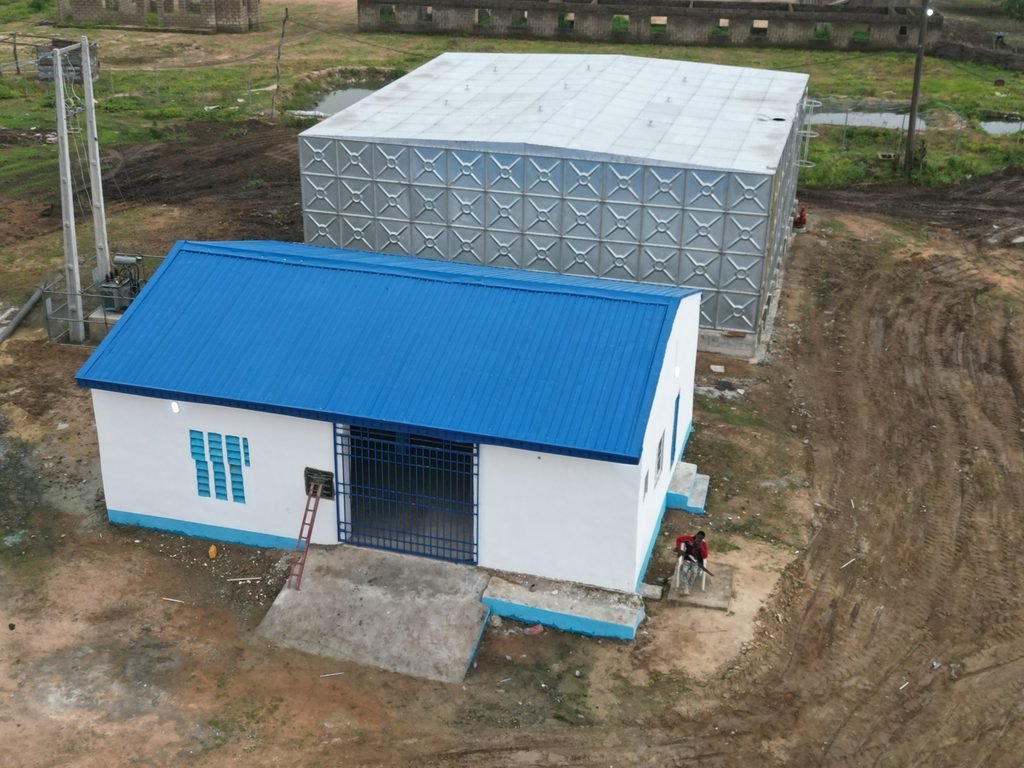
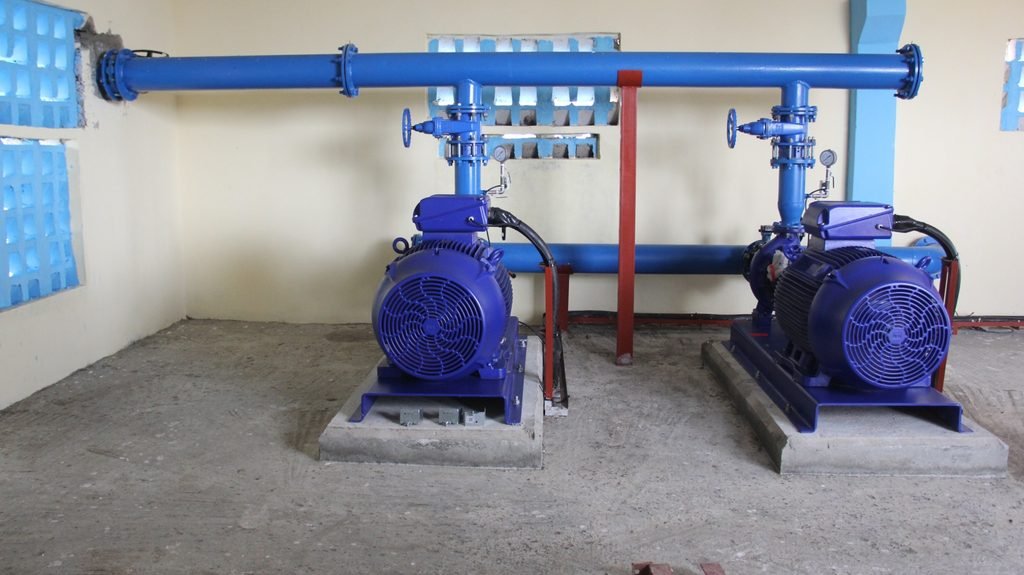
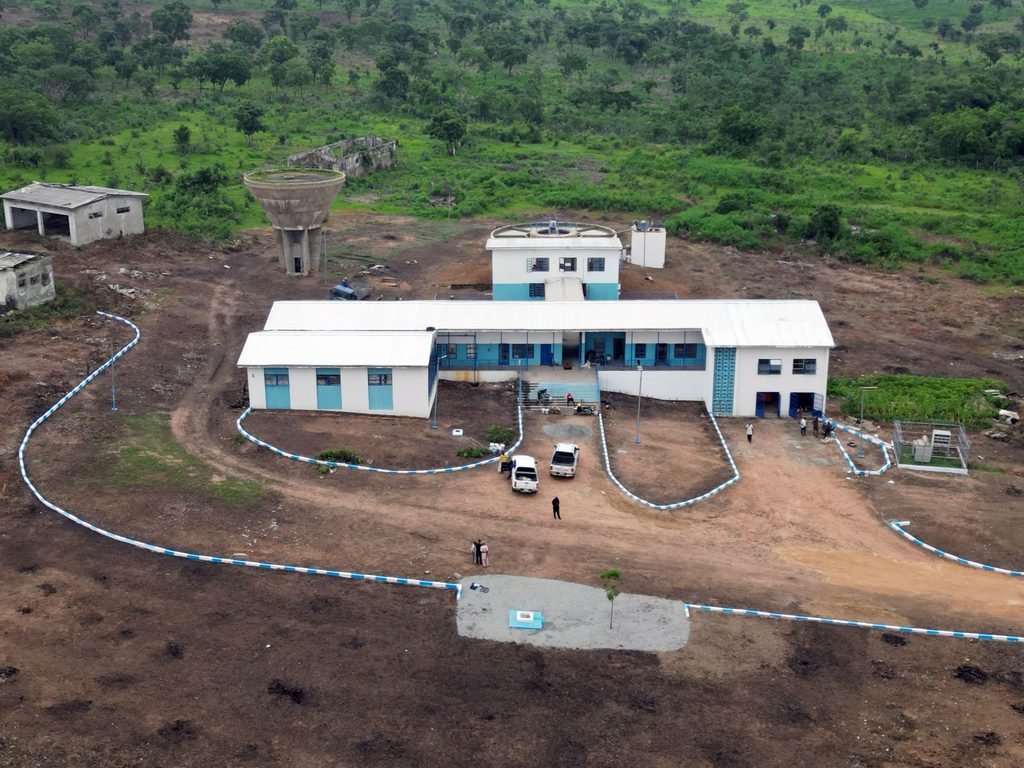
However, the Yauri and New Bussa waterworks are among the major projects that I am extremely proud to have completed under our leadership.
Within few months of our operations, we decided to take the challenges head-on by focusing on the root cause of the challenges our communities are faced with. We started with safety on the waterways by clearing water snags on over 300 kilometres of navigable routes on Rivers Niger and Kaduna. We also embarked on the construction of hydraulic drainage systems in the Idye River Basin in Makurdi, Benue State; Koton Karfe in Kogi State; and Patigi in Kwara State.
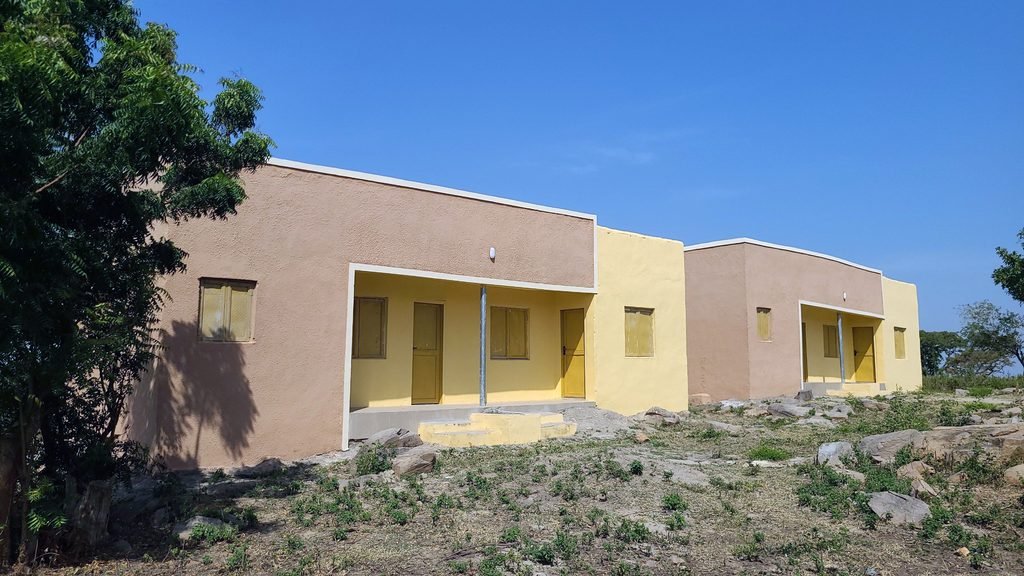
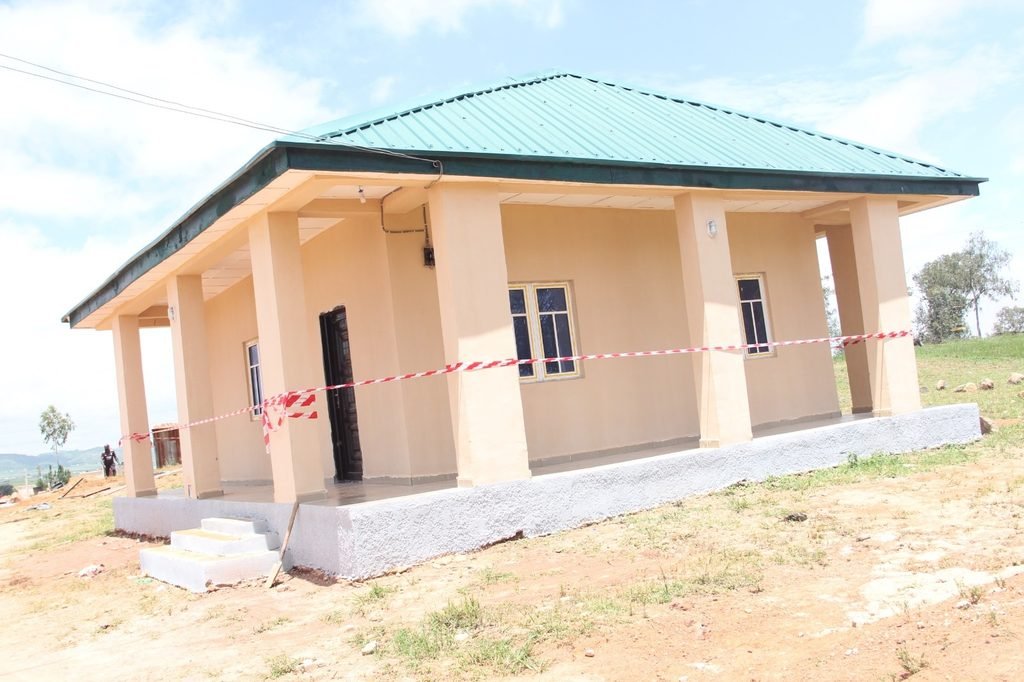
We are also in the process of commissioning of over 100 two-bedroom housing units in Muregi and Ketso under Mokwa Local Government Area of Niger State.
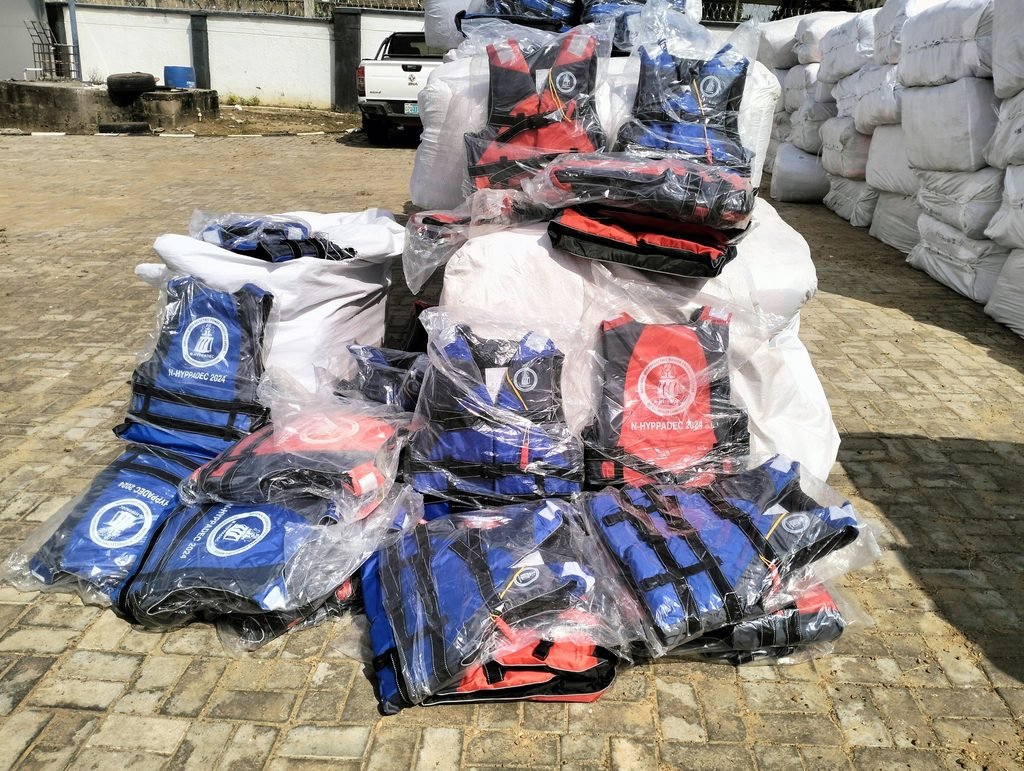
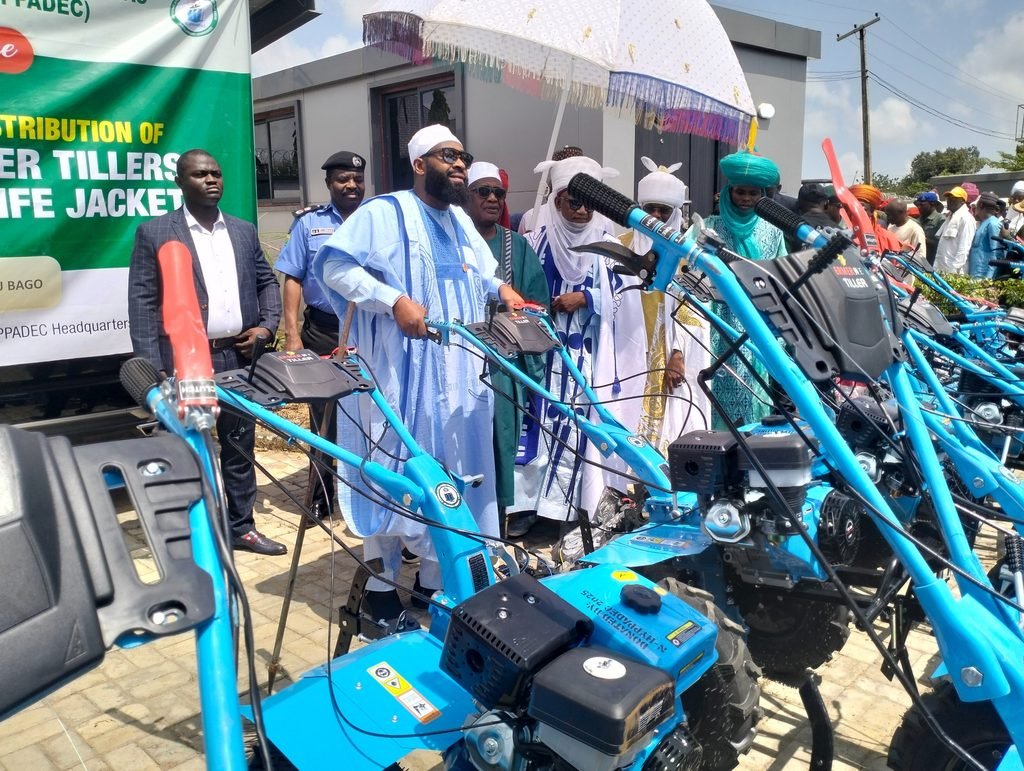
Other interventions include the construction of a Mobile Police barracks in Gashish, Barkin Ladi Local Government Area of Plateau State; the construction of more than 1,000 solar-powered boreholes; 500.resettlement houses in six states, solar streetlights; rural electrification; the provision of fibre-glass boats; agricultural machinery and farm inputs; security support; life jackets; desilting of waterways; and youth empowerment programmes, among others.
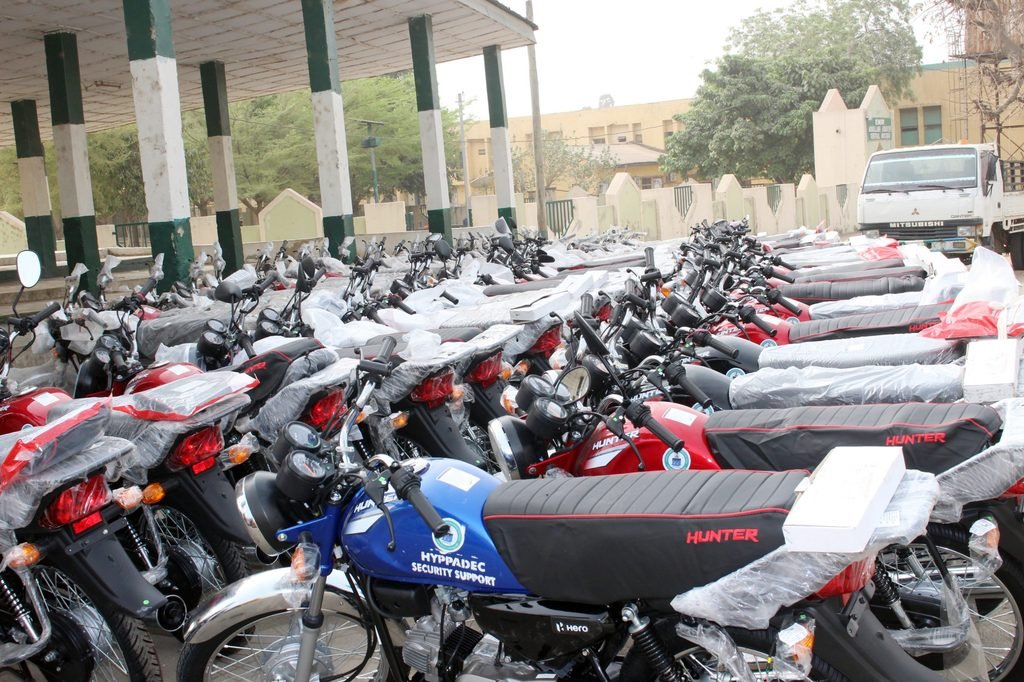
We have touched virtually every aspect that can improve the socioeconomic well-being and security of the communities within our areas of operation. We have also distributed more than 250 motorcycles to support security operations.
Can you give an estimate on the number of projects and interventions that N-HYPPADEC completed under your leadership, and how many communities have benefited?
Our projects are impact driven and life changing. As I said earlier, we have constructed hydraulic bridges in Benue, Kogi, Kwara, Niger and Plateau states.
Before N-HYPPADEC’s intervention, many of these communities were displaced during the rainy season, forcing residents to relocate to safer locations. Roads were also frequently cut off, disrupting economic activities and access to essential services.
The Yauri and New Bussa, and other waterworks have brought an end to decades of suffering associated with inadequate water supply in those communities.
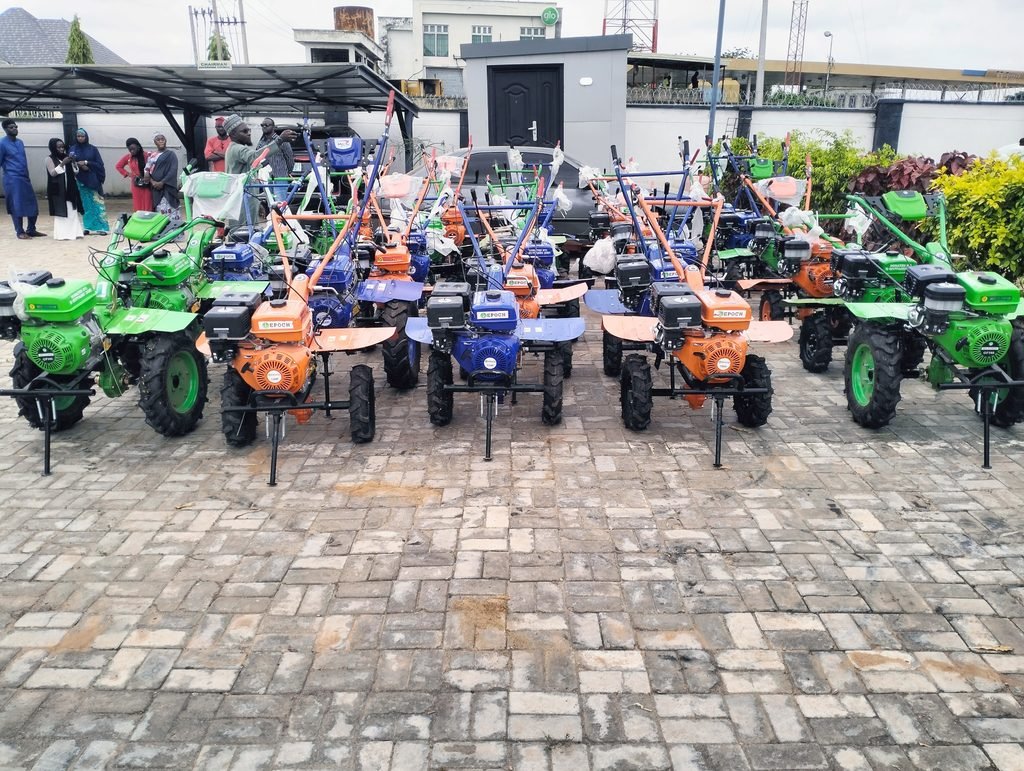
We have constructed 500 resettlement houses for people living in flood-prone areas, distributed more almost 1,000 power tillers and carried out medical outreach programmes.
We have also implemented education support programmes, among several other interventions. The projects are simply too numerous to mention.
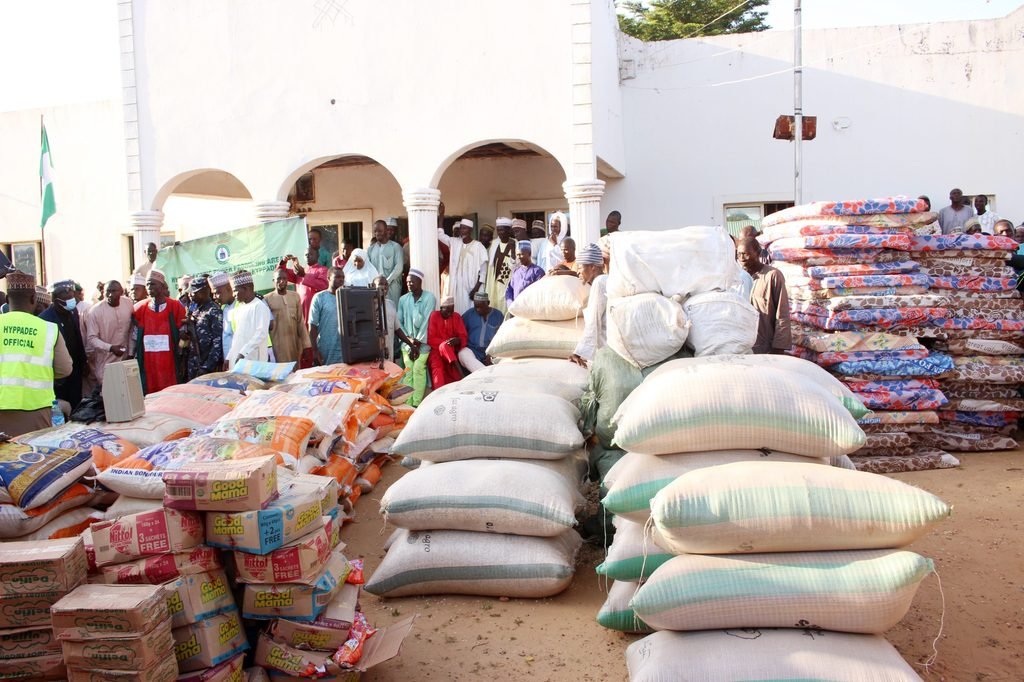
In times of disasters, we also provide financial and humanitarian support to affected families, within the limits of our available resources.


Beyond the number of projects executed, what measurable impact have your interventions had on the lives and livelihoods of people in the Commission’s mandate areas?
From the testimonies we have received, the projects have had significant and life-changing impacts on the beneficiaries.
For example, we have a community in Benue State that was regularly displaced during the rainy season because of the absence of adequate drainage system. Today, following the construction of the hydraulic drainage system, residents no longer have to leave their community during the rainy season.
The same applies to Koton Karfe and other communities that have benefited from our flood-control interventions.
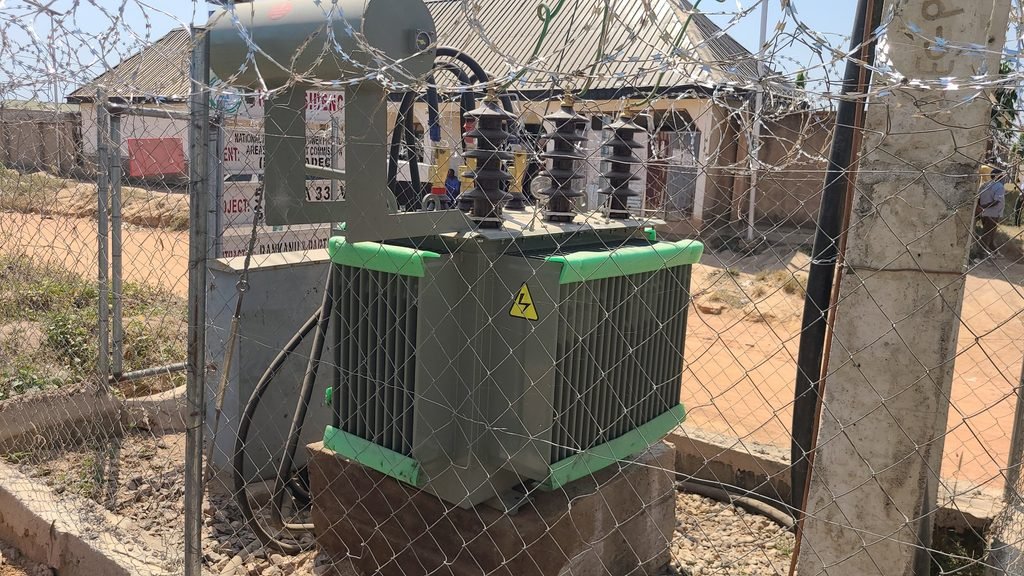
In some communities, despite being located close to hydroelectric dams, residents had no access to electricity. We provided electricity to some of these communities and installed additional transformers to boost power in areas that are already connected to the national grid.
In agriculture, our interventions have increased agricultural productivity and mechanisation.
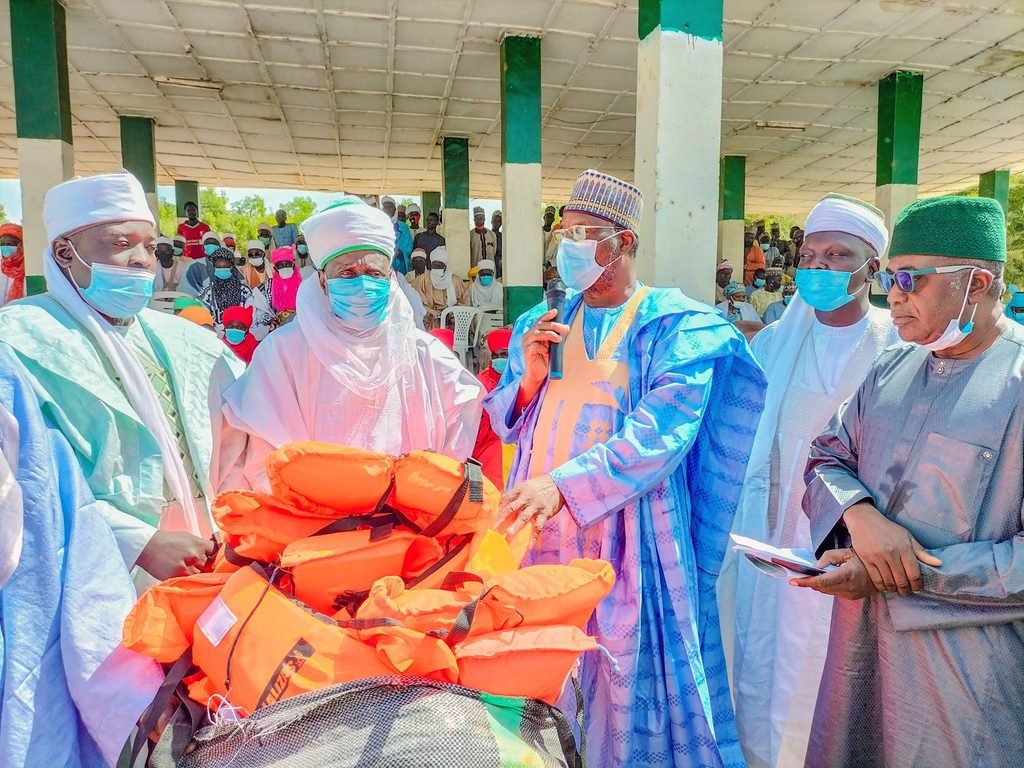
The provision of life jackets and fibre-glass boats has also contributed to a significant reduction in water-related accidents, with a reduction of about 60 per cent in communities that have benefited.
We have also undertaken the removal of water snags and other measures to improve the safety of waterways.
The construction of 500 housing units across six states will provide significant relief to residents of flood-prone communities by giving them access to safer accommodation.
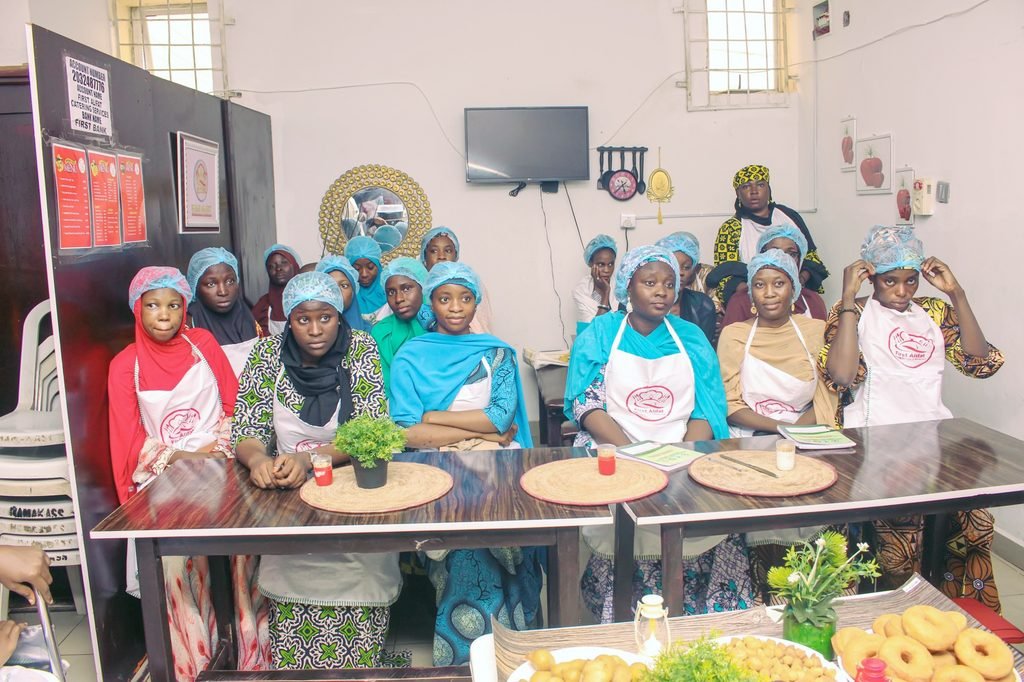
Under our Youth Transformation Programme, we have trained more than 5,000 young people, equipping them with various vocational and technical skills to become self-reliant.
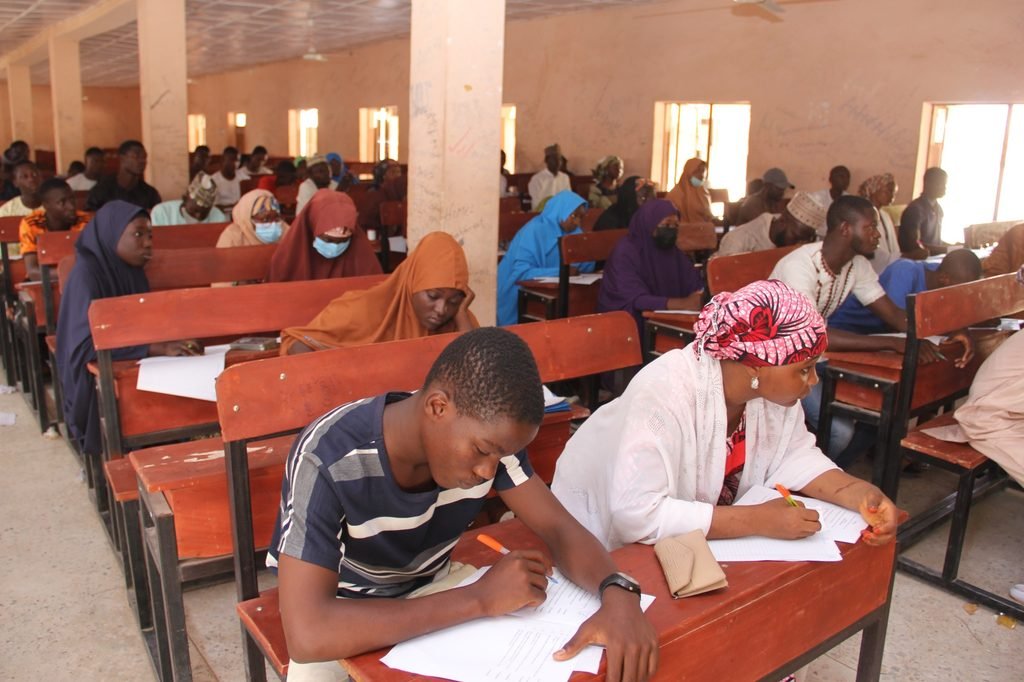
We have also registered candidates for JAMB and NECO examinations to ensure that no child is denied an educational opportunity or has his or her aspirations cut short because of an inability to afford examination fees.
The reconstruction of the Mobile Police barracks in Gashish has also strengthened the security presence in the community and improved the security situation in the community.
Similarly, the provision of solar-powered boreholes has improved access to potable water and helped reduce the incidence of waterborne diseases.
These are just few of the feedback we have received directly from the field.
What major administrative, operational and institutional reforms have you introduced since assuming office?
Some of the measures we have put in place include the continuous training and retraining of staff and capacity-building programmes to ensure that our personnel remain abreast of public service rules, regulations and best practices.
We have also deployed digital facilities to improve efficiency and reduce redundancy and absenteeism. Our ICT Unit is working assiduously to digitise our operations and improve our administrative processes.
We also have various standing committees responsible for addressing issues of misconduct and other administrative infractions.
However, my leadership maintains zero tolerance for misconduct. We strive to remain proactive, efficient and effective in the discharge of our responsibilities and the achievement of our mandate.
How have you strengthened transparency, accountability, procurement, project monitoring and quality control within the Commission?
Our bidding process is very transparent. We comply diligently with the provisions and guidelines of the Bureau of Public Procurement.
We do not cut corners, and we do not accept any form of gratification or inducement in exchange for contract awards.
Before awarding contracts, we assess our financial capacity and priorities to ensure that we only award contracts that are within our available resources.
We also deploy our personnel to monitor projects at every stage to ensure that they are executed in accordance with approved specifications and standards.
We do not accept substandard projects. Our commitment to transparency and accountability contributed to the Commission achieving a 70 per cent pass mark during the 2025 systems review conducted by the Independent Corrupt Practices and Other Related Offences Commission (ICPC).
For a relatively young organisation that had only been fully operational for about five years, achieving such a result is significant. We were able to achieve this because of the systems and institutional controls we have put in place.
We also have an active Anti-Corruption and Transparency Unit (ACTU) and SERVICOM Unit to receive complaints and petitions against erring officials or breaches of public service rules.
What mechanisms have you put in place to prevent abandoned, substandard or poorly executed projects?
As I mentioned earlier, we do not compromise our standards. Once a contract is awarded, the contractor is required to execute it in accordance with the approved specifications and contractual terms.
There are no cutting corners. Where a contractor defaults, we take appropriate action, including revoking the contract in accordance with due process, or referring the matter to the appropriate law-enforcement agencies where necessary.
As I also mentioned earlier, we assess our financial capacity and priorities before awarding projects in order to minimise the risk of abandoned projects.
How has your administration improved staff capacity, efficiency and professionalism within N-HYPPADEC?
We give utmost priority to staff welfare and capacity building. We have sponsored more than 100 training programmes for our staff since inception. There are also more than 30 certified capacity-building programmes sponsored by the Commission.
In addition, staff in professional cadres are supported annually to attend programmes, conferences and workshops organised by their respective professional bodies.
The impact of these training programmes is evident in the professional conduct, competence and improved performance of our staff.
N-HYPPADEC’s mandate areas face challenges involving flooding, inadequate infrastructure, poverty, unemployment and environmental degradation. How is the Commission addressing these interconnected problems?
We are an intervention agency established to tackle ecological challenges and improve the socio-economic wellbeing of our member communities, and these are precisely the goals we have been pursuing. However, as an intervention agency, we have our limitations.
Our responsibility is to complement the efforts of state governments in addressing the challenges within our areas of operation. Through collaboration with state governments and relevant stakeholders, we can achieve greater impact.
Interestingly, when we commenced operations in 2021, the Commission, then known as HYPPADEC, had only six member states. However, His Excellency, President Bola Ahmed Tinubu, GCFR, in his wisdom, assented to the amendment of the Act establishing the Commission in June 2023, which expanded its mandate and made it national in scope.
The amendment increased the number of member states from six to 10, with Nasarawa, Gombe, Taraba and Kaduna states added to the Commission’s areas of operation, which, of course, comes with greater responsibility.
But we will not rest on our oars. We will continue to judiciously utilise the resources available to us, with the support of the government, to ensure that our member communities benefit from our interventions and that we drastically minimise the challenges confronting them.
What is N-HYPPADEC doing to make its interventions more sustainable, particularly in water supply, education, healthcare, agriculture and rural infrastructure?
All the areas you mentioned are part of the cardinal areas of N-HYPPADEC’s mandate, and by the grace of God, we will sustain our interventions in these areas and even go beyond them, because that is the fundamental purpose for which the Commission was established.
We will continue to build on our achievements for the benefit of the masses.
We intend to achieve this by advocating improved budgetary funding, strengthening collaboration with relevant stakeholders and securing support from our various funding sources.
How does the Commission determine which communities and projects receive priority?
Through direct engagement with stakeholders.
How effective has your stakeholder-engagement strategy been in ensuring community ownership and sustainability of projects?
Very effective. From the onset, community and stakeholder engagement has been a cornerstone of our strategy.
We recognise the importance of building strong relationships with our stakeholders, including traditional rulers, local government chairmen and state governments across all 10 member states.
Through this approach, I have been able to visit N-HYPPADEC communities to listen to their concerns, understand their needs and feel their pulse directly. After listening to them we act as quickly as possible as long as the requests fall within our statutory mandate and available resources. However, you must also understand that not all local government areas in all the states fall under N-HYPPADEC’s mandate. In some states, we operate in only three local government areas; in others, it may be five, six or 10.
Our mandate primarily covers communities that host hydroelectric power projects and dams.
Before the commencement of projects, we engage the communities and encourage them to take ownership of the interventions. At the completion of projects, we formally hand them over to the relevant traditional institutions or state governments, as the case may be, to ensure proper management and sustainability.
This approach has helped us strengthen community ownership and ensure that we achieve sustainable outcomes from our interventions.
What are the most significant challenges currently limiting N-HYPPADEC’s ability to fully deliver its mandate?
Our major challenge is funding.
As you are aware, the Act establishing N-HYPPADEC outlines four major sources of funding: the Ecological Fund, contributions from generating companies, contributions from member states and allocations from the Federation Account.
However, only the Federation Account allocation has been consistent. We are still having challenges with contributions from the generating companies, (Gencos) but hopefully, the outstanding issues will be resolved as soon as possible.
We are also exploring additional funding opportunities from donor agencies and development partners to complement our existing sources of funding.
How does insecurity, climate change and recurrent flooding affect N-HYPPADEC’s operations and project delivery?
Most of the security challenges are also influenced by climate-related factors, while some of our communities have suffered casualties as a result of flood-related disasters.
Flooding and other climate-related natural disasters are challenges for which proactive measures can be taken to mitigate their impact. We have therefore continued to sensitise communities across our areas of operation in collaboration with relevant state governments and other stakeholders.
We try as much as possible to plan our projects in a way that minimises exposure to these disasters and protects the lives of our staff, contractors and beneficiaries.
Regarding insecurity, where we identify a significant security risk, we may suspend or postpone activities until the situation improves, because we cannot deliberately put the lives of our staff or contractors at risk.
As you are aware, the administration of President Bola Ahmed Tinubu is working to address the security challenges confronting the country. We are not there yet, but by the grace of God, we believe these challenges will continue to be addressed under the Renewed Hope Administration.
Following your reappointment by President Bola Ahmed Tinubu in 2025, what are the key priorities of your second tenure?
Our priority is to build on the strong reforms and successes recorded during my first tenure and ensure that power-producing communities experience improved living standards and benefit meaningfully for hosting these critical national assets.
I have earlier mentioned the tremendous progress we have made in transforming the Commission from an institution that existed on paper into a functional organisation with structures and systems capable of delivering on its mandate.
We have strengthened staff capacity, improved security arrangements, established functional offices and systems, and ensured that public funds are deployed for their intended purposes while delivering significant interventions to communities.
These will continue to be our priorities, by the grace of God.
What is your long-term vision for N-HYPPADEC, and what institutional legacy do you hope to leave behind?
My vision is to bequeath a legacy that will outlive me.
As the pioneer Managing Director and Chief Executive Officer, it is a privilege and a responsibility to build a solid institutional structure so that whoever succeeds me will find it easier to continue from where we stopped.
If the pioneer leadership fails to establish a strong foundation, it becomes difficult for subsequent administrations to build a sustainable institution.
My record in public service is centred on impact, growth, sustainability and results, and, Insha Allah, we will achieve our objectives and leave behind an institution whose future leaders and staff will be proud of the achievements recorded during our tenure.
At the end of your tenure, what three measurable outcomes should Nigerians use to judge whether the Yelwa-led N-HYPPADEC has succeeded?
We have no reason to fail, and our ultimate objective is to leave the people within our mandate better off than we met them.
We will continue to work diligently to ensure that our interventions produce measurable improvements in the lives of beneficiaries, strengthen the institution and establish sustainable systems that will continue to serve power-producing communities long after our tenure.
Leave feedback about this