

By Mukhtar Ya’u Madobi
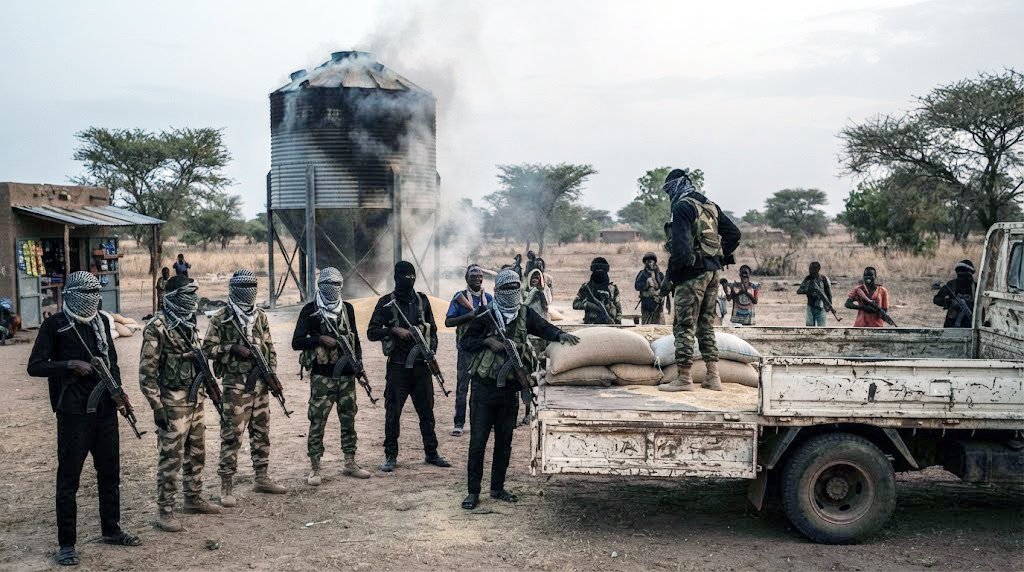
The abduction of a Kebbi State High Court judge and the earlier kidnapping of the Chairman of Bungudu Local Government Area in Zamfara State mark a troubling shift in Nigeria’s security landscape. They suggest that armed bandit groups are no longer content with attacking vulnerable rural communities and travellers. Increasingly, they are targeting public officials whose abduction carries political, institutional and psychological consequences.
Justice Faruku Hassan Bunza was abducted from his residence in Bunza Local Government Area of Kebbi State on Sunday, July 26, 2026, only days after gunmen stormed the home of Bungudu Local Government Chairman, Hon. Nura Umar Abdullahi, in Zamfara State. Four people—including two police officers and two local vigilantes—were killed while trying to repel the attackers.
Taken together, the incidents point to a disturbing evolution in the tactics of armed groups operating across the North-West. While kidnapping for ransom remains their principal source of funding, the selection of increasingly prominent victims suggests a broader objective: demonstrating reach, undermining public confidence in the state and projecting an image of growing strength.
A Changing Pattern of Violence
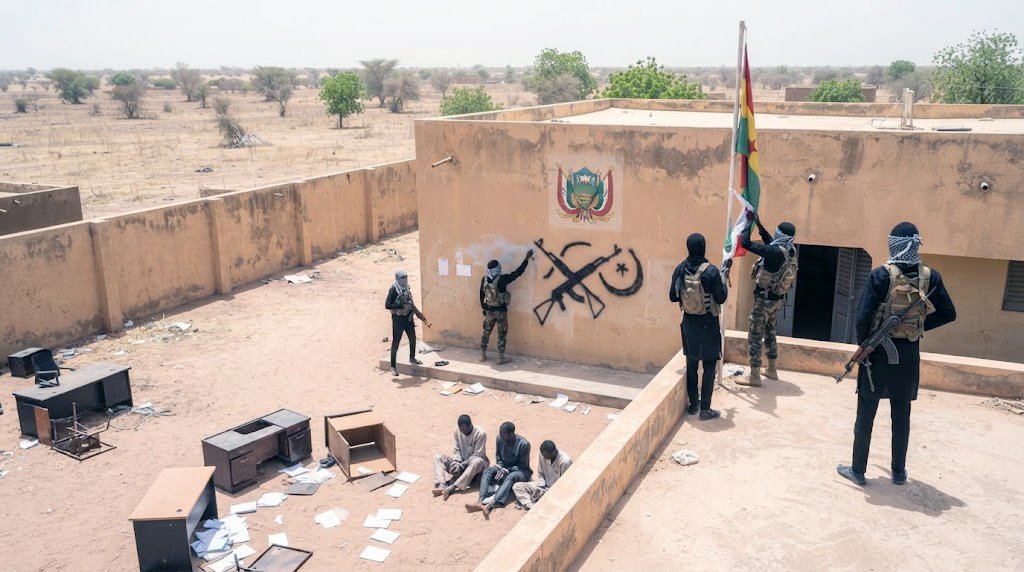
Banditry in the North-West has traditionally been associated with village raids, cattle rustling, highway ambushes and the abduction of farmers, traders and commuters. Those crimes continue unabated, but recent attacks indicate that criminal groups are broadening their target profile.
The kidnapping of a serving High Court judge is more than a criminal act against an individual. It represents an attack on the justice system and raises serious concerns about the security of those entrusted with administering the law. The abduction of a serving local government chairman similarly strikes at the grassroots of democratic governance.
These attacks are not significant merely because of who the victims are. They reflect the growing confidence of criminal networks willing to confront symbols of state authority.
The Kachalla Maha Warning
The latest incidents have renewed attention on Kachalla Maha, one of the North-West’s most notorious bandit leaders.
Maha was linked to the kidnapping of retired Major General Rabe Abubakar, who later died in captivity. He also gained notoriety for publicly claiming that his network possessed the capability to abduct governors and other senior government officials.
More concerning were his allegations that bandit groups received intelligence from compromised security personnel, enabling them to monitor security deployments and evade arrest.
Such claims should be approached with caution. Criminal leaders often exaggerate their capabilities to intimidate the public and bolster their reputation. However, the recent targeting of senior public officials underscores the need to take evolving threats seriously, regardless of the source of the warning.
A Broader Security Trend
The kidnappings in Kebbi and Zamfara do not exist in isolation. They fit into a broader pattern of insecurity that has persisted despite sustained military operations across the North-West.
Although security forces have eliminated several notorious commanders and dismantled numerous criminal camps, bandit groups continue to demonstrate the capacity to regroup and adapt.
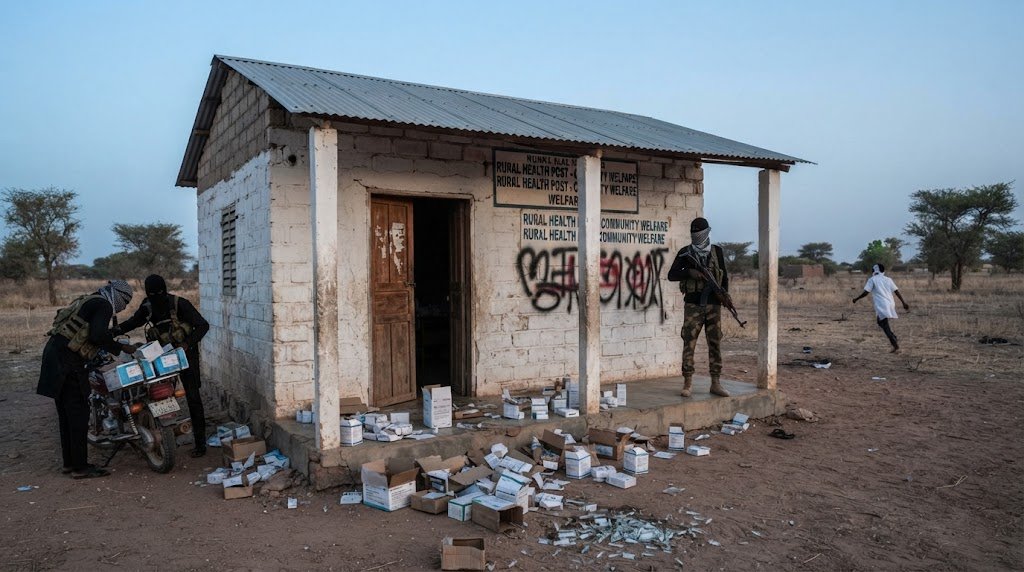
Recent trends include persistent attacks on traditional rulers and district heads, repeated ambushes along major highways linking Zamfara, Katsina, Sokoto and Kebbi, mass kidnappings of travellers and farming communities, assaults on government facilities and evidence of careful surveillance before major attacks.
Security agencies have also arrested suspected informants accused of supplying operational intelligence to criminal groups. While each case must be assessed on its merits, such arrests reinforce longstanding concerns that insider collaboration remains one of the enablers of bandit operations.
These developments indicate that many armed groups have evolved into organised criminal enterprises with access to intelligence, logistics, financing and local support networks.
Why Public Officials Are Increasingly Vulnerable
Targeting prominent public officials offers criminal groups advantages that extend well beyond financial gain.
Such kidnappings generate widespread media attention, heighten public anxiety, expose weaknesses in state security arrangements and place government under intense pressure to respond. They also reinforce the perception that armed groups can strike even those protected by the state.
In effect, these operations serve both economic and psychological purposes.
Could Higher-Profile Targets Be Next?
The recent attacks have inevitably prompted questions about whether even more senior public officials could become future targets.
There is currently no publicly available evidence that any sitting governor faces an imminent kidnapping threat. Nevertheless, the trajectory of recent events warrants close attention.
Nigeria has seen armed groups steadily expand the range of their targets over the years. Military installations once considered secure have come under attack. Correctional facilities have been breached. Traditional rulers, legislators, commissioners and other senior officials have all been attacked or abducted in different parts of the country.
Against that backdrop, security planners cannot afford to dismiss the possibility that criminal groups may seek increasingly symbolic targets as they pursue greater publicity, leverage and financial rewards.
The Intelligence Gap
One recurring feature of many high-profile kidnappings is the apparent level of preparation involved.
Attackers often display detailed knowledge of their victims’ residences, movements and security arrangements. Such operations are rarely spontaneous. They depend on surveillance, reconnaissance and, in some instances, insider information.
This makes intelligence—and counter-intelligence—as important as battlefield operations.
Military offensives can disrupt criminal camps and eliminate key commanders, but they cannot by themselves dismantle the networks that provide information, logistics and local support. Without addressing those underlying enablers, security gains are likely to remain temporary.
Looking Beyond Military Force
The armed forces deserve recognition for recent successes against bandit groups, including the rescue of kidnapped victims, the destruction of criminal enclaves and the neutralisation of several notorious commanders.
Yet experience has shown that military operations alone cannot permanently resolve the crisis.
A sustainable response requires stronger intelligence-led policing, improved inter-agency coordination, community-based early warning systems, tighter border security, disruption of criminal financing, enhanced surveillance capabilities, rigorous counter-intelligence measures and the swift prosecution of arrested suspects.
Equally important is strengthening protective security for judges, prosecutors, traditional rulers, local government officials and other public office holders serving in high-risk areas.
An Early Warning, Not an Isolated Incident
The kidnappings of Hon. Nura Umar Abdullahi and Justice Faruku Hassan Bunza should be understood within the context of an evolving security environment rather than as isolated criminal incidents.
While there is no evidence that Nigeria has reached the point where governors or other top political office holders face imminent kidnapping threats, recent events demonstrate that armed groups are becoming increasingly audacious in their choice of targets.
For policymakers and security agencies, the lesson is clear. Criminal networks are adapting, refining their methods and testing the limits of state authority. Responding effectively will require more than reactive operations after each attack. It demands stronger intelligence, better protection for vulnerable public officials and sustained efforts to dismantle the criminal infrastructure that allows banditry to persist.
The warning signs are already visible. Whether they are acted upon may determine the next phase of Nigeria’s internal security challenge.





Leave feedback about this