
Africa CDC: No Approved Vaccine for Current Ebola Strain
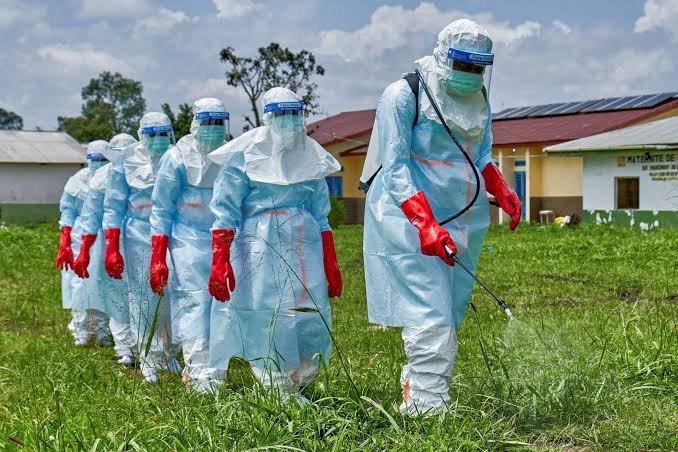
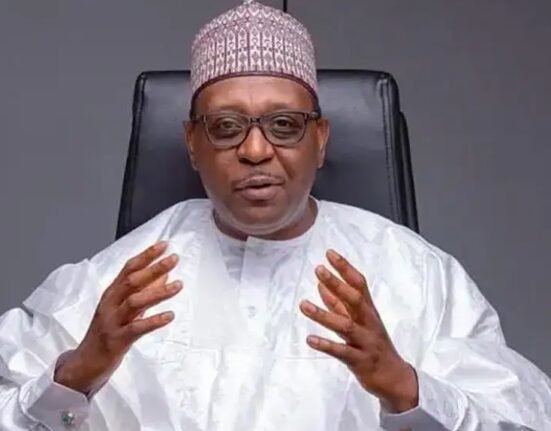
The Director-General of the Africa Centres for Disease Control and Prevention (Africa CDC), Dr Jean Kaseya, has criticised what he described as inadequate international investment in vaccines for the Bundibugyo strain of Ebola, warning that the outbreak requires urgent, coordinated action by African countries and their global partners.
Kaseya said the absence of an available vaccine specifically targeting the strain exposed gaps in global health research priorities, urging African governments to invest more in vaccine development, local manufacturing, diagnostic capacity and medicines.
He made the remarks during an interview on Channels Television’s The Morning Brief on Thursday, October 22.
According to him, the current outbreak is caused by the Bundibugyo virus, a strain that has received less research attention than the Zaire strain, which has been responsible for more frequent outbreaks.
Kaseya said the Bundibugyo strain had caused three recorded outbreaks, beginning in Uganda 19 years ago, followed by an outbreak in the Democratic Republic of the Congo (DRC), before the current outbreak.
He argued that the limited attention given to developing a vaccine for the strain reflected disparities in global health priorities, suggesting that research efforts might have progressed more rapidly if the outbreak had occurred in Western countries.
“If this outbreak were in Western countries, a vaccine would already be available,” he said.
The Africa CDC chief disclosed that the agency had initiated clinical trials of potential vaccines, including collaboration with an African manufacturer in Egypt to develop a vaccine targeting the Bundibugyo strain.
He added that the agency was working with authorities in the DRC and Uganda to facilitate clinical trials and compassionate use of Ervebo, a vaccine developed against the Zaire strain.
However, the Zaire-strain vaccine is not an established vaccine for the Bundibugyo strain, underscoring the need for targeted research and development.
Kaseya also called for stronger African ownership of public health emergency responses through increased domestic funding, improved coordination among international partners and expanded regional vaccine production.
He disclosed that 28 African countries had contributed funding towards the response, describing the support as evidence of growing commitment to addressing health emergencies through continental cooperation.
Africa CDC Supports Nigeria’s Response
On Nigeria’s response to the outbreak, Kaseya commended the Nigeria Centre for Disease Control and Prevention (NCDC), saying the Africa CDC was providing technical and logistical support to strengthen containment efforts.
He said the agency had mobilised personnel and diagnostic test kits, while awaiting Nigeria’s national response plan to guide further assistance.
Kaseya urged African leaders to avoid politicising the outbreak or blaming one another, warning that a failure to coordinate the response could increase the risk of further transmission across borders.
“We cannot play politics with this outbreak. We need to come together. We cannot point fingers. We need to come together,” he said.
He also called on international partners to support containment efforts in Africa before the outbreak spread further, stressing that the consequences could extend beyond the continent.
Investigation Into Nigeria’s Imported Case
Kaseya said health authorities were working to establish the source of Nigeria’s confirmed case, involving a woman who travelled to Uganda before returning to Abuja with her husband on October 3.
He said investigators were seeking information about the woman’s movements, including whether she had travelled to the DRC, visited areas outside Kampala or had contact with people arriving from the affected country.
According to him, cooperation from the woman would help Nigerian and Ugandan authorities reconstruct her travel and exposure history, strengthen contact tracing and avoid unnecessary diplomatic tensions.
He said he was in contact with relevant authorities in Nigeria, Uganda and the DRC as investigations continued.
Nigeria Intensifies Containment Measures
Nigeria has confirmed one imported case of Ebola Bundibugyo virus disease in the Federal Capital Territory, according to the report by PUNCH Healthwise. The country was identified as the fifth to detect the virus since the outbreak was declared in the DRC on May 15, 2026.
Laboratory tests confirmed the infection on October 20. The Federal Ministry of Health and Social Welfare said the patient, a woman with a recent travel history to Uganda, developed symptoms on October 7, four days after arriving in Nigeria.
She reportedly sought treatment at a private health facility in Abuja on October 11 and is currently in isolation receiving medical care.
The ministry said investigations were ongoing to establish the likely source of infection and reconstruct the patient’s travel and exposure history.
At the time of the report, 44 contacts had been identified and were being monitored, while infection prevention and control measures had been strengthened at the health facility where she initially sought treatment.
The NCDC has also activated its incident management system to coordinate Nigeria’s response.
According to the report, the patient was initially treated for malaria-like symptoms, but her condition failed to improve. Her travel history subsequently raised suspicion among attending doctors, prompting further investigations and laboratory testing.
The World Health Organisation describes Bundibugyo virus disease as a severe and potentially fatal illness caused by the Bundibugyo virus.
The Africa CDC has called for sustained international support, stronger surveillance and coordinated action to contain the outbreak, while emphasising the need for Africa to build the research and manufacturing capacity required to respond more effectively to future epidemics.


Leave feedback about this