

2027: INEC Establishes AI Division to Verify Results, Combat Deepfakes
The Independent National Electoral Commission has established a dedicated Artificial Intelligence Division within its Information and Communications Technology Department to strengthen election results verification and combat disinformation ahead of the 2027 general elections.
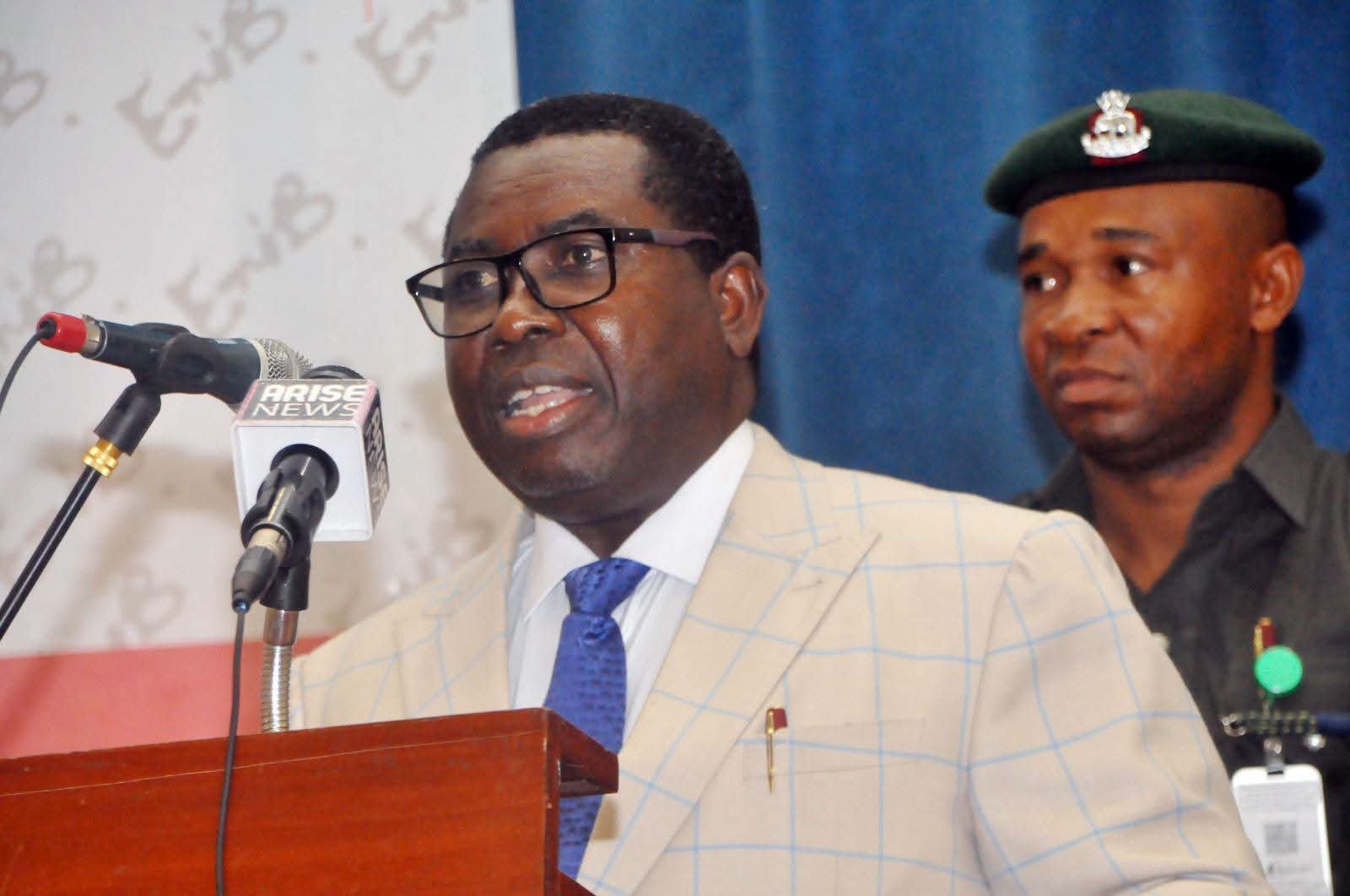
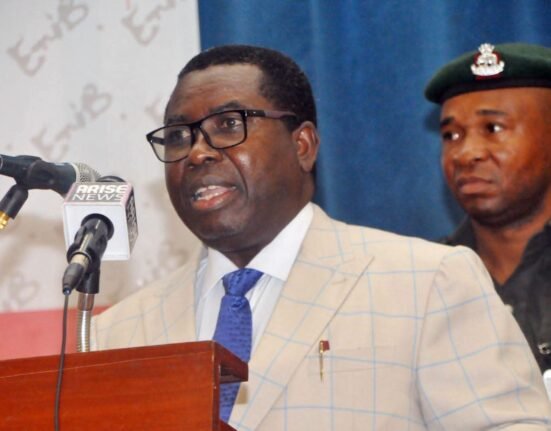
The INEC Chairman, Prof. Joash Amupitan, disclosed this on Tuesday while presenting an update on the commission’s preparations for the elections at a World Press Conference and National Stakeholders Meeting in Abuja.
Amupitan said automated AI auditing tools had already been integrated into the commission’s results verification process as part of efforts to detect anomalies and strengthen the integrity of election data.
He said the deployment would operate under a five-pillar AI governance framework with mandatory human oversight, while the commission was finalising its AI governance policy.
“The commission has established a dedicated artificial intelligence division within the ICT department. Automated AI auditing tools have been integrated into our results verification process, under a five-pillar AI governance framework, operating under mandatory human oversight,” he said.
The INEC chairman said the commission was also working with international technology partners to integrate AI-driven anomaly detection tools into its electoral processes.
Amupitan expressed concern over the growing use of generative artificial intelligence, voice cloning and deepfake videos to fabricate the voices of election officials, result sheets and other official documents.
He warned that the threat extended beyond individual false claims, noting that highly convincing fabricated content could undermine public confidence in authentic information released by constitutional authorities.
“The greater danger is not any single falsehood. When deepfakes render lies believable, real truth is treated with scepticism, and cynicism replaces civil engagement,” he said.
He said INEC would combine technological measures with public education and collaboration with the media to address the emerging threat.
The chairman urged journalists and media organisations to deploy appropriate digital forensic tools and verify election-related information before publication, particularly as AI-generated content becomes increasingly difficult to distinguish from authentic material.
He also cautioned media organisations against publishing privately collated results or making premature declarations, stressing that the statutory responsibility for declaring election results rests with INEC.
“Resist the declaration of privately collated results, because under the Electoral Act, the authority to declare results rests exclusively with the Commission,” Amupitan said.
Beyond its AI initiative, INEC said it was strengthening its election technology ahead of the 2027 polls. The commission said it was upgrading its Bimodal Voter Accreditation System devices and conducting nationwide audits and stress tests.
It also announced plans for a nationwide mock accreditation exercise in November to assess the readiness and performance of its electoral technology.
The commission further disclosed plans to establish a situation room for real-time monitoring before, during and after the elections.
It added that training and technical support for election personnel would continue as part of preparations for the 2027 general elections.



Leave feedback about this