

The Allied Peoples Movement (APM) has been hit by an internal crisis after six South-South state chairmen passed a vote of no confidence in the party’s presidential candidate, Oyo State Governor Seyi Makinde, over his handling of preparations for the 2027 general elections.
The chairmen accused Makinde of sidelining established party structures and appointing campaign coordinators who, according to them, are not members of the party.
In a joint statement issued on Wednesday, the state chairmen expressed dissatisfaction with what they described as a lack of consultation and engagement with recognised party leaders in organising the presidential campaign.
The six state chairmen said they were worried over ‘inadequate recognition, consultation and engagement with the party’s established leadership in organising the presidential campaign.’
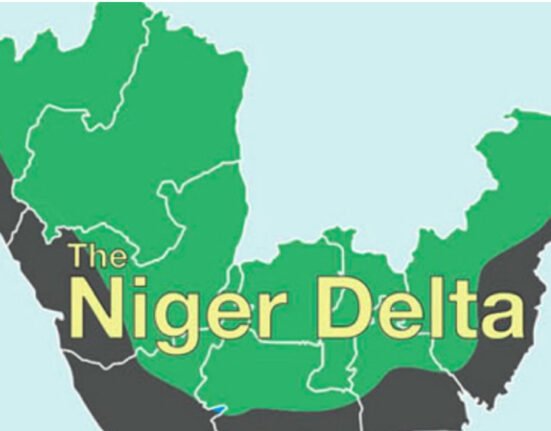
The statement was signed by Dagodog Whyte of Rivers State, Peace Osarama of Bayelsa State, Utuku Abangaye Edet of Akwa Ibom State, Ugoigwe Onyeka Ogechukwu of Edo State, Prince Henry Ese of Delta State and Ntami Nkanu Esage of Cross River State.
They questioned Makinde’s leadership approach, alleging that he had failed to recognise the contributions of existing party structures and was advancing his personal political ambition at the expense of the party’s established leadership.
The chairmen also raised allegations of dishonesty, financial impropriety and incompetence against the governor, although the statement did not provide detailed evidence to substantiate the claims.
Despite their rejection of Makinde’s campaign leadership, the six chairmen expressed confidence in the party’s National Working Committee, led by National Chairman Yusuf Mamman Dantalle, and called for stronger efforts to build the party ahead of the elections.
They also backed Bauchi State Governor Bala Mohammed, whom they described as the party’s national leader.
The South-South leaders, however, said they had yet to decide their position on the 2027 presidential election, indicating that they would reconvene to determine their next steps.
The development adds to the growing internal disagreements within the APM over campaign coordination and the role of established party executives as political activities intensify ahead of the 2027 elections.