
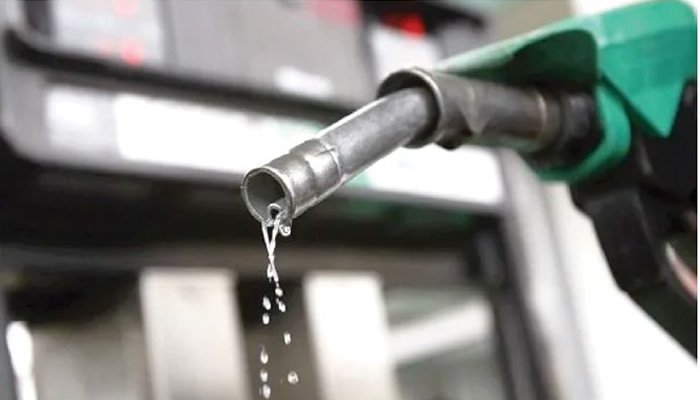
Dr. Tijjani Ahmad, a senior lecturer at Hussaini Adamu Polytechnic, Kazaure, has attributed the recent fuel price hike in Nigeria to global oil price changes, logistics constraints, and the nation’s historical dependence on fuel imports.
Speaking exclusively to our correspondent, Dr. Ahmad explained that Nigeria remains highly vulnerable to shocks in the international crude oil market despite being a major producer. “We produce crude, but we lack sufficient domestic refining capacity. Until the Dangote Refinery and other modular refineries achieve full operational stability, Nigeria will continue to import refined petroleum products. That means global prices directly dictate what Nigerians pay at the pump,” he said.
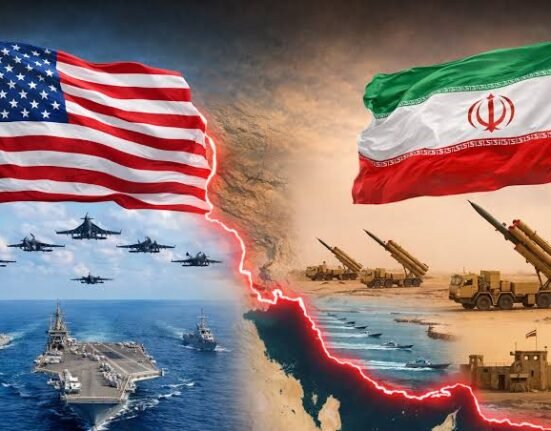
He noted that recent geopolitical tensions in the Middle East, including supply disruptions in the Red Sea and production cuts by OPEC+ members, have pushed Brent crude above $90 per barrel — a level not seen in nearly two years. “When crude prices rise, the cost of importing petrol rises proportionally. And because the exchange rate remains volatile, marketers pass those costs to consumers,” Ahmad added.
Other analysts have pointed to additional domestic factors. Mr. Adewale Ogunleye, an energy economist based in Lagos, told reporters that the removal of the fuel subsidy in 2023, while fiscally necessary, exposed Nigerians to the full volatility of global markets. “Under the subsidy regime, the government absorbed price swings. Now, the market determines prices. That is what you are seeing — a direct transmission of global oil shocks to Nigerian households.”
Logistics constraints also play a significant role. The poor condition of major roads, insecurity along supply routes, and recent flooding in some coastal distribution hubs have increased the cost of moving petrol from ports to inland stations. “Fuel that lands in Lagos at a certain price can cost 20 to 30 percent more by the time it reaches Maiduguri or Sokoto simply because of bad roads, multiple checkpoints, and the need for armed escorts in certain regions,” said Hajia Fatima Bello, a petroleum products transporter based in Kano.
The National Bureau of Statistics (NBS) reported in its latest “Premium Motor Spirit Price Watch” that the average retail price of petrol surged to N1,532.93 per litre nationwide in April 2026, up from N1,275 in December 2025. In some states, prices have crossed the N1,600 mark.
Marketers under the aegis of the Independent Petroleum Marketers Association of Nigeria (IPMAN) have called on the federal government to intervene, not by reintroducing subsidy, but by addressing the structural issues — security in the downstream sector, foreign exchange access, and support for local refining.
Meanwhile, the Nigerian Midstream and Downstream Petroleum Regulatory Authority (NMDPRA) has maintained that there is no plan to cap prices. A spokesperson stated, “Nigeria has deregulated its downstream sector. Prices will rise and fall based on market realities. We encourage Nigerians to embrace the long-term benefits of competition and domestic refining.”
As the debate rages, ordinary Nigerians bear the brunt. In Minna, commercial drivers have increased fares by as much as 40 percent. “I used to buy fuel for N1,100 per litre last month. Today, it’s N1,550,” said Yusuf Abubakar, a minibus driver. “If I don’t increase fares, I cannot feed my family.”
Dr. Ahmad warns that without urgent investment in domestic refining and alternative energy sources, Nigeria will remain trapped in a cycle of global oil shocks and local suffering. “We are not powerless. We have gas, solar potential, and the Dangote Refinery. But these must be prioritised with the urgency of a nation in crisis.”