
By Ozumi Abdul
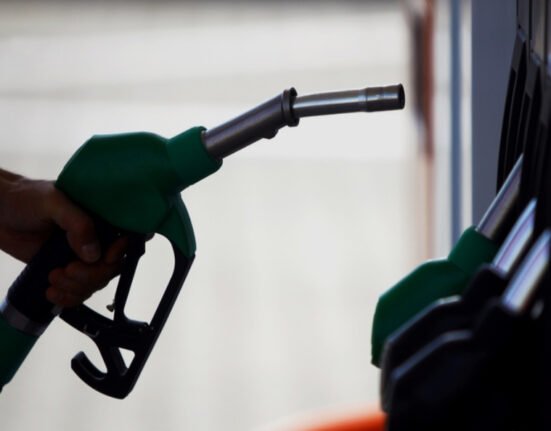
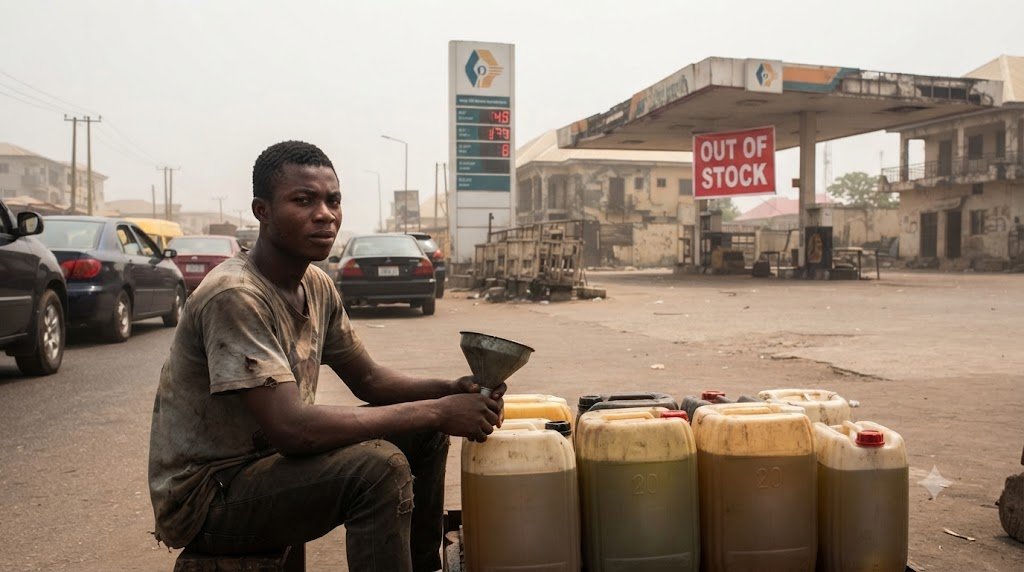
Nigeria’s petrol market has witnessed a dramatic shift in just two months. After hitting a record national average of N1,596.25 per litre in May 2026, according to the National Bureau of Statistics (NBS), pump prices have gradually declined following a series of price cuts by the Dangote Refinery and other marketers.
By July 2026, retail prices across the country range between N1,100 and N1,400 per litre, depending on location and marketer.
While the decline offers some relief to motorists, the figures show that millions of Nigerians are still paying significantly more for fuel than they did a year ago, and the expected reduction in the cost of living has yet to materialise.
The numbers reveal the scale of the price fluctuations. In May 2025, the average retail price of petrol stood at N1,027.76 per litre. Twelve months later, it climbed to N1,596.25, representing a 55.31 per cent year-on-year increase and one of the steepest annual rises since the full deregulation of the downstream petroleum sector.


Although the current July prices represent a decline of between 12 and 31 per cent from the May peak, motorists are still paying between 7 and 36 per cent more than they were at the same period last year, depending on the retail outlet.
For millions of Nigerians, the impact extends far beyond filling stations. Petrol powers commercial transport, private vehicles, electricity generators, agricultural processing equipment and small businesses. Every increase in fuel prices raises production and transportation costs, which are eventually transferred to consumers through higher prices of food, goods and services.
Even though petrol prices have started to fall, those downstream costs have remained largely unchanged.
The financial implications are substantial. A commercial driver who consumes 40 litres of petrol daily spent about N41,110 each day in May 2025. At the May 2026 average price, that daily expenditure rose to nearly N63,850, adding approximately N22,740 every day to operating costs. Even at the current average July price of around N1,250 per litre, the same driver still spends about N50,000 daily, which is considerably higher than a year ago.
For transport operators running several vehicles, the additional monthly expenses run into hundreds of thousands of naira.
Private motorists face a similar reality. A worker buying 50 litres of petrol every week spent roughly N51,400 weekly in May 2025. That figure increased to almost N80,000 at the May 2026 peak. Although current prices have reduced the weekly cost to between N55,000 and N70,000, many households continue to spend far more on transportation than they budgeted for last year.
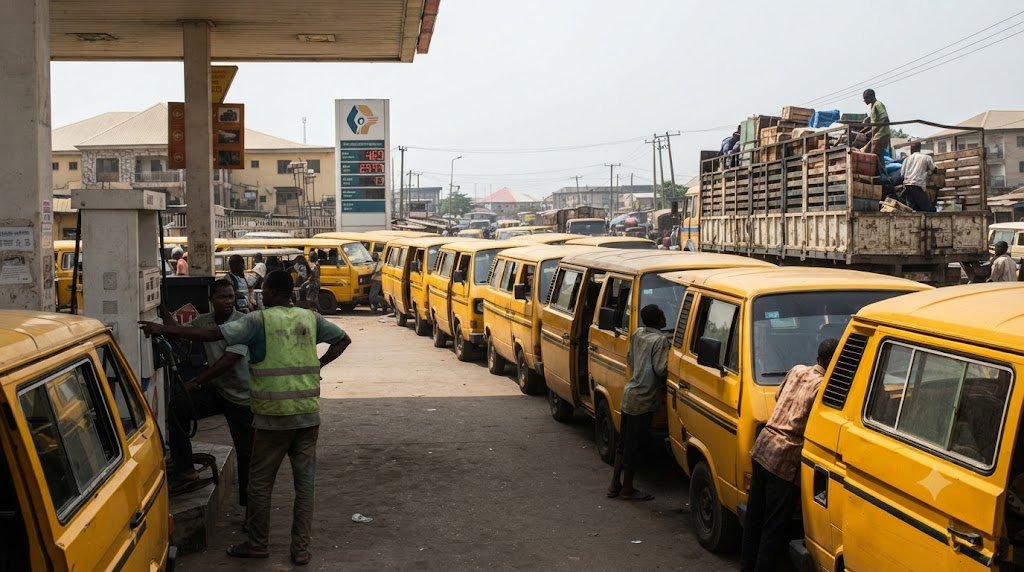
The decline in petrol prices has not translated into cheaper transport fares. Across major cities including Abuja, Lagos, Kano and Port Harcourt, commuters continue to pay fares introduced when petrol sold above N1,500 per litre. Transport unions argue that vehicle maintenance costs, spare parts, tyres, engine oil and other operating expenses have continued to rise, making it difficult to reduce fares despite lower pump prices.
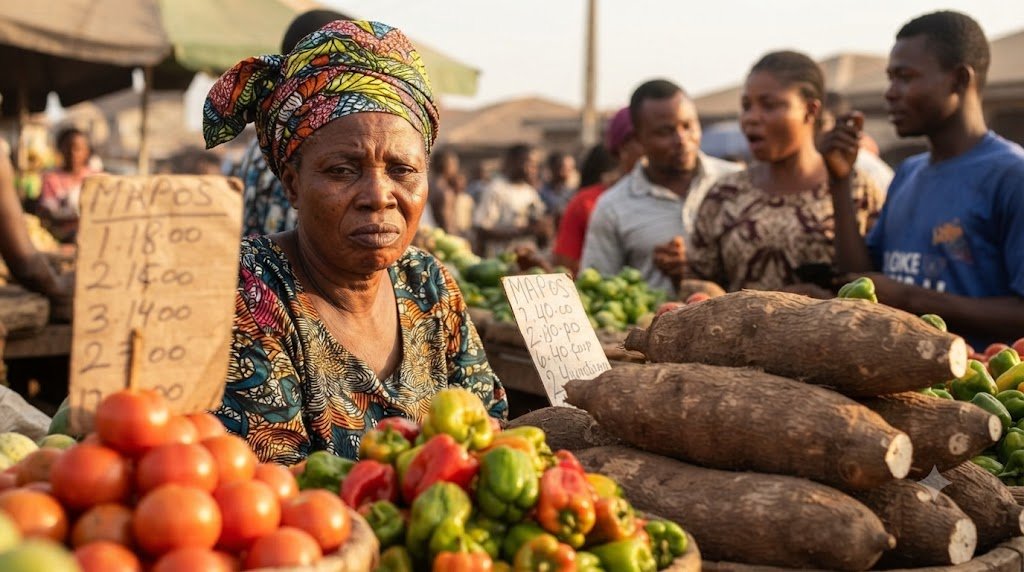
The same trend is evident in food markets. Farmers, wholesalers and retailers increased transportation charges during the period of record-high fuel prices, pushing food inflation to elevated levels.
Although petrol prices have moderated, food prices have remained stubbornly high because transporters and distributors have not reduced their charges proportionately. As a result, households are yet to experience meaningful savings in their weekly food budgets.
The continued disconnect between falling petrol prices and persistently high consumer prices underscores the complexity of Nigeria’s inflation challenge. Fuel is only one component of production costs. Exchange rate volatility, insecurity affecting food-producing communities, poor road infrastructure and high electricity costs continue to exert pressure on businesses. Consequently, a reduction in petrol prices alone is insufficient to reverse inflationary trends.
The latest market movements also raise important questions about the effectiveness of domestic refining in stabilising prices. One of the expectations following the commencement of large-scale production at the Dangote Refinery was that local refining would reduce dependence on imported fuel, lower logistics costs and ultimately deliver cheaper petrol to consumers.
While successive refinery price cuts have helped reduce pump prices from the May peak, the benefits have not yet spread across the wider economy.
Data suggest that Nigeria’s downstream market is entering a more competitive phase, with refiners and marketers adjusting prices in response to market conditions. However, the persistence of high transport fares and food prices indicates that consumers often experience price increases immediately but wait much longer before enjoying the benefits of price reductions.
For policymakers, the figures present a mixed picture. The reduction in pump prices demonstrates that market competition can influence fuel costs. Yet the inability of those reductions to significantly lower transport fares or consumer prices suggests that structural issues within the economy continue to weaken the transmission of lower energy costs to households.
Ultimately, the latest petrol price trends tell two different stories. The first is one of progress, with prices retreating from historic highs after months of sustained increases.
The second is a reminder that for ordinary Nigerians, lower pump prices alone do not necessarily mean a lower cost of living. Until transport costs, food prices and other essential expenses begin to decline alongside petrol prices, the relief promised by falling fuel costs will remain largely invisible in the daily lives of millions of citizens.