
When the Nigeria Electricity Liability Management Company (NELMCO) convened its second Annual Strategic Stakeholders’ Engagement in Abuja on October 14, 2025, it was far more than a routine meeting. Over forty civil society organizations (CSOs) attended, reflecting a renewed commitment to rescue Nigeria’s embattled power sector—still plagued by decades-old debts, operational inefficiencies, and public distrust.
Themed “Establishing a National Power Assets Register for Nigeria’s Power Sector,” the forum underscored a bold ambition: to bring transparency, data-driven accountability, and genuine reform to the electricity value chain.
At the center of the gathering was Mojoyinoluwa Dekalu-Thomas, Managing Director/CEO of NELMCO. She reiterated that the company remains pivotal to the federal government’s efforts to stabilize the Nigerian Electricity Supply Industry (NESI) by addressing post-privatization debts and long-standing liabilities inherited from the defunct Power Holding Company of Nigeria (PHCN).
Participants reviewed NELMCO’s progress in managing legacy liabilities and commended the company’s proactive steps toward sector reform. Highlights included widespread recognition of Mrs.
Dekalu-Thomas’s visionary leadership in fostering openness, professionalism, and integrity in public asset management. Stakeholders also acknowledged NELMCO’s strategic recovery of encumbered government properties and its transparent management of both pre- and post-privatization liabilities.
Notably, NELMCO’s structured asset sale initiative has delivered impressive returns: ₦22 billion from the first sale batch and ₦8 billion from the second—conducted under transparent, publicly accountable procedures. The company’s regularly updated Compendium of Assets, accessible through open data rooms, was highlighted as a practical example of accountability and a deterrent against mismanagement.
The forum also lauded NELMCO’s continued efforts to settle outstanding claims of ex-staff and retirees affected by privatization, reflecting a strong social conscience.
However, the significance of the meeting extends beyond numbers or legal obligations. By actively engaging CSOs, NELMCO appears to be signaling a paradigm shift in power-sector governance—opening doors to public scrutiny, data-driven decisions, and a long-term roadmap toward efficiency, reliability, and equitable electricity delivery.
NELMCO’s Mandate And The Stakes For Nigeria’s Power Sector
Established under the Electricity Power Sector Reform Act 2005 (EPSR) and formally incorporated in 2006, NELMCO was tasked with managing PHCN’s liabilities and non-core assets. Following PHCN’s privatization in November 2013, many historical debts, unpaid obligations, and stranded assets were transferred to NELMCO.
Success in this role is not merely about bookkeeping. It enables generation companies (GenCos), distribution companies (DisCos), and the transmission infrastructure to operate unburdened by legacy liabilities. Failure by NELMCO would leave the sector precariously exposed.
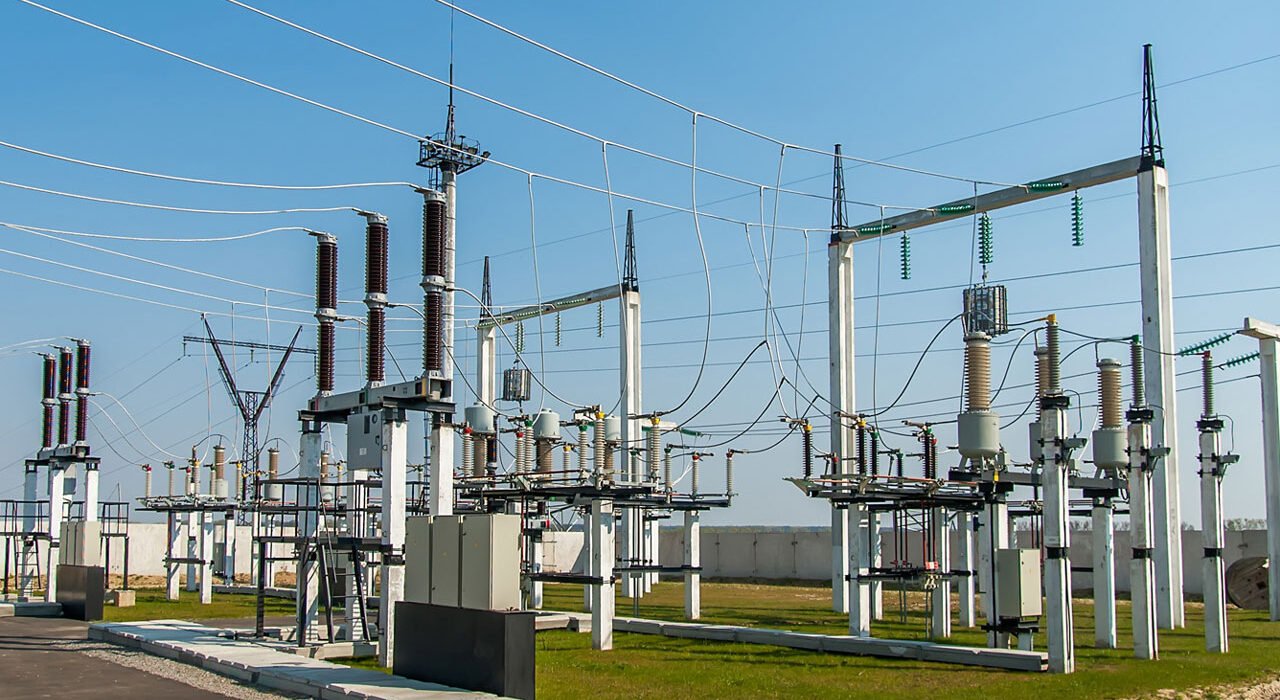
The proposed National Power Assets Register (NPAR), which seeks to catalogue all generation, transmission, distribution, and ancillary power assets including non-core legacy assets could become a defining moment in Nigeria’s decades-long quest for reliable electricity.
Key Takeaways From The 2025 NELMCO-CSO Engagement
The following are key insights from the landmark engagement;
Renewed Political and Institutional Backing
Under the current administration’s Renewed Hope Agenda, NELMCO has been explicitly tasked with delivering measurable progress and operational efficiency in the electricity sector.
Civil Society as Watchdogs and Partners
Involving over 40 CSOs from grassroots advocacy groups to sector-specific watchdogs, signals a move from closed-door technocracy to multi-stakeholder governance. Comrade Dominic Ogakwu, speaking on behalf of the CSOs, praised NELMCO’s “visionary and reform-oriented” stewardship, reflecting growing stakeholder confidence.
The National Power Assets Register: Data as the Foundation of Reform
The NPAR aims to create a transparent, publicly accessible database of physical infrastructure and liabilities, serving as a baseline for asset valuation, disposal, or rehabilitation. It will also track maintenance, performance, and investments while preventing misappropriation and ensuring accountability.
Acknowledgment of Complexity and a Roadmap for Reform
Mrs. Dekalu-Thomas admitted that managing inherited liabilities is complex but stressed that NELMCO has developed mechanisms to ease, if not eliminate, the financial burden constraining sector growth.
The consensus at the event was clear: sustained collaboration among NELMCO, CSOs, government agencies, sector players, and the public is essential for a stable, efficient power sector.
Why Civil Society Engagement Matters
NELMCO’s inclusion of CSOs in its strategic roadmap is more than symbolic. Sustainable reform in Nigeria cannot succeed without transparency, public trust, and participatory governance. Across other sectors, CSOs have played critical roles in rooting out corruption, ensuring accountability, and giving citizens a voice.
By consciously aligning with civil society, NELMCO is creating a model where the public is a partner and watchdog rather than a passive observer. This could transform the narrative around electricity from recurring crisis and empty promises to tangible delivery, inclusive oversight, and shared ownership.
The 2025 NELMCO-CSO engagement may well mark a watershed in Nigeria’s power-sector saga. The real test now lies in translating plans into action, ensuring political will, maintaining stakeholder discipline, and sustaining public vigilance.
If NELMCO follows through with the promised National Power Assets Register, clears inherited debts, manages non-core assets responsibly, and coordinates with other sector actors, Nigeria could lay the foundation for a stable, efficient, and accountable electricity system.
Conversely, failure would deepen public cynicism and impose greater hardship on citizens. For a country whose growth hinges on reliable electricity, the stakes could not be higher but for the first time in decades, there is a real chance that reform might deliver more than rhetoric.