


The Federal Cooperative College, Oji River, Enugu State, was established in 1976 to advance cooperative education and strengthen Nigeria’s cooperative sector. As the institution approaches its golden jubilee and maiden convocation ceremony, attention is turning to its future, with priorities including academic programme expansion, infrastructure development, increased national and global visibility, enhanced agricultural innovation and entrepreneurship.
CSO Newswatch Magazine, through CSO News 24, interviewed the Provost and Chief Executive Officer, Dr. Jude Ejikeme Obidiegwu, who assumed office in November 2024. He discussed his strategic plans towards repositioning the College, including the proposed Sustainable Agricultural Technology Learning Center (SALTC), partnerships, networks and curriculum refinement.
In this interview, Dr. Obidiegwu reflects on his administration’s priorities, the challenges facing the institution and his ambition to build a strong college community that transcend generations.
When you assumed office in November 2024, you inherited an institution with its own history, strengths and challenges. What did you see on the ground, what concerned you most, and what clear vision did you set for the Federal Cooperative College, Oji River?
When I assumed office, my vision was to build on the rich history of Federal Cooperative College, Oji River, while positioning the institution to respond more effectively to contemporary educational, economic and societal needs.
Like many public institutions, the College has experienced challenges, adjustments and periods of change. I believe these challenges should not define our future. Rather, they should inspire us to embrace new thinking, strengthen partnerships and renew our commitment to institutional development.
My vision is to build a college that delivers quality cooperative education, promotes agricultural innovation and entrepreneurship, develops practical and vocational skills, and contributes meaningfully to Nigeria’s national development.
I also believe that sustainable progress requires collective effort. The development of the College cannot depend on one individual; it must be a shared responsibility involving management, staff, students, alumni, government, development partners and the communities we serve.
Ultimately, my ambition is to leave behind an institution that is stronger, more relevant and better prepared to meet the needs of future generations.
Leadership is ultimately measured by the changes it brings. Nearly two years into your tenure, what fundamental reforms have you introduced in academic administration, institutional governance, staff welfare and students’ experience, and what has changed as a result?
For me, leadership goes beyond occupying an office or managing the day-to-day affairs of an institution. It is about creating an environment where people feel valued, ideas are welcomed. In principle, the work force and students needs to take ownership of the college. I call it shared prosperity. Our approach is anchored on teamwork, shared responsibility and a commitment to sustainable institutional development.
We are focused on strengthening staff capacity, expanding academic opportunities, improving infrastructure, promoting practical and industry-relevant learning, and deepening the College’s contribution to cooperative development.
We also recognise that institutional transformation must be supported by well-structured systems that is in agreement with extant laws. These structural reforms endure beyond the tenure of any individual. This means building a culture of excellent service and continuous improvement.
While there is still work to be done, our direction is clear: to create an institution where staff can perform effectively, students can acquire relevant knowledge and practical skills, and the College can fulfil its mandate more successfully.
Beyond speeches and policy pronouncements, what are the concrete achievements your administration can point to since November 2024? What figures, projects, outcomes or other verifiable evidence best demonstrate the progress made?
Our focus has been on laying a stronger foundation for the long-term development of Federal Cooperative College, Oji River.
Among the key initiatives reflecting this direction are the proposed Sustainable Agricultural Technology Learning Center (SALTC), expansion of academic programmes by introducing 6 new academic programmes, strengthening of staff capacity to deliver effective service through short courses and degree oriented studies at Msc and PhD levels, and initiatives to promote international collaboration and research opportunities. The proposed centre reflects our ambition to strengthen practical education and create more opportunities for students to acquire skills that can be applied in agriculture, entrepreneurship and related fields. Beyond this, we are committed to improving the College’s infrastructure in line with its evolving academic and institutional needs. We also recognise that infrastructure development must go hand in hand with staff development, curriculum improvement and effective partnerships. Buildings and facilities are important, but their real value lies in how effectively they support learning, innovation and institutional growth.
Our goal is to establish a stronger foundation that will enable the College to serve its students and the wider community more effectively for many years to come.
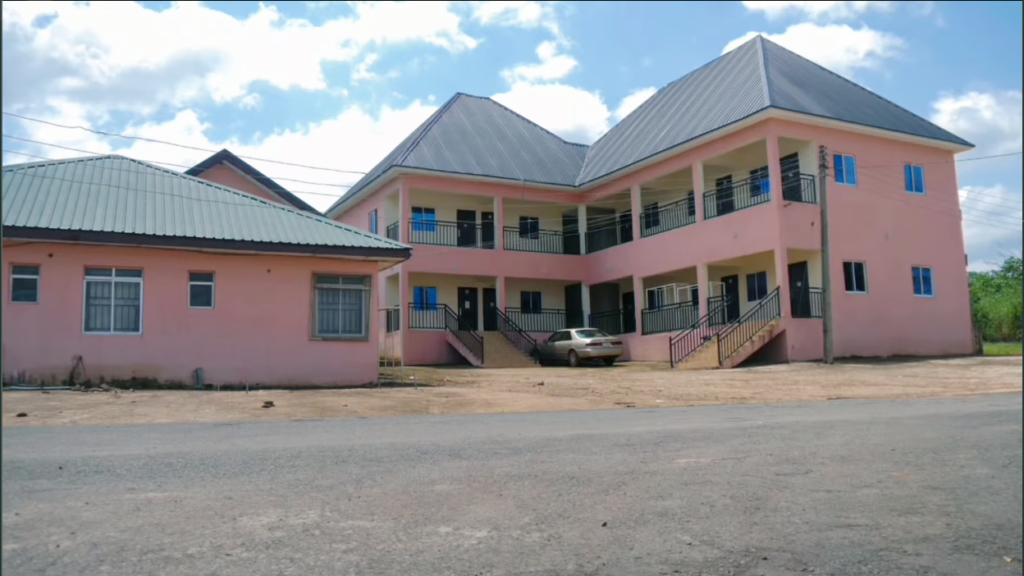
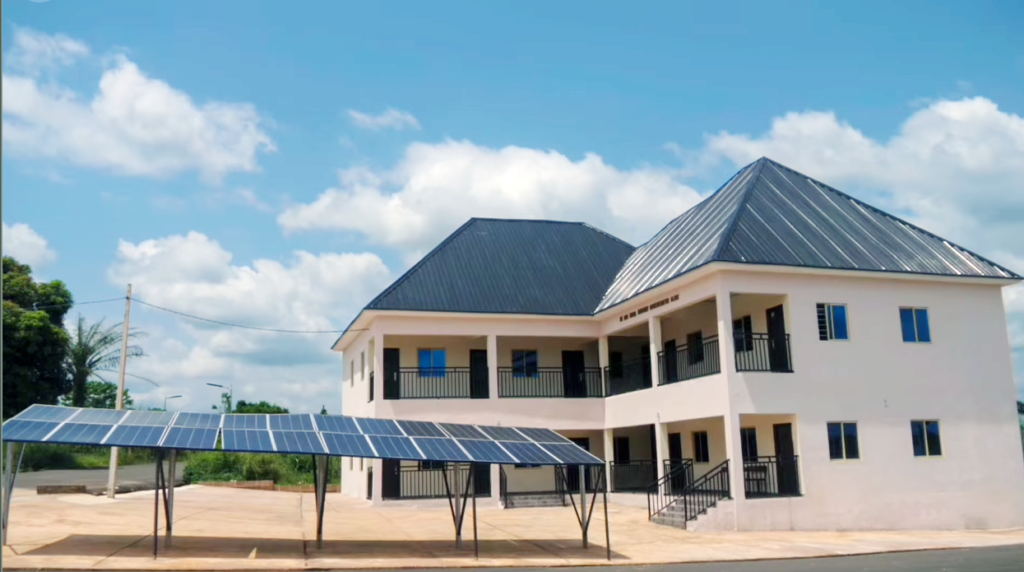
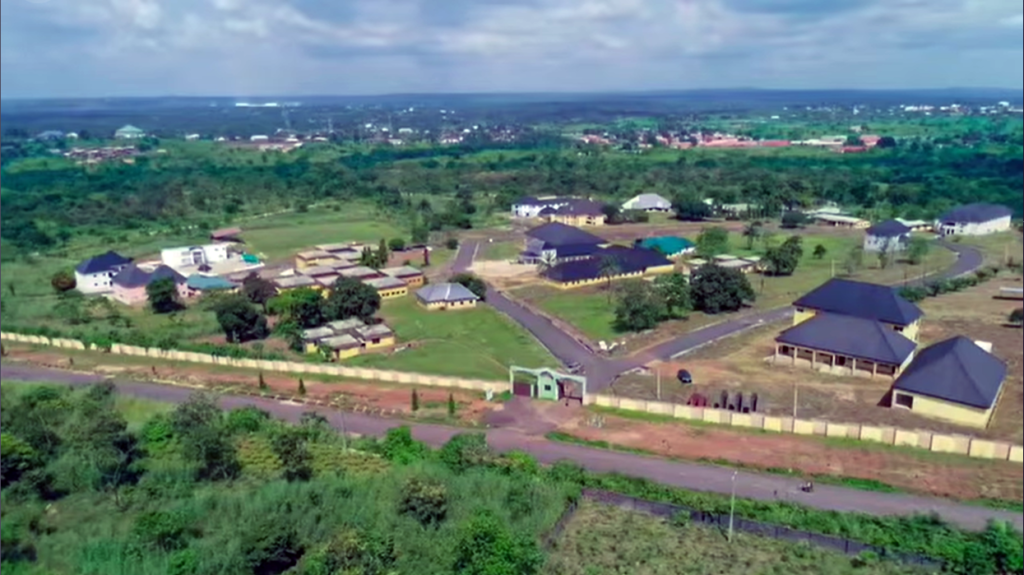
These priorities are intended to improve the quality of education we offer, enhance practical learning, and strengthen the College’s relevance to the cooperative sector, agriculture and entrepreneurship. It is noteworthy to highlight that we can done modestly well in terms of infrastructure. Within the last two years the management set up new accounts and bursary facility, a modern college health center, a new digitalized library complex, refurbishing of old cold hostels and free Wi-Fi network on campus. Most strategic is the expansion of the college space by acquisition of 22 hectares of land. This land space has been fenced and all development expansion will henceforth focus on this new land.
We are also looking beyond immediate achievements to consider the sustainability and long-term impact of our decisions. For us, progress must ultimately be measured by the quality of our graduates, their practical abilities, the opportunities created for communities, and the strength of the institution we leave behind.


The cooperative sector is changing, while agriculture, entrepreneurship and the digital economy are creating new opportunities and new demands. How are you reshaping the College’s academic programmes to ensure its graduates are equipped for the Nigeria of today—not the Nigeria of yesterday?
We recognise that cooperative education must continue to evolve in response to changes in the economy, agriculture, entrepreneurship and the wider society.
That is why expanding academic opportunities and promoting practical, industry-relevant learning are important elements of our vision for the College.
Our intention is to ensure that the programmes we offer remain relevant to the needs of students, cooperative organisations, employers and the communities we serve.
We want our graduates to leave the College with more than theoretical knowledge. They should possess practical abilities, an entrepreneurial mindset and the confidence to contribute meaningfully to their workplaces and communities.
The planned expansion of academic programmes is part of this broader ambition. We believe that a forward-looking institution must continually assess its relevance and seek ways to prepare its graduates for emerging opportunities.
As we look towards the future, our priority is to strengthen the College’s role in cooperative education while responding to the practical demands of national development.
Employability should not begin after graduation. What are you doing to turn the College into a stronger hub for research, innovation, entrepreneurship and practical skills, and how are these initiatives translating into opportunities for students and graduates?
We believe that education should prepare students not only to obtain qualifications but also to solve problems, create opportunities and contribute to society.
This is why we are emphasizing practical and industry-relevant learning as part of our institutional development priorities.
The SATLC is one of the initiatives intended to support this direction. It represents an opportunity to strengthen practical training and connect learning more closely with agricultural production, processing and entrepreneurship.
We are also committed to expanding academic opportunities and exposing staff to new knowledge and research opportunities. Strengthening the capacity of our academic community is essential to improving the quality of teaching, research and practical training.
Ultimately, we want our graduates to possess skills that can help them secure employment, establish enterprises and contribute to the development of cooperative societies and local communities.
Our measure of success will be the extent to which the knowledge and skills acquired at the College translate into meaningful opportunities beyond graduation.
Institutions are built by people. What has your administration done to strengthen staff capacity, motivation and welfare, while at the same time improving discipline, productivity and the quality of students’ learning experience?
I strongly believe that the success of any institution depends significantly on the quality, commitment and motivation of its people.
Staff members are central to the College’s ability to deliver quality education, conduct research and fulfil its mandate. For that reason, strengthening staff capacity is one of our major priorities.
We are committed to creating an institutional environment in which people feel valued, ideas are welcomed and every member of the College community understands their role in achieving our collective objectives.
We also recognise the importance of exposing staff to new knowledge, research opportunities and emerging developments in their respective fields. Such exposure can help improve professional competence and strengthen the quality of teaching and learning.
Our leadership philosophy emphasises teamwork, responsibility and service. We believe that when staff members are supported and encouraged to contribute their ideas and expertise, the entire institution benefits.
Our ultimate goal is to build a strong and motivated workforce capable of sustaining the College’s development and preparing students for the demands of the future.
Cooperatives can be powerful engines of grassroots economic development. How is the College moving beyond the classroom to deepen its relationship with cooperative societies, farmers, entrepreneurs, financial institutions and communities, and what tangible impact do you want this engagement to produce?
As Provost of the Federal Cooperative College, Oji River, our vision is to move beyond classroom teaching and position the College as a catalyst for grassroots economic development. We are strengthening engagement with cooperative societies, farmers, entrepreneurs, financial institutions and communities through practical training, field-based learning, business advisory services and strategic partnerships.
A key initiative is the proposed Thai–Nigeria Sustainable Agricultural Technology Learning Centre, which will promote practical skills in sustainable agriculture, aquaculture, value addition and enterprise development.
Ultimately, we want this engagement to produce stronger cooperative societies, more productive farmers, thriving small businesses, increased access to finance and markets, and sustainable job creation, particularly for young people and rural communities. Our goal is to measure the College’s success not only by the graduates we produce, but also by the livelihoods improved, enterprises established and communities transformed.
One of the notable international initiatives under your administration is the partnership with Thai institutions on sustainable agricultural technology. What is the story behind this partnership, why was Thailand considered an important partner, and what strategic gap is the collaboration designed to address?
The partnership with Thailand emerged from our determination to reposition the Federal Cooperative College, Oji River, as a centre for practical agricultural innovation, skills development and cooperative enterprise growth. We recognised that addressing Nigeria’s agricultural challenges requires more than conventional classroom education; it demands access to proven technologies, practical training and international collaboration.
Thailand was considered an important partner because of its experience in agricultural technology, aquaculture, smallholder farming and value-chain development. Through our collaboration with the Thailand International Cooperation Agency (TICA) and Kasetsart University, we saw an opportunity to adapt relevant Thai expertise to Nigeria’s agricultural realities.
The partnership is designed to address a strategic gap between agricultural knowledge and its practical application. Many farmers and cooperative societies lack access to modern production techniques, technology demonstration, enterprise management skills and effective value-addition systems. The proposed Thai–Nigeria Sustainable Agricultural Technology Learning Centre at the College will help bridge this gap through practical training, technology transfer, demonstration and community engagement.
Ultimately, our ambition is to transform the College into a living laboratory where knowledge becomes productive enterprise, farmers become more competitive, young people acquire marketable skills, and cooperative societies drive inclusive economic growth. The partnership is therefore not simply an international exchange; it is a strategic investment in Nigeria’s agricultural capacity, rural livelihoods and sustainable development.
Partnerships are meaningful only when they produce results. What should Nigerians, particularly farmers, students, researchers and cooperative organisations, expect from the Thailand–FCCO collaboration in terms of technology transfer, training, research, agricultural productivity, innovation and cooperative development?
The Thailand–FCCO collaboration is designed to deliver practical outcomes that go beyond diplomatic relations and the signing of agreements. Nigerians should expect a partnership that translates international expertise into local skills, improved agricultural practices and sustainable economic opportunities.
First, we expect technology transfer and practical training in sustainable agriculture, aquaculture, improved production techniques, post-harvest management and value addition. Through the proposed Thai–Nigeria Sustainable Agricultural Technology Learning Centre at FCCO, farmers, students, cooperative members and young entrepreneurs will have opportunities to acquire practical skills that can be applied directly to their businesses and communities.
Second, the collaboration will create opportunities for joint research, innovation and knowledge exchange between Nigerian and Thai institutions. We want researchers and students to identify local agricultural challenges, test appropriate technologies and develop solutions that reflect Nigeria’s environmental and socioeconomic realities.
Third, we expect improved agricultural productivity and enterprise development. By promoting efficient production methods, reducing post-harvest losses, strengthening market linkages and encouraging value-added processing, the partnership aims to help farmers increase their incomes and make agricultural enterprises more commercially viable.
Fourth, cooperative organisations will be central to the process. We see cooperatives as effective channels for delivering training, sharing technologies, mobilising resources and connecting smallholder farmers to finance and markets. Our ambition is to help transform them into stronger, more innovative and investment-ready enterprises.
Ultimately, the success of this collaboration will be measured by what Nigerians can do differently and more productively because of it: farmers adopting improved technologies, students acquiring employable and entrepreneurial skills, researchers developing locally relevant solutions, and cooperative societies creating sustainable economic opportunities.
Our goal is to make FCCO a practical bridge between Thai agricultural expertise and Nigerian development needs, ensuring that international cooperation translates into measurable improvements in livelihoods, productivity and grassroots economic growth.
Beyond Thailand, what other strategic partnerships have you built or strengthened, and how are you ensuring that such relationships translate into real opportunities, resources, knowledge and institutional growth rather than remaining largely on paper?
Beyond Thailand, we are strengthening the College’s relationships with government agencies, agricultural research institutions, development partners, financial institutions and the private sector. These relationships are essential to our vision of repositioning the Federal Cooperative College, Oji River, as a practical centre for cooperative enterprise development, agricultural innovation and skills acquisition.
Our engagements include collaboration with the Agricultural Research Council of Nigeria, relevant federal and state government agencies, and initiatives aimed at mobilising support for infrastructure, student development, staff capacity building and community-based agricultural projects. We are also pursuing stronger relationships with financial institutions and cooperative organisations to improve access to finance, markets and enterprise development opportunities.
However, our philosophy is that partnerships must move from expressions of interest to clearly defined activities and measurable outcomes. We are therefore focused on identifying specific areas of collaboration, assigning responsibilities, developing implementation plans and establishing practical mechanisms for monitoring progress.
For us, the real value of a partnership lies in what it delivers: training opportunities for students and staff, access to modern technologies, joint research, improved infrastructure, funding for viable projects, stronger cooperative societies and better employment prospects for our graduates.
We also recognise that institutional partnerships must be mutually beneficial. The College must bring its expertise in cooperative education, its institutional platform and its connection to grassroots communities to the table, while learning from partners with complementary resources and experience.
Ultimately, we want every strategic relationship to contribute to institutional growth and national development. Our measure of success is not the number of agreements we sign, but the number of opportunities created, resources mobilised, innovations implemented and lives positively impacted through those partnerships.
Every transformation comes with obstacles. What are the most serious challenges confronting the College today, whether in funding, infrastructure, staffing, technology or institutional capacity, and where do you believe urgent intervention is required?
Like many public institutions, Federal Cooperative College, Oji River, has experienced challenges, adjustments and periods of change.
However, we believe that challenges should not become permanent limitations. Instead, they should encourage us to think differently, develop stronger partnerships and identify more effective ways of achieving our objectives.
Our priorities reflect some of the areas that require sustained attention: infrastructure development, staff capacity, academic expansion, practical learning, research and international collaboration.
These areas are interconnected. For example, expanding academic programmes requires adequate institutional capacity, while improving practical education requires suitable facilities, knowledgeable staff and relevant learning opportunities.
We also recognise that sustainable institutional development requires the collective commitment of management, staff, students, government, development partners, alumni and the wider community.
The College cannot achieve its long-term ambitions through isolated efforts. It requires a shared commitment to identifying needs, mobilizing support and sustaining progress.
Our responsibility is to continue pursuing the institution’s development priorities while encouraging the partnerships and collective effort needed to achieve them.
Public institutions must earn public confidence. What systems have you put in place to ensure transparency, accountability, prudent resource management and efficiency, and how do you measure the performance of your administration against the promises you made when you assumed office?
I believe that public institutions must be managed with a strong sense of responsibility, service and commitment to the people they exist to serve.
For me, leadership is not simply about occupying an office. It is about serving a collective purpose and building systems that will continue to function effectively beyond the tenure of an individual.
That philosophy informs our emphasis on teamwork, shared responsibility and sustainable institutional development.
We want staff, students and other stakeholders to understand that the progress of the College is a collective responsibility. Everyone has a role to play in ensuring that the institution fulfils its mandate and continues to improve.
We also believe that the performance of an administration should ultimately be judged by the results it produces. These include improvements in educational quality, the development of infrastructure, stronger academic opportunities, staff capacity, practical learning and the institution’s contribution to the wider society.
Our long-term measure of success will be the strength of the systems we establish, the quality of graduates we produce, the opportunities created for communities and the sustainability of the institution’s development.
Specific information about financial controls, procurement procedures, performance indicators and formal accountability mechanisms would be necessary to provide a detailed account of the systems currently in operation.
You are now looking beyond the immediate phase of your administration. What are the defining priorities and ambitious projects for the remaining years of your tenure, and what should students, staff, government and other stakeholders expect to see taking shape over the next three to five years?
My priorities for the next three years are centred on building a stronger, more innovative and sustainable Federal Cooperative College, Oji River, that responds to Nigeria’s evolving needs in cooperative development, agriculture and entrepreneurship.
First, we intend to sustain our old and new academic programmes including agricultural technology, science laboratory technology, environmental management technology, hospitality technology, mass communication, and home and rural economics. This will broaden opportunities for students and strengthen the College’s multidisciplinary, cooperative-centred educational model.
Second, we are determined to see the success of the Thai–Nigeria Sustainable Agricultural Technology Learning Centre as a practical hub for technology transfer, aquaculture, agricultural innovation, research and enterprise development. We want this initiative to benefit not only our students but also farmers, cooperative societies and rural communities across Nigeria.
Third, infrastructure renewal remains a major priority. We will continue to pursue strategic government support and development partnerships to improve teaching facilities, laboratories, workshops, student accommodation, transportation and other essential infrastructure.
Fourth, we will intensify staff development, research, grant acquisition, international collaboration and industry engagement. Our ambition is to cultivate a workforce that is resourceful, innovative and capable of attracting opportunities to the institution.
Finally, we will strengthen student employability and entrepreneurship by expanding practical training, industrial attachments, cooperative placements and enterprise incubation. We want our graduates to become job creators, competent professionals and leaders of sustainable cooperative enterprises.
Over the next three years, stakeholders should expect to see a more visible, academically diversified and industry-connected College, with stronger infrastructure, deeper international partnerships and greater community impact. Ultimately, my ambition is to build an institution whose legacy is measured not simply by its physical expansion, but by its capacity to empower people, create opportunities and make cooperative education a powerful instrument of national development.
Every Provost eventually leaves, but institution remains. When your tenure is over, what legacy do you hope to leave at the Federal Cooperative College, Oji River, and what support do you expect from the Federal Government, staff, students, alumni, cooperative organisations, development partners and the wider community to achieve that vision?
When my tenure as Provost comes to an end, I want to leave behind a Federal Cooperative College, Oji River, that is stronger institutionally, more relevant academically, financially sustainable and better positioned to serve Nigeria’s cooperative and agricultural development needs. My ambition is to build an institution that will continue to grow and deliver value long after my administration.
I hope to leave a legacy of academic excellence, modern infrastructure, strong international partnerships and a practical, cooperative-centred model of education that connects learning with entrepreneurship, employment creation and community development. I want the Thai–Nigeria Sustainable Agricultural Technology Learning Centre to become a platform for agricultural innovation, technology transfer and grassroots enterprise development, while expanded academic programmes open new opportunities for young Nigerians.
Achieving this vision requires collective responsibility. I look to the Federal Government for sustained investment in infrastructure, human capacity development and institutional expansion. I expect our staff to embrace innovation, research, grant acquisition and a culture of accountability; our students to demonstrate discipline, creativity and entrepreneurial ambition; and our alumni to contribute their expertise, networks and resources to the College’s growth.
Cooperative organisations, financial institutions and the private sector must help bridge the gap between education and enterprise through practical training, investment, mentorship and market access. Development partners can contribute technology, research collaboration and international exposure, while the host community and wider public can strengthen the College through local partnerships, support for student recruitment and participation in its development initiatives.
Above all, I want to institutionalise a culture in which progress does not depend on the personality of whoever occupies the Provost’s office, but on strong systems, shared values, strategic partnerships and a clear development agenda.
My ultimate legacy would be a College that transforms lives, produces capable cooperative leaders and entrepreneurs, strengthens rural economies and stands as a respected centre of cooperative education and innovation in Nigeria. If, at the end of my tenure, the institution is better equipped to fulfil its mandate and future administrations inherit a stronger foundation on which to build, I will consider that a meaningful and enduring achievement.