
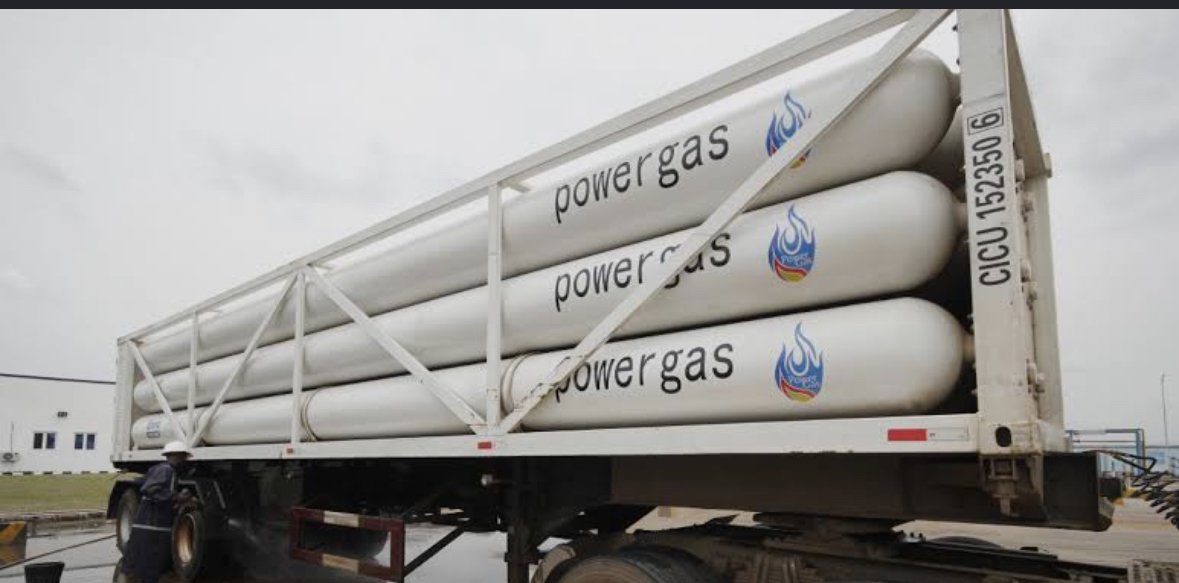
Transport unions and petroleum marketers have urged the Federal Government to address inadequate refuelling facilities, limited access to financing and unreliable gas supply, warning that these challenges are slowing the adoption of Compressed Natural Gas (CNG) across Nigeria.
The concerns were raised on Wednesday at the National CNG Adoption Conference in Abuja, where industry representatives called for urgent investment in infrastructure, affordable vehicle conversions, safety standards and local technical expertise.
The conference was coordinated by the Petroleum Products Retail Outlets Owners Association of Nigeria (PETROAN), the National Compressed Natural Gas Forum and other organisations, bringing together representatives of the petroleum and gas industry, labour unions, road transport groups and related sectors.
Participants examined regulatory barriers, infrastructure gaps and practical measures to make CNG a reliable and affordable alternative fuel for commercial transport operators and businesses.
Faruk Abdullahi, National Chairman of the National Compressed Natural Gas Forum, called for stronger collaboration among conversion centres, gas distributors, infrastructure developers, investors, labour organisations and professional associations.
He argued that Nigeria must move beyond public awareness campaigns and policy declarations to practical implementation, stressing that the country’s natural gas reserves would not automatically translate into widespread adoption.
According to Abdullahi, vehicle owners would only invest in CNG conversion if the fuel was readily available, affordable, safe and dependable.
He urged transport unions to educate their members, identify vehicles suitable for conversion, organise group conversion programmes and engage financial institutions to secure accessible funding.
Abdullahi added that the effectiveness of the CNG initiative should be assessed through the number of vehicles safely converted, savings recorded by operators, infrastructure delivered and investment attracted, rather than the number of conferences held.
₦3bn investment poses challenge for CNG stations
Stakeholders identified inadequate refuelling infrastructure as one of the most pressing barriers to Nigeria’s CNG transition. Citing figures from the Nigerian Upstream Petroleum Regulatory Commission (NUPRC), they raised concerns about congestion at existing stations, where large numbers of vehicles reportedly queue for refuelling.
They also disclosed that establishing a single CNG station requires an investment of more than ₦3 billion, calling on the government to introduce incentives that would encourage local investors to develop facilities in Nigeria instead of moving their capital to neighbouring countries.
Representatives of the Petroleum Tanker Drivers (PTD) organisation highlighted the shortage of operational refuelling points, particularly around Lagos, where queues can reportedly reach about 50 vehicles at some stations.
The group explained that most diesel engines currently used in tanker trucks cannot be converted to run on CNG. It added that acquiring a CNG-powered truck or engine could cost approximately ₦100 million, placing the technology beyond the reach of many transport operators.
The representatives described the existing network of 90 refuelling stations and 500 conversion facilities as inadequate for the number of trucks operating across the country. They called for more stations along coastal transport routes to improve access for commercial vehicles.
Transporters demand affordable loans, technical support
Beyond infrastructure, transport operators stressed the need for technology transfer and the development of local expertise to maintain converted vehicles.
They sought clarification on available financing programmes and their interest rates, noting that some imported trucks fitted with conversion kits had become unusable because of inadequate maintenance.
Participants also described the difficulties facing long-distance drivers, particularly on the Lagos–Abuja route, where refuelling options remain limited. They reported that queues at some Abuja stations can reach 250 vehicles or more, while other facilities remain underutilised.
The apparent imbalance between congestion at some locations and low activity at others raised questions about the distribution, accessibility and utilisation of existing CNG infrastructure.
Transport representatives further questioned why the sector lacked a dedicated banking institution comparable to the financing structures available to agriculture and industry.
They said the absence of specialised financing left transport operators dependent on commercial lenders, where high interest rates made the acquisition of CNG vehicles and related equipment more difficult.
Stakeholders seek coordinated investment and reliable gas supply
The conference participants acknowledged the removal of fuel subsidies as a major policy decision that had encouraged interest in alternative energy sources, including CNG, solar power and electricity.
However, they maintained that the transition would remain difficult without adequate infrastructure, accessible funding and investment in skilled personnel. They called for a comprehensive conference resolution outlining practical measures to overcome the identified obstacles.
Stakeholders also emphasised the importance of establishing clear commercial arrangements between gas suppliers and buyers. They argued that companies entering supply contracts must be prepared to receive agreed deliveries, warning that failure to honour such commitments could expose suppliers to significant financial losses.
They noted that gas storage facilities require substantial capital investment, while acknowledging the progress made by the Presidential Initiative on Compressed Natural Gas (Pi-CNG) in stimulating demand through the establishment of vehicle conversion facilities.
The discussions concluded with a call for simultaneous action on safety regulations, refuelling infrastructure, financing, local technical capacity and dependable gas supply chains.
Stakeholders maintained that addressing these issues together would be critical to making CNG a practical and cost-effective fuel option for millions of Nigerian transport operators and commercial businesses.