

Civil society organizations and telecommunications stakeholders have called for increased investment, stronger regulatory accountability and improved consumer protection in Nigeria’s telecommunications sector, stressing the need for reliable, affordable and accessible data services across the country.
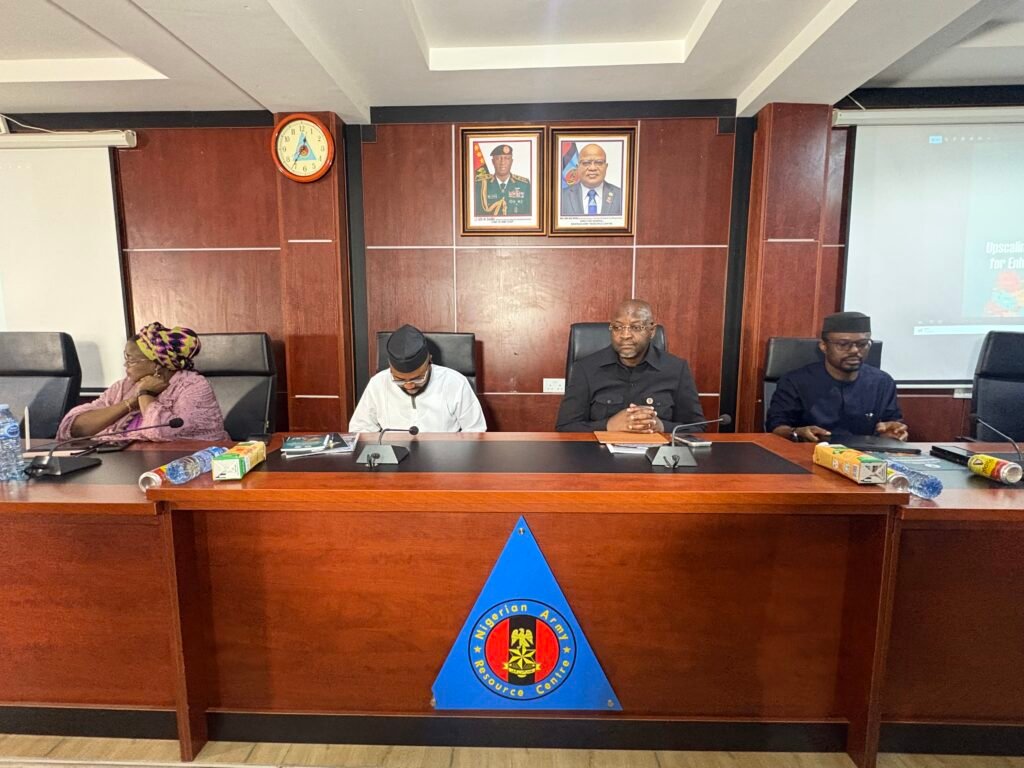
The call was made at the National Civil Society Dialogue on Telecommunications and Data Service Provision in Nigeria, where stakeholders examined challenges affecting telecommunications consumers and discussed measures to improve service delivery, data accessibility, network coverage and consumer rights.
The event commenced with the recognition of dignitaries, after which the moderator and host, Steven Ogedegbe, spoke on the purpose of the dialogue and emphasised the growing importance of telecommunications and data services in the country.
Ogedegbe noted that Nigeria has approximately 150 million internet subscribers and 220 million mobile lines, making the country one of Africa’s leading digital markets. He, however, stressed the need for wider coverage and availability, particularly for millions of Nigerians who remain without access to digital services.
According to him, civil society organisations have a responsibility to ensure that the country’s digital growth is inclusive, adding that data must be accessible, reliable and available to citizens while their rights are adequately protected.
The event proceeded with opening remarks from various civil society leaders and representatives, including Sunday Akin Dare, the presidential spokesperson, and the Vice Councilor, Nigerian Communications Commission, who was represented by Director Engineer Edoyemi Ogor.
The Special Adviser to President Bola Ahmed Tinubu and the Special Adviser on Media and Public Communication Mr. Sunday Akin Dare while speaking, emphasized the importance of civil society organizations in national development, noting that the media alone cannot address the challenges facing society.
He described telecommunications as a vital component of modern society and an important foundation for economic development, stressing that telecommunications and data services have become globally relevant requirements for nations.
He noted that reliable telecommunications services are important to farmers, small business owners and students who learn online, adding that degrees are increasingly acquired through online platforms. He also highlighted the growing relevance of telecommunications to educational technology, health technology, cloud infrastructure and artificial intelligence.
He called for more responsible and efficient customer service, noting that improved telecommunications services are necessary to promote smart agriculture, advanced logistics and new economic opportunities.
He further described the role of civil society as a unique responsibility and an important link between society and government, stressing the need for civil society organisations to continue constructive engagement with relevant institutions.
The dialogue also emphasised the importance of consumer perception in the telecommunications sector. Participants noted the complexity of Nigeria’s telecommunications environment and called for increased investment in the sector to address inadequate service and limited data availability.
Stakeholders stressed the need for a corporate balance between device providers and consumers, while noting that the Nigerian Communications Commission has developed telecommunications service goals aimed at addressing gaps in data supply and accelerating rural coverage and awareness.
It was further emphasised that Nigeria’s telecommunications sector requires greater accountability, investment and consumer advocacy, while regulators must remain vigilant and civil society organisations must continue to play a constructive role in protecting consumers.
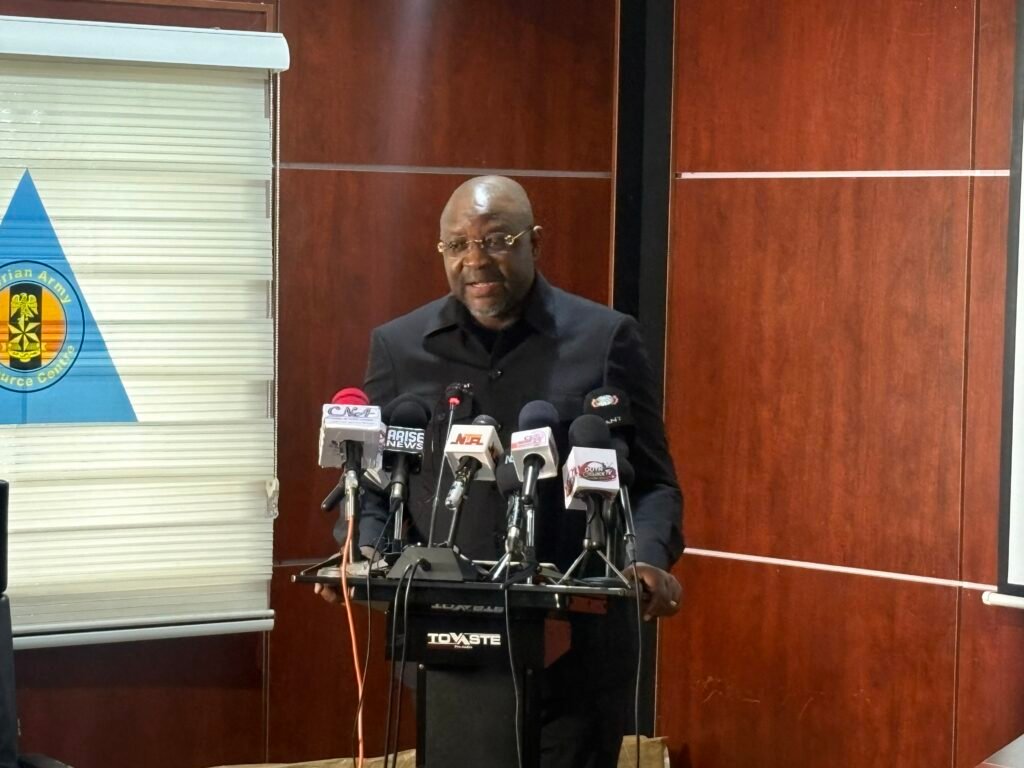
The event proceeded with remarks from the President, Civil Society Organization for Good Governance (CSGGG), Comrade Dominic Ogakwu, who declared that “data is life” in the current age.
Ogakwu expressed concern over challenges Nigerians face with data services, particularly the perception that data purchased under specific plans does not last according to the validity period stipulated by network providers.
He noted that the issue has become more significant in an era where Nigerians increasingly depend on data for artificial intelligence, online services, education, business and communication.
He called on the Nigerian Communications Commission to explain the measures being taken to address these concerns and provide appropriate solutions to consumers.
Ogakwu also called for telecommunications providers to be held accountable for poor service delivery, expressing disappointment that network providers did not attend the dialogue or send representatives to directly listen to and respond to the concerns of consumers.
He explained that the absence of service providers made it even more important for programmes such as the dialogue to continue providing platforms for consumers, civil society organisations and regulators to discuss challenges within the telecommunications sector.
The event concluded with a technical presentation by the Director Technical Standards and Network Integrity, NCC, Engr. Edoyemi Ogoh, who analysed the rising demand for data services in Nigeria.
Ogoh explained that three major components drive the performance of telecommunications networks: the environment, the regulatory rules governing the network, and the investment made to promote accessibility and versatility within a given environment.
He presented Nigeria’s 2025 monthly internet traffic figures, which he said had reached millions of terabytes, demonstrating the increasing demand for data services and the pressure placed on telecommunications infrastructure.
According to Ogoh, regulation is moving towards local accountability, with solutions increasingly centred on measures taken at the Local Government Area level.
He explained that quarterly reports and feedback would provide information on network maps, incidents and incident reports, while simpler tariffs and targeted audits would help create binding improvements and infrastructure remediation.
Ogoh further stated that qualifying service failures affecting consumers would attract automatic compensation, citing rollover plans as one of the measures available to consumers affected by qualifying service disruptions.
He also highlighted available channels through which consumers can monitor their data usage and lodge complaints. He referenced *305# as a code consumers can use to obtain information about how their data plan has been used, while *622# can be used to lodge complaints concerning networks such as MTN, Airtel and 9mobile.
The NCC official also explained that telecommunications accessibility differs from one location to another, adding that the transition to more advanced technologies and the increasing use of modern smartphones, including iPhones and 5G-enabled devices, have contributed to higher data consumption.
He stressed the importance of investment in telecommunications infrastructure, noting that increased investment and the creation of more networks could improve competition and potentially contribute to a reduction in data costs.
The discussion continued with questions from participants, which were addressed by the Deputy Director, NCC, Head Consumer and Education, Mrs. Mistura Aruwa.
Aruwa emphasised the importance of consumer awareness, particularly regarding how modern mobile devices and applications consume data.
She explained that the simultaneous use of applications such as banking applications, Netflix, websites and other services on mobile devices can contribute significantly to data consumption.
According to her, modern mobile devices are designed to perform multiple functions simultaneously, meaning that several applications and services may consume data in the background even when consumers are not actively using them.
She therefore stressed the need for increased awareness among consumers so they can better understand how their devices and applications use data and take appropriate steps to monitor their consumption.
The dialogue ended with stakeholders reiterating the need for greater accountability, sustained investment, stronger consumer advocacy, improved network infrastructure and more reliable data services.
Participants stressed that as Nigeria becomes increasingly dependent on digital technology, affordable and reliable telecommunications services have become essential to economic development, education, healthcare, agriculture, business and everyday communication.
They called on regulators to remain vigilant, telecommunications providers to improve accountability and service delivery, investors to increase investment in the sector, and civil society organisations to continue constructive advocacy for the protection of consumers’ rights.