

The National Association of Nigerian Students (NANS) has rejected former Vice-President Atiku Abubakar’s pledge to restore fuel subsidy if elected president, describing the proposal as a political response to the economic hardship currently confronting Nigerians.
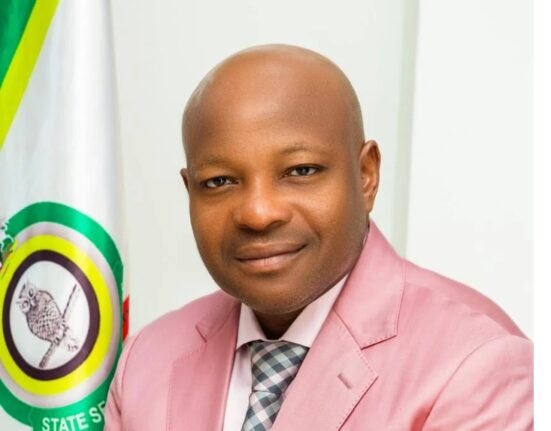
NANS President, Comrade Akinteye Babatunde Afeez, stated this in a statement issued on Wednesday, arguing that returning to the subsidy regime without addressing the structural weaknesses that made it unsustainable would amount to reversing a difficult but necessary economic reform.
Afeez acknowledged that the removal of fuel subsidy had imposed significant hardship on Nigerians, particularly through rising fuel, transportation and food prices. However, he maintained that the policy had also created fiscal space for government and removed what he described as a major distortion in the economy.
He said the critical question Nigerians should consider was whether the trillions of naira previously spent on petrol subsidy could have been better deployed to critical sectors such as infrastructure, healthcare and education.
“Every sane and patriotic citizen who is conversant with our nation’s economy will agree with me that the removal of the fuel subsidy was a difficult but necessary economic reform aimed at ending an increasingly unsustainable system that consumed trillions of naira, benefited higher fuel consumers disproportionately, encouraged smuggling, and constrained the government’s ability to invest in critical sectors,” he said.
The NANS president, however, stressed that the success of subsidy removal should not be measured solely by the savings accruing to government, but by how effectively the resources were deployed to improve citizens’ welfare.
He urged the government to ensure that the sacrifices made by Nigerians translated into tangible improvements in education, healthcare, infrastructure, agriculture and other critical sectors.
Afeez warned that restoring fuel subsidy without a comprehensive strategy to address the structural problems that undermined the previous regime would only recreate the challenges that led to its removal.
“This is why calls or promises for the outright return of subsidy, without a clear structural framework for addressing the fundamental weaknesses that made the policy unsustainable in the first place, amount to little more than a political response to a genuine economic challenge,” he said.
NANS urged Nigerians not to allow the immediate hardship associated with economic reforms to undermine the need for long-term restructuring, urging political aspirants to present sustainable economic policies rather than promises of temporary relief.
The students’ body also called on presidential aspirants to participate in national debates and present concrete economic blueprints capable of providing both immediate relief and a sustainable foundation for national development.
Afeez stressed that NANS’ position was not partisan, saying the association had a responsibility to scrutinise government policies and political promises in the national interest.
He argued that Nigeria could not afford to return to a system in which huge public resources were committed to fuel subsidy while states struggled to meet their financial obligations and critical infrastructure remained inadequate.
He therefore urged Atiku to reconsider his position on subsidy, saying the former vice-president should not support a policy which, in NANS’ assessment, imposed an unsustainable financial burden on the country.
“Every aspirant willing to rule Nigeria and not run or, perhaps, ruin her must come to national debates with clear and sustainable policies that do not just address the immediate needs or comfort of our people, but rather, policies that best shape our country and can stand the test of time,” Afeez said.