
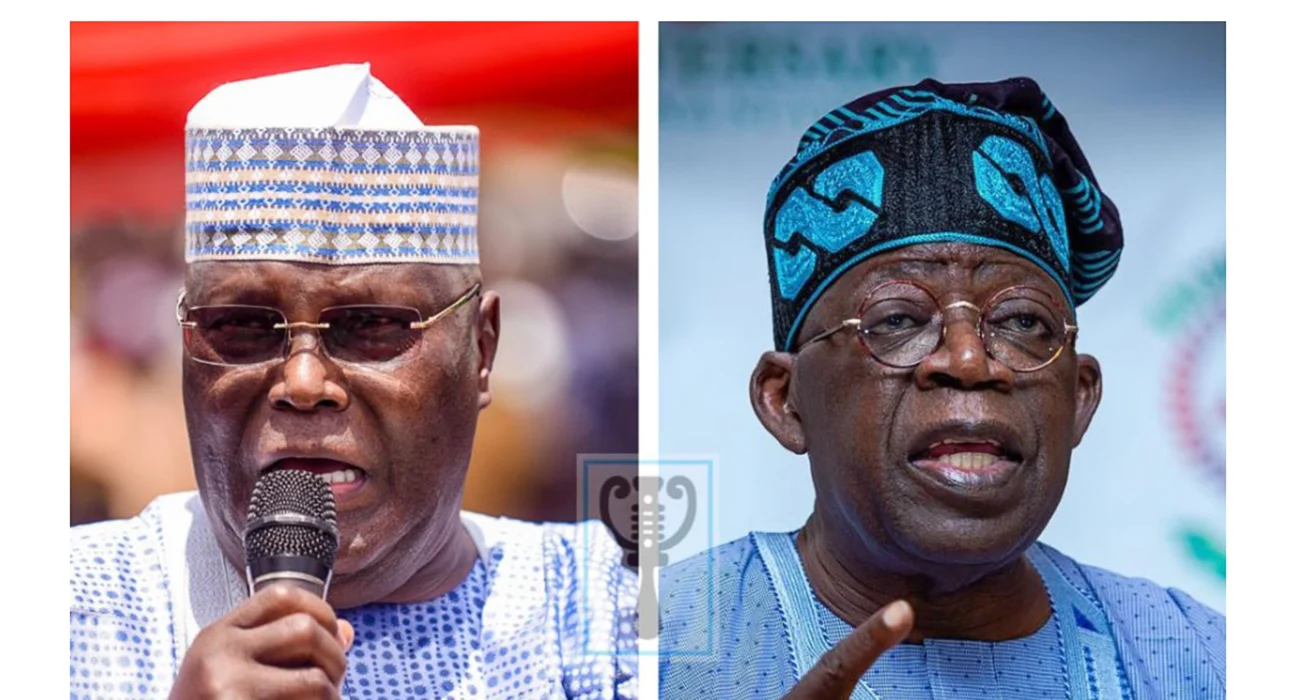
The camp of African Democratic Congress (ADC) presidential candidate Atiku Abubakar has criticised the economic direction of President Bola Tinubu’s administration, arguing that the government cannot celebrate economic gains while Nigerians continue to face worsening living conditions.
Atiku’s media aide, Paul Ibe, made the criticism in a statement posted on X on Thursday, following comments by Daniel Bwala, the President’s Special Adviser on Policy Communication, acknowledging that more Nigerians had fallen into poverty since the implementation of the administration’s economic reforms.
Ibe described Bwala’s remarks as an indictment of the government, arguing that the primary objective of economic policies should be to improve citizens’ welfare rather than impose prolonged hardship.
“Daniel Bwala’s admission that Tinubu’s economic reforms have pushed more Nigerians into poverty is revealing. It is an indictment of an administration that appears more concerned with defending its policies than protecting the people those policies are supposed to serve.
“Policies are made for man, not man for policies.The purpose of economic reform is to improve human welfare, not to impoverish citizens and then celebrate their suffering as a necessary sacrifice.
“If Tinubu’s policies have pushed more Nigerians into poverty, destroyed purchasing power, increased the cost of food, transportation and electricity, and undermined businesses, then those policies deserve urgent review, not endless propaganda.
“Tinubu cannot claim economic success while admitting that his policies have made more Nigerians poor. The ultimate measure of good governance is not how stubbornly a government defends its policies, but how positively those policies transform the lives of its citizens.
“Nigerians are not laboratory rats for Tinubu’s economic experiments. They deserve relief, dignity and a better life which Tinubu’s second term cannot guarantee. Indeed, Tinubu is primed to be an undertaker if handed a return mandate,” Ibe said.
Bwala had earlier acknowledged that the economic reforms resulted in more Nigerians falling into poverty but maintained that the country had recorded significant progress since the measures were introduced.
Speaking on Channels Television’s Politics Today, Bwala linked the increase in poverty to the difficult adjustment period associated with major economic reforms and argued that the administration had made progress despite the hardship.
The reforms introduced by the Tinubu administration include the removal of the petrol subsidy and changes to the foreign exchange system, measures that have been followed by increased costs across several areas of the economy.
While the Federal Government has defended the policies as necessary to address longstanding economic challenges and improve the country’s fiscal position, opposition figures have continued to question their impact on households, businesses and purchasing power.
Ibe’s reaction adds to the growing political debate over whether the administration’s economic reforms are translating into improved living conditions for Nigerians, particularly as political parties position themselves ahead of the 2027 presidential election.