
By Aishat M. Abisola
For the past few months, there has been an outbreak of Nipah virus South Asia with two confirmed cases in India and one in Bangladesh. According to the World Health Organisation (WHO), this is the seventh outbreak that has been documented in India and the third in West Bengal. This region experienced outbreaks in 2001 and 2007 in districts bordering Bangladesh and which now report outbreaks on a near annual basis. The virus can also be found in Malaysia, The Philippines, Singapore and India including outbreaks in Kerala in Southern India since 2018.
Although Nipah virus have been detected in bat species across Asia, Ghana and Madagascar, human outbreaks have yet to occur outside of the South and South-East Asian region. Human outbreaks have only been identified in those region, usually in rural or semi-rural locations.
What Is Nipah Virus?
Nipah virus is an infectious zoonotic virus (it spreads from animals to humans) which causes regular outbreaks in some Asian regions. This virus is also transmitted through contaminated food or directly from human to human. Nipah virus was first identified in 1999 during an outbreak among pig farmers in Malaysia and Singapore.
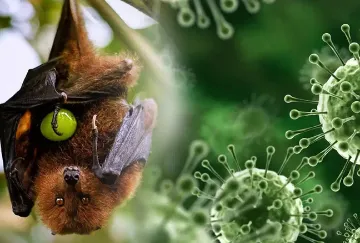
This virus is usually found in fruit bats, particularly those of the Pteropus genus, but there is evidence that the virus can infect other animals, such as pigs, horse, sheep, dogs, cats, cows, and goats.
Symptoms And Transmission
The incubation period for the virus usually lasts between 4 to 21 days, although longer periods of time have been observed as well. Symptoms of the virus typically begin with the immediate onset of non-specific flu-like illness or fever. Respiratory problems such as pneumonia could also occur.
The most serious complications are either encephalitis (brain inflammation) or meningitis, which develops between 3 to 21 days after the initial illness. This is the telltale sign of a Nipah infection and can be associated with a very high mortality rate.
Approximately 40 to 75% of people infected with Nipah virus will die while some survivors might be left with lasting neurological problems such as constant seizures and personality changes. In rare cases, the virus will reactivate months or even years after the initial infection.
Despite human infections occurring from direct contact with an infected animal and their bodily fluids, many infections stem from the consumption of either fruits or fruit products (such as raw or partially fermented date palm juice) that have been contaminated with the poo, urine or saliva of infected fruit bats.
It also possible for the virus to spread person-to-person through close contact with an infected person or their body fluids. This has been documented in Bangladesh and India, with cases occurring among family members and close contacts caring for infected patients. Individuals experiencing respiratory symptoms pose as transmission risks.
Treatment and Prevention Methods for Nipah Virus
There are currently no proven specific treatment methods for Nipah virus infection and no preventative vaccines have been licensed for use. Treatment has been limited to provide those with severe infections with intensive support care.
As of now, there are several experimental therapies in development or in early clinical trials, including monoclonal antibodies, fusion inhibitors, and novel antivirals. The World Health Organization lists the virus as an epidemic threat in need of urgent research and development action, including vaccine development.
How Does This Affect Nigerians?
Whether it is for medical treatment or business, many Nigerians travel abroad for many reasons and India is one of their frequent destinations. Citizens from other African countries such as Kenya also travel to India but Nigeria is the main focus.
Northern Nigeria, in particular, faces a potential outbreak of the Nipah virus as a result of the informal and extensive nature of its livestock industry, however no confirmed cases have been reported. Due to the high case fatality ratio of 40% to 75%, it is vital to place emphasis on prevention.
Areas such as Kano, Kaduna, and Sokoto are significant livestock hubs as overcrowding and poor hygiene could facilitate cross-species interactions that have a high possibility of causing a viral spillover. Furthermore, the movement of animals across state borders increases the risk of transmission.
Nigeria’s healthcare system which experiences the regular strain of Lassa fever and mpox outbreaks, does not have the necessary diagnostic capabilities for henipavirus (a group of viruses including Nipah virus) detection. The lack of these capabilities hinders timely responses to a potential Nipah virus outbreak, thereby allowing widespread transmission before containment can be established.
How To Prevent Nipah Virus From Spreading
If you live or are travelling to an area or region that is endemic to Nipah virus, focuses on avoiding exposure to the disease by:
Improve monitoring of bats and pigs.
Avoid consuming raw or improperly fermented date products – if you want to drink date palm juice, make sure it has been properly boiled.
Enforce strict animal quarantine protocols.
Wash all the fruits you buy properly with clean water and peel them before eating.
Increase public education awareness campaigns on safe food handling and hygiene practices.
Do not eat fruit that was found on the ground or fruits that has bite marks.
Improve management of market waste and species segregation.
Ensure that you wear protective clothing and gloves when caring for sick animals and during the slaughter procedure.
Constantly practice good hand hygiene, especially if you care for or visit sick people.
Abstain from close and unprotected contact with Nipah virus patients, particularly their blood or body fluids.
Train medical personnel and officials on how to recognize early signs of illness in animals.
If you are in a healthcare setting, maintain strict disease prevention and control measures, especially with contact, droplet and airborne precautions for both suspected and confirmed patients.
Conclusion
With the constant outbreaks of endemic and non-endemic diseases, many countries need to be on the lookout and Nigeria is no exception. Nigeria faces constant diseases outbreaks and the healthcare system might not be properly equipped to deal with the Nipah virus despite how it fared during the COVID-19 pandemic.
As a result, the Federal Government and the Ministry of Health need to ensure that Nigerians do not need to worry about yet another disease outbreak, especially one that is not native to Nigeria again. If the surveillance and regulation the current methods of livestock transportation are strengthened, the Nigerian government could prevent the risk of a Nipah virus outbreak before it begins and causes a public health emergency.